

Private visit by the Head of State to the Felvidék
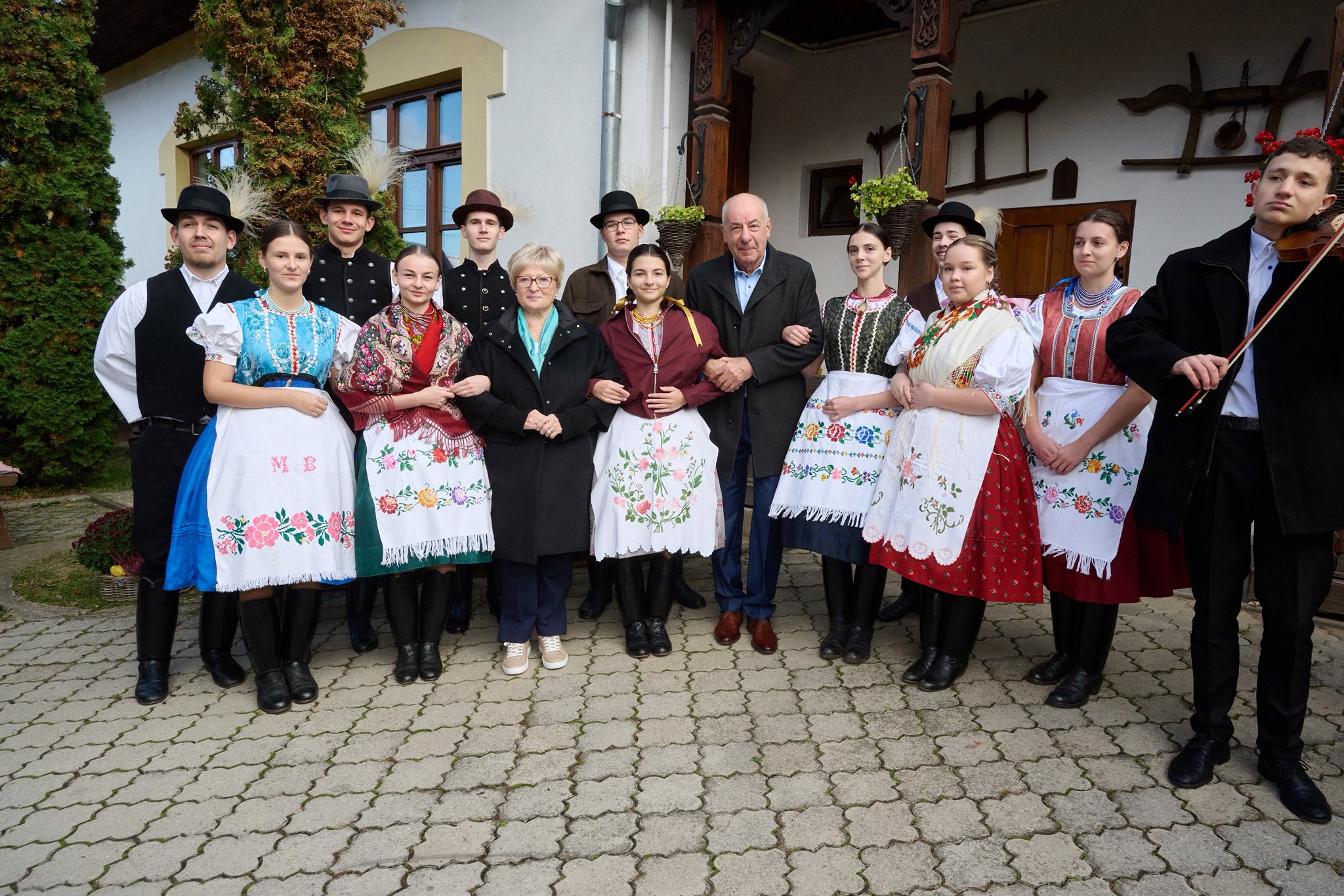
During his private visit to the Felvidék, President Tamás Sulyok visited Révkomárom and then Dunaszerdahely.
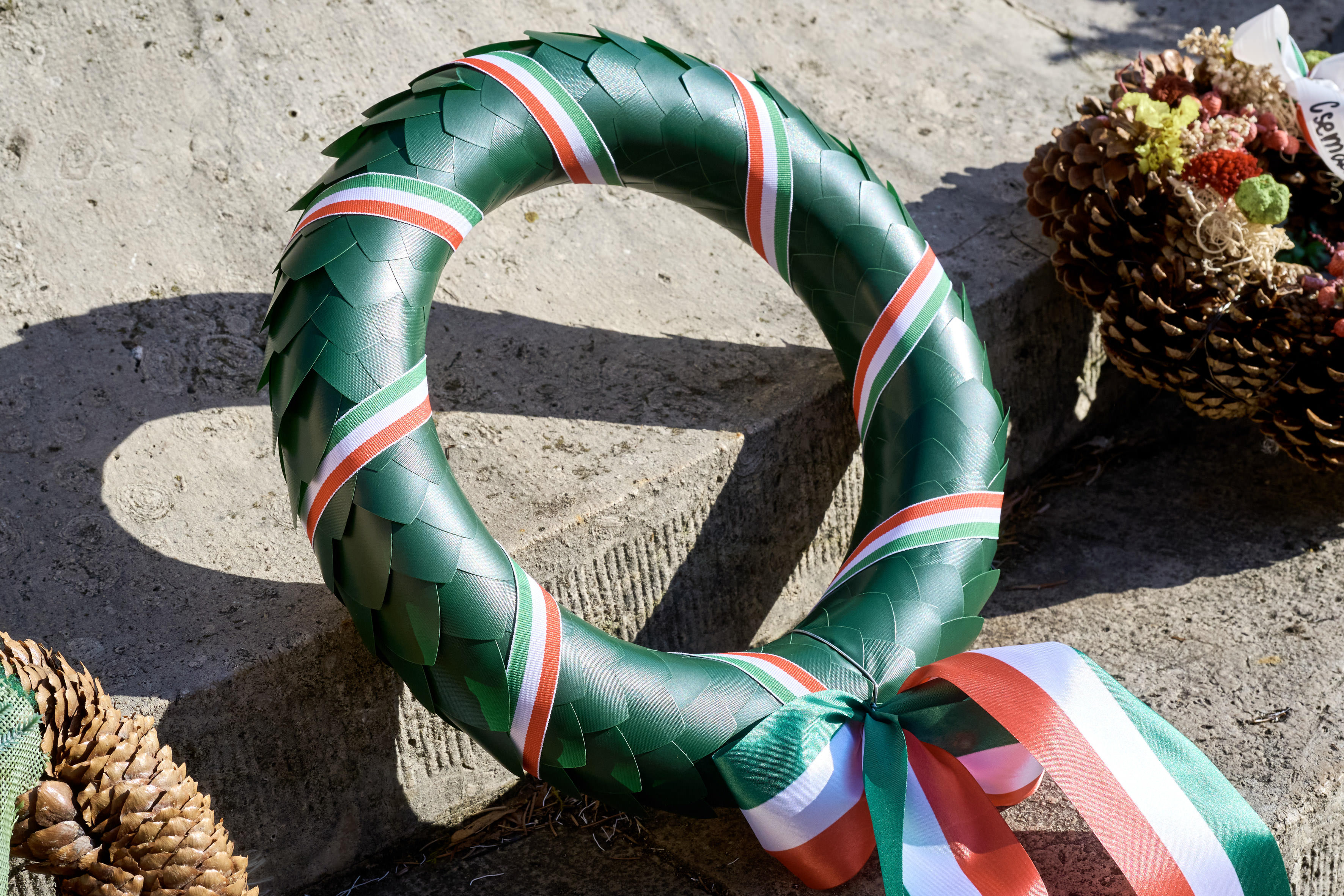
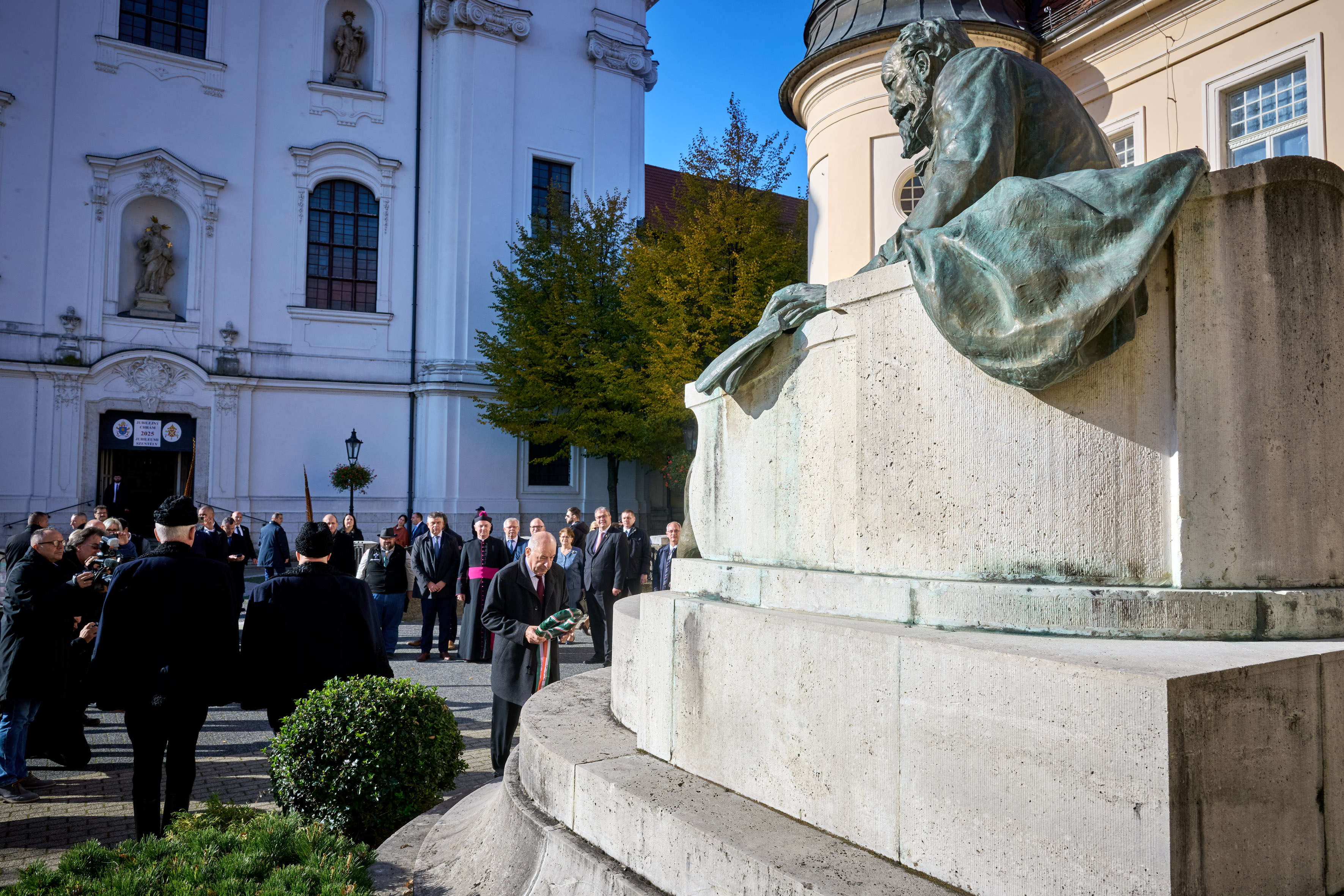
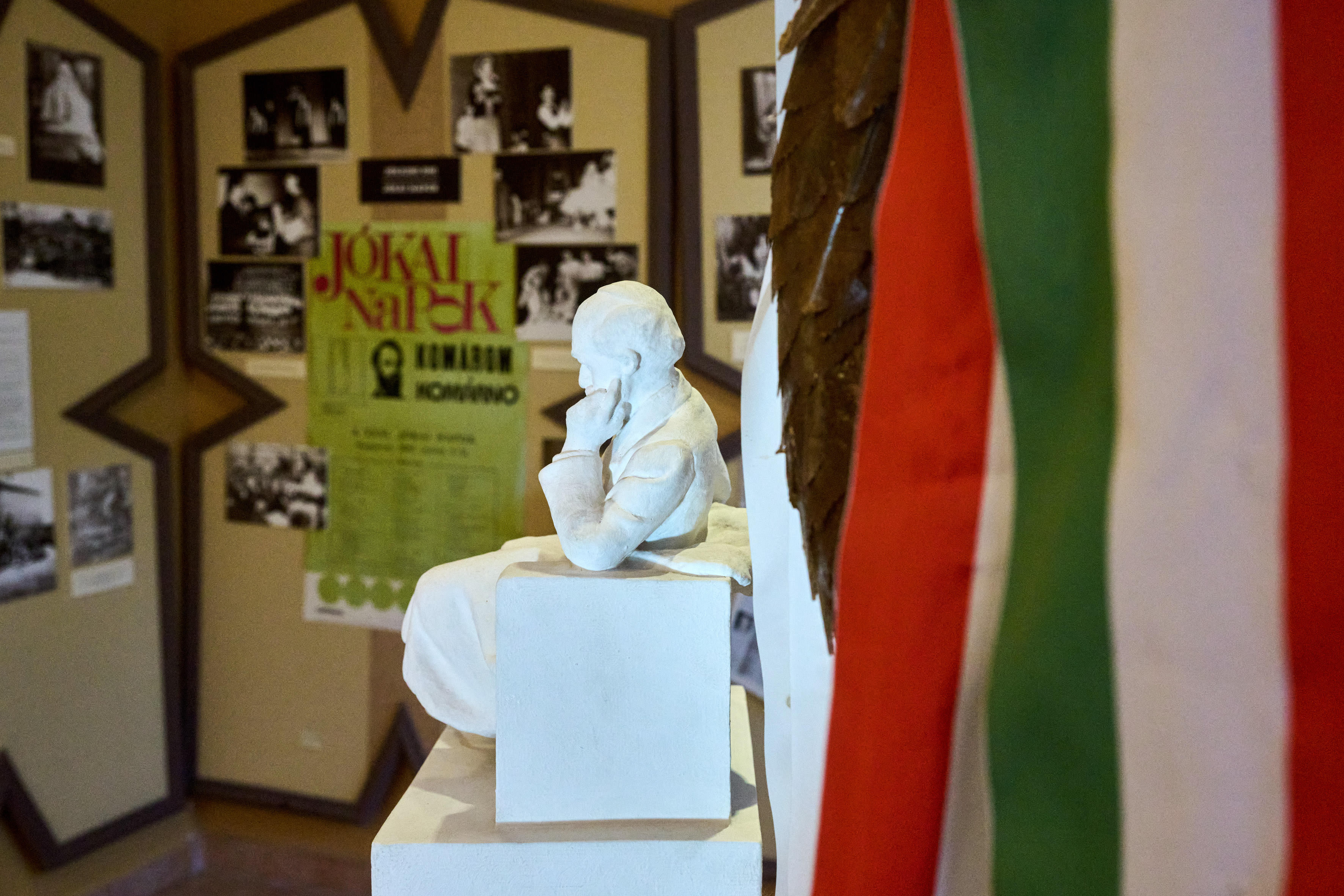
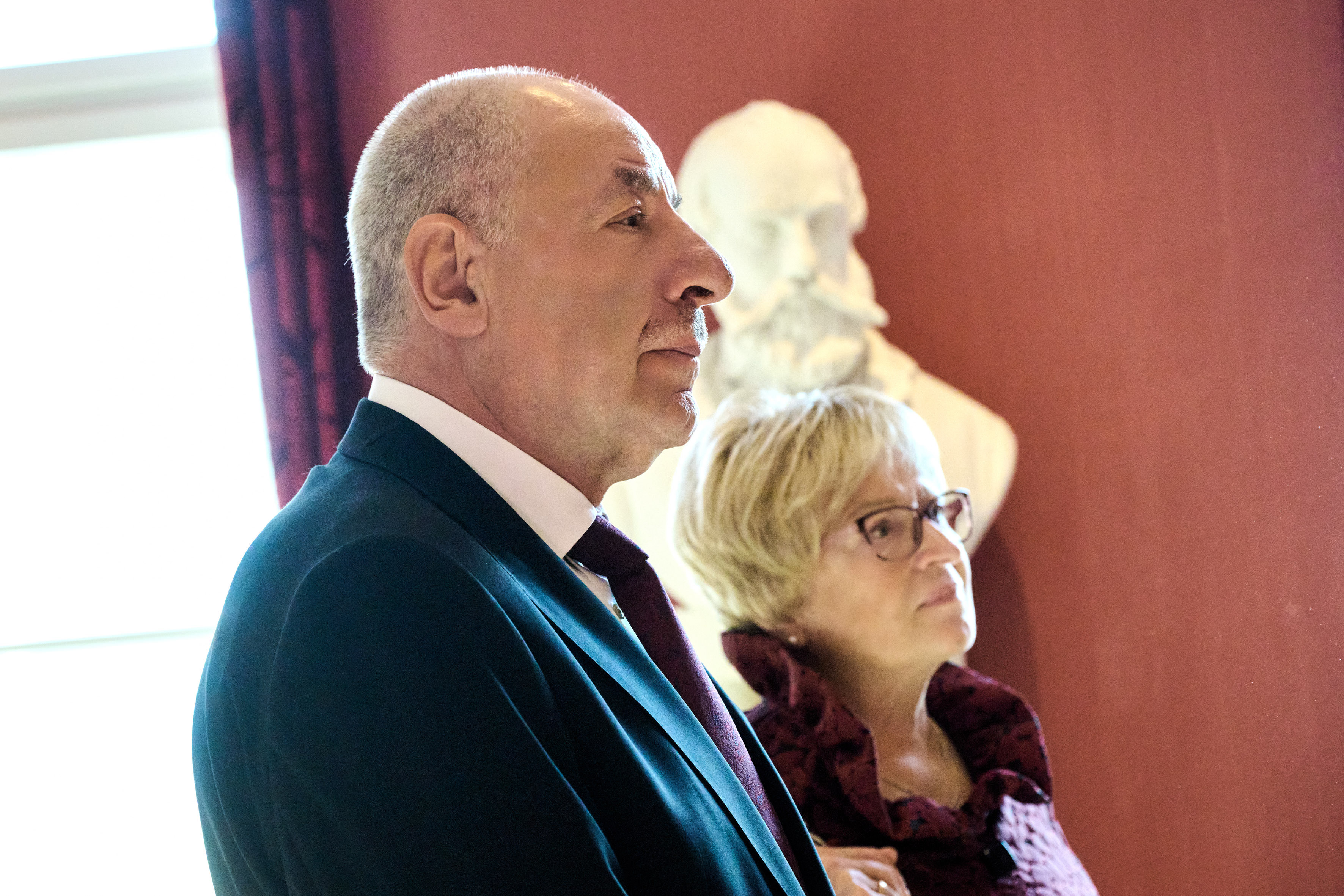
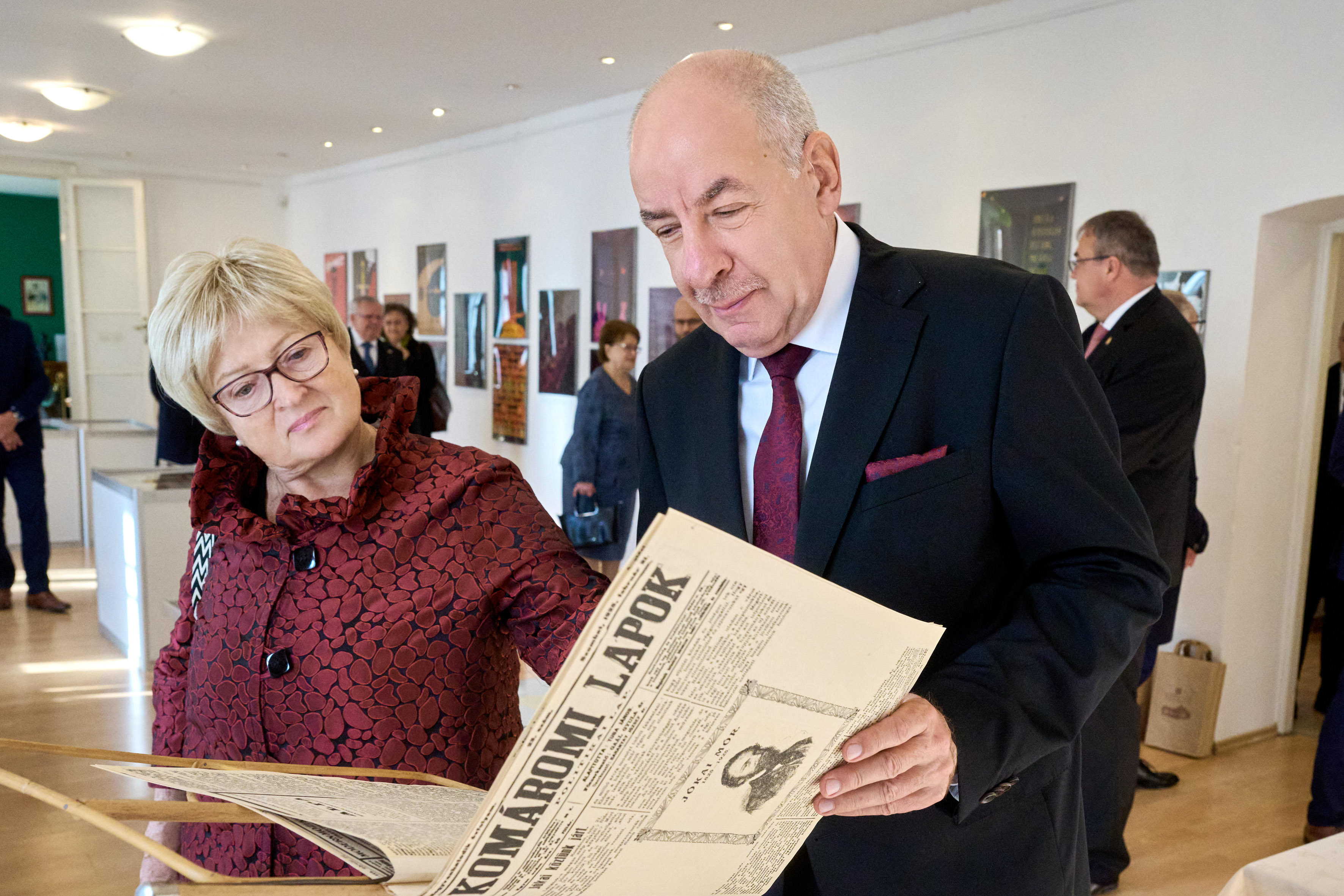
At the Zichy Palace in Révkomárom, the Head of State and the First Lady viewed the permanent exhibition dedicated to Mór Jókai and the temporary exhibition opened on the occasion of the 200th anniversary of Jókai's birth. The President then laid a wreath of remembrance at the author's statue.
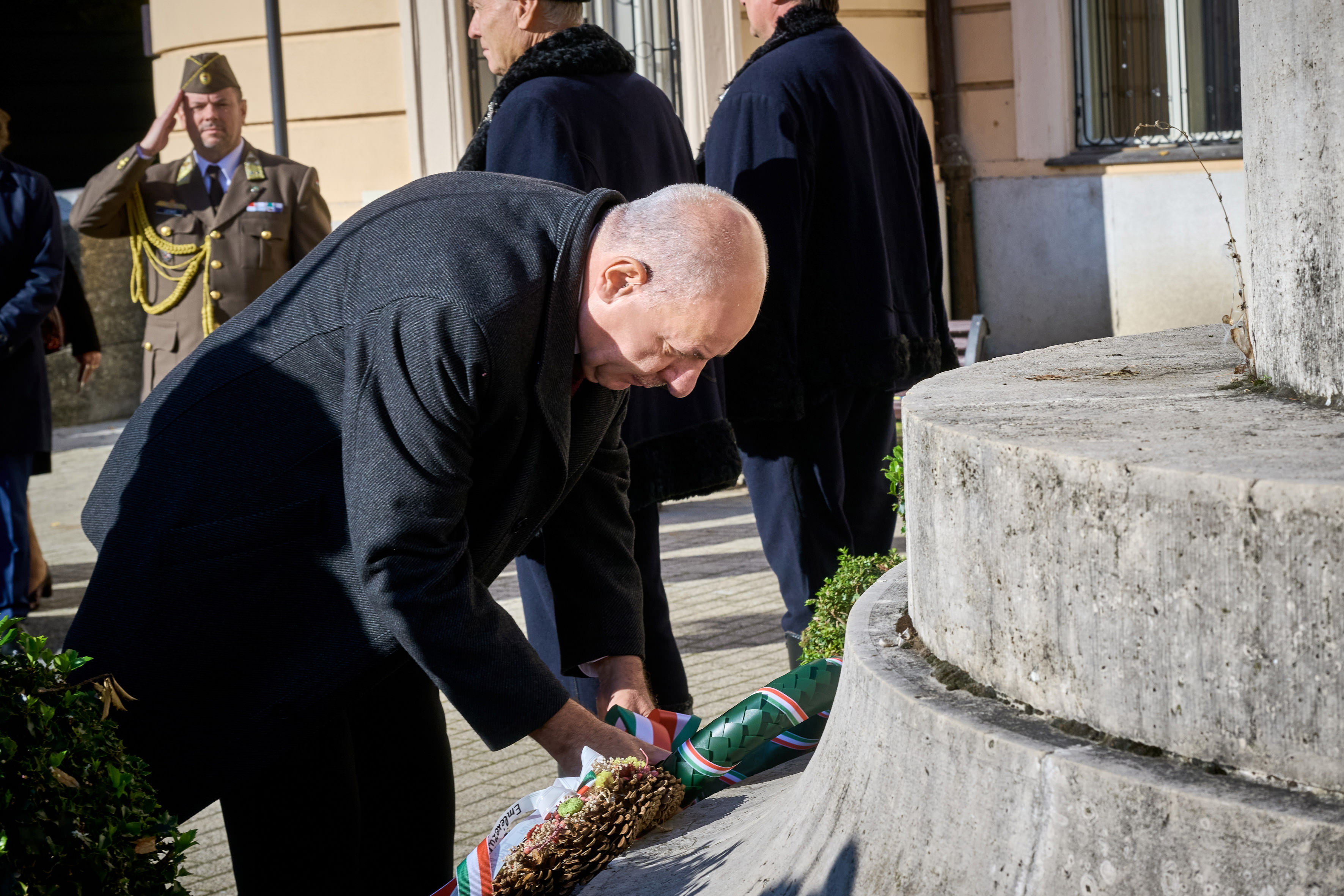
After visiting St. Andrew's Basilica, the President laid a wreath at the statue of lawyer Károly Szladits. The legal scholar, who was born in Dunaszerdahely, was a member of the Hungarian Academy of Sciences. The collection entitled Hungarian Private Law constitutes an outstanding scholarly achievement by the author.
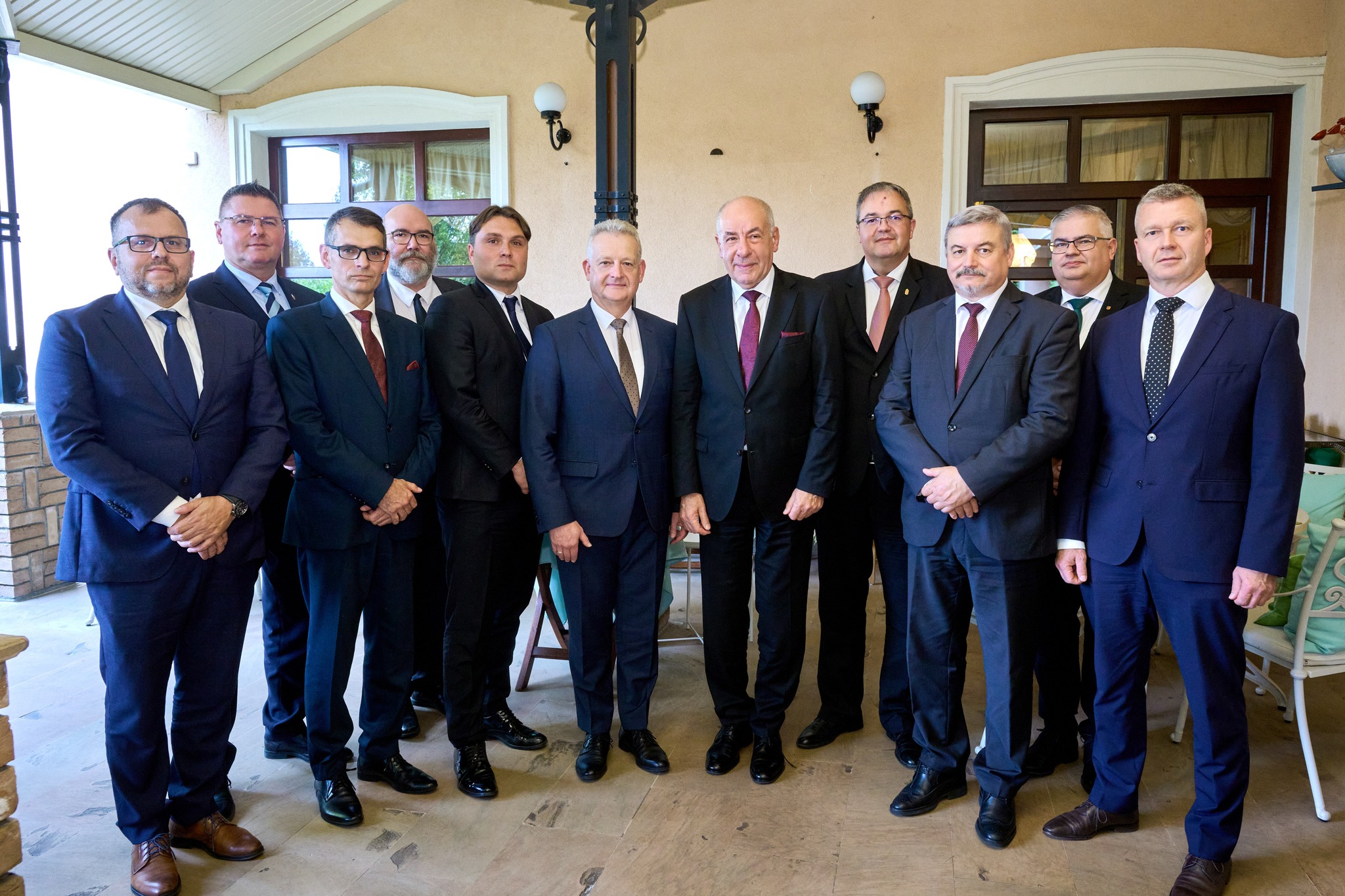
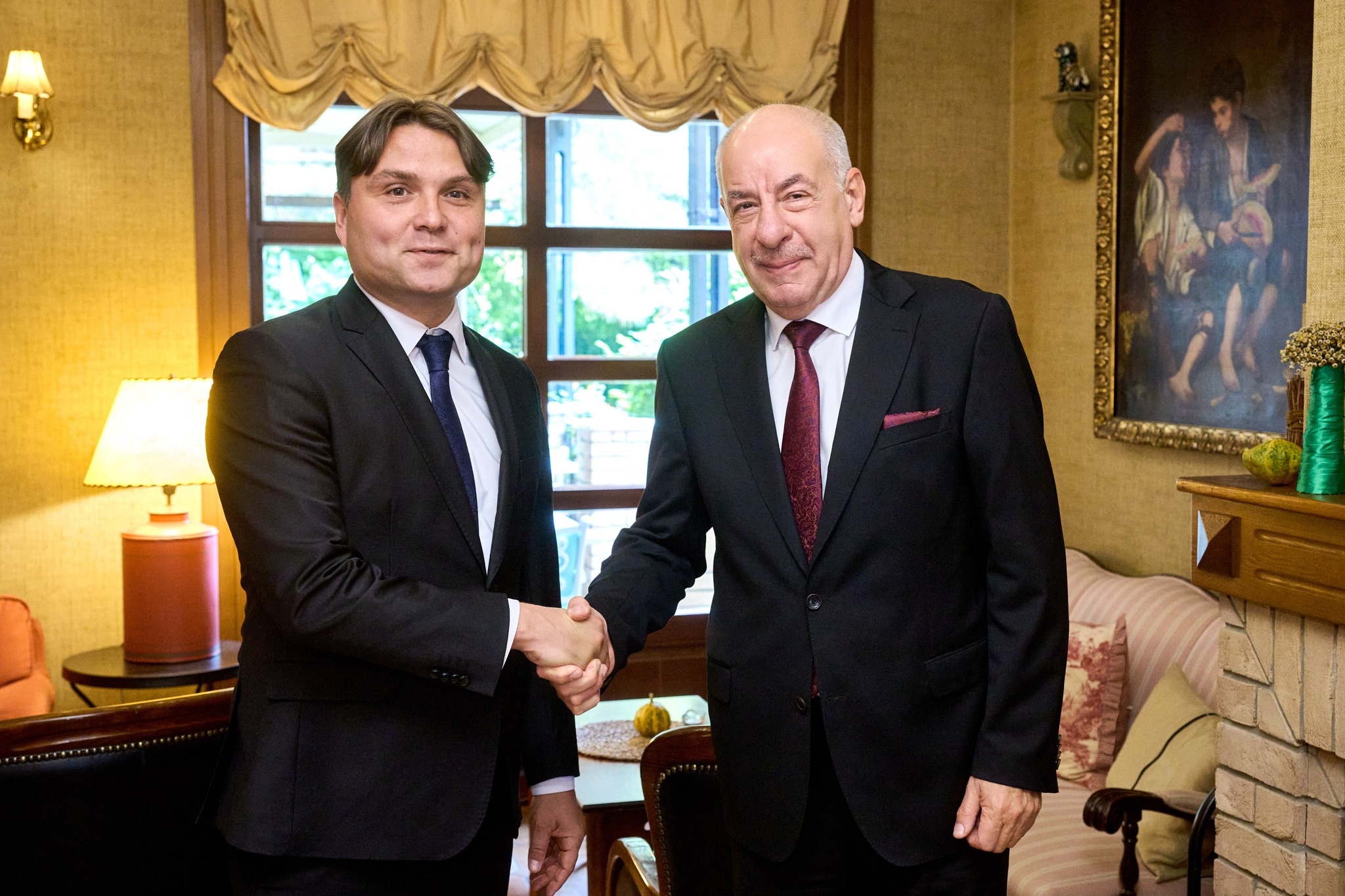
Dr. Tamás Sulyok met and held talks with László Gubík, President of the Hungarian Association, and the leaders of the organisation.
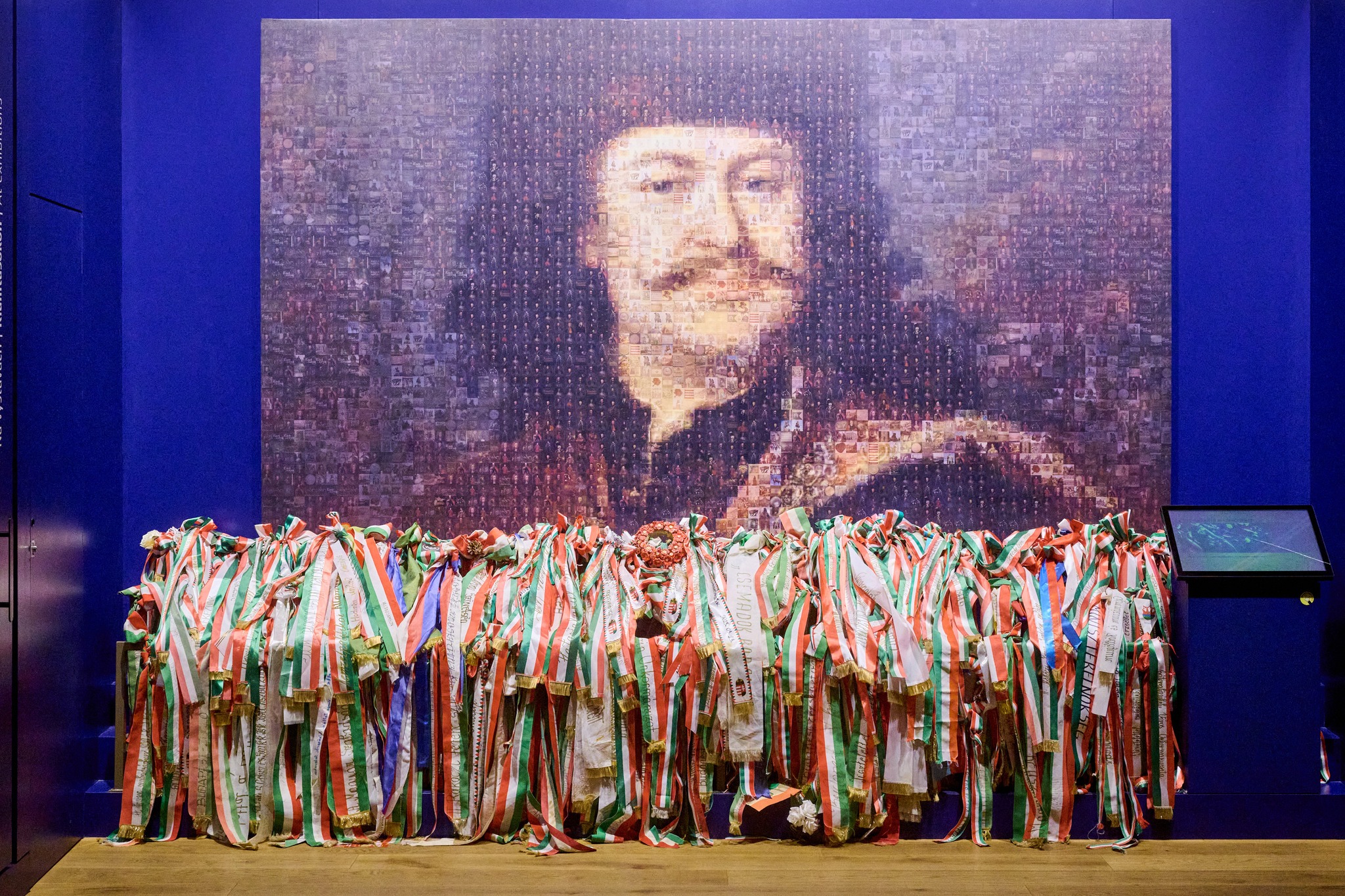
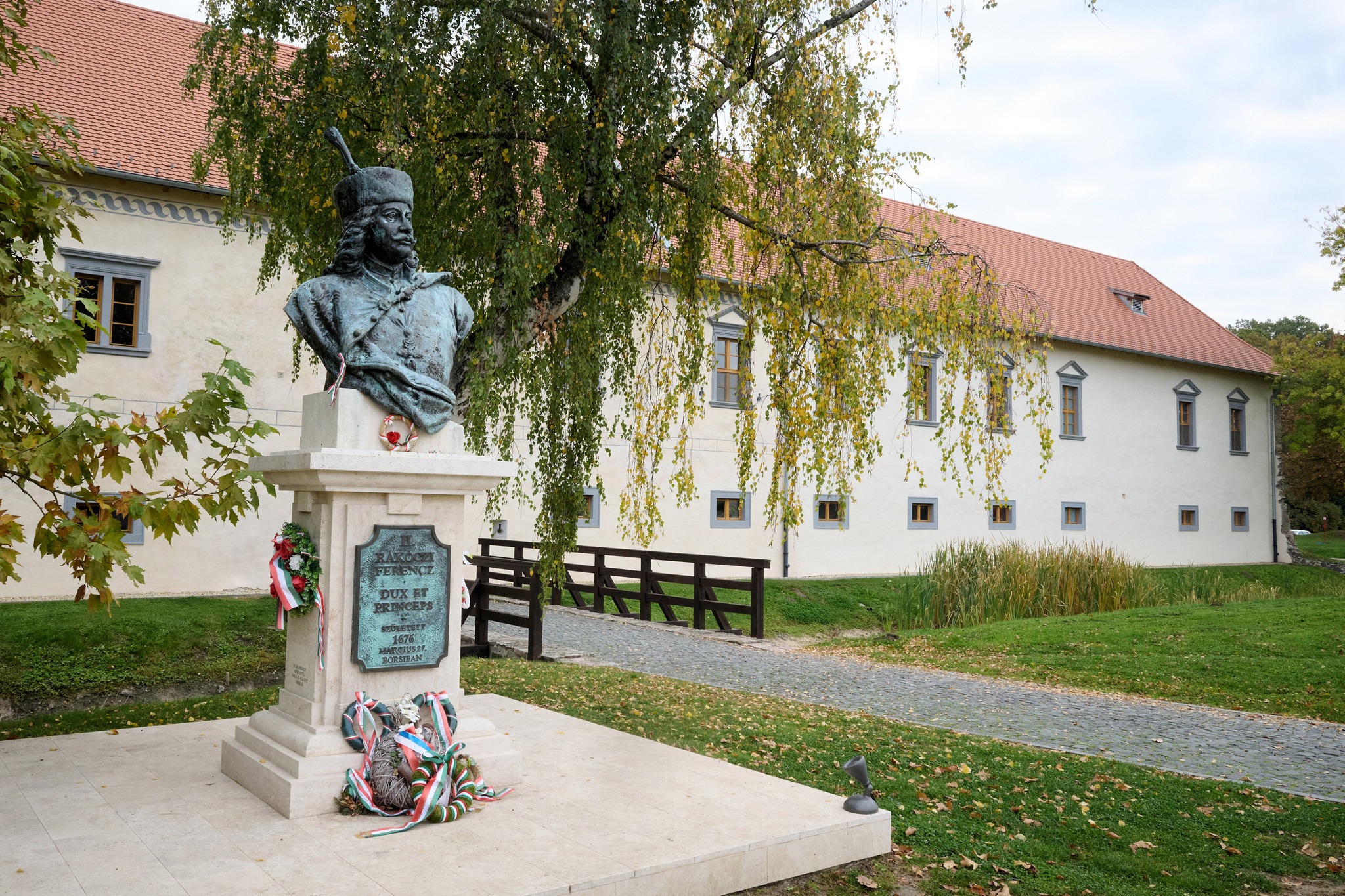
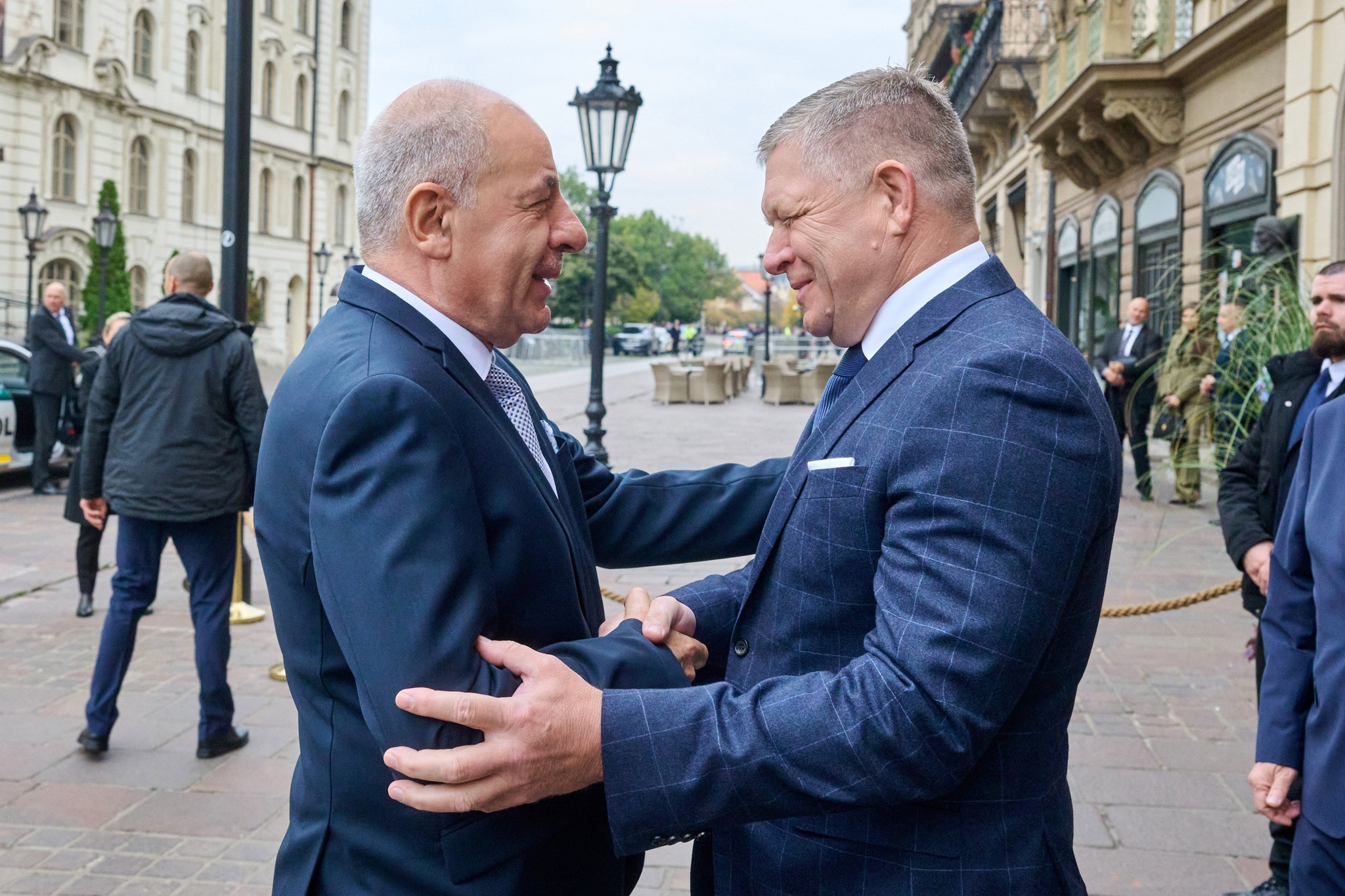
During his private visit to the Felvidék, the Head of State also visited Borsi, where he and the First Lady viewed the Rákóczi Castle and an exhibition supplemented with interactive elements presenting the life and times of Ferenc Rákóczi II. The President of Hungary then held talks with Slovak Prime Minister Robert Fico in Kassa on the situation of Hungarians in Slovakia and the pro-peace stance shared by both countries.
The Head of State and the Slovak Prime Minister agreed that Hungary and Slovakia are neighbours, partners, share the same historical fate and, last but not least, are friends.
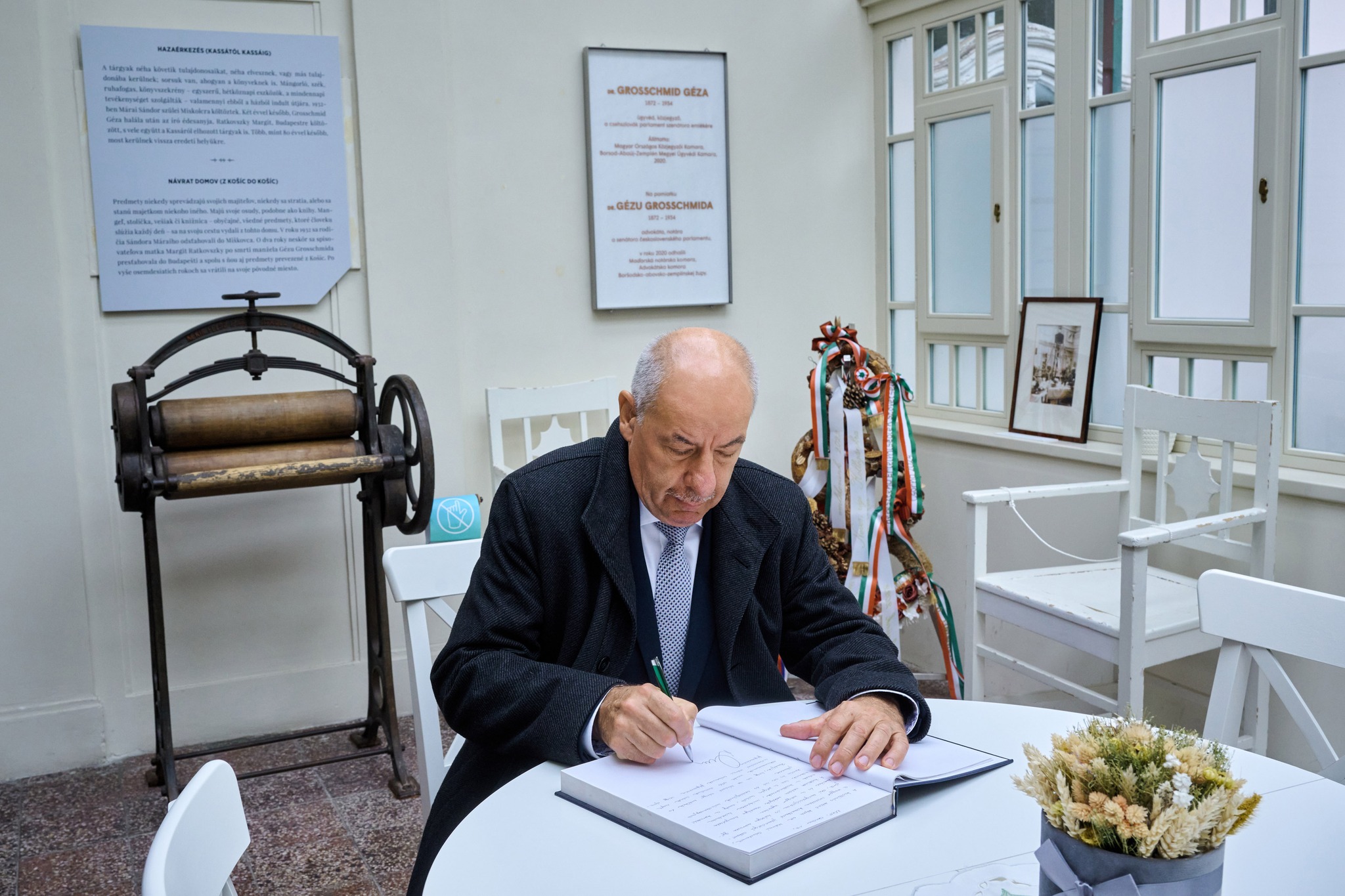
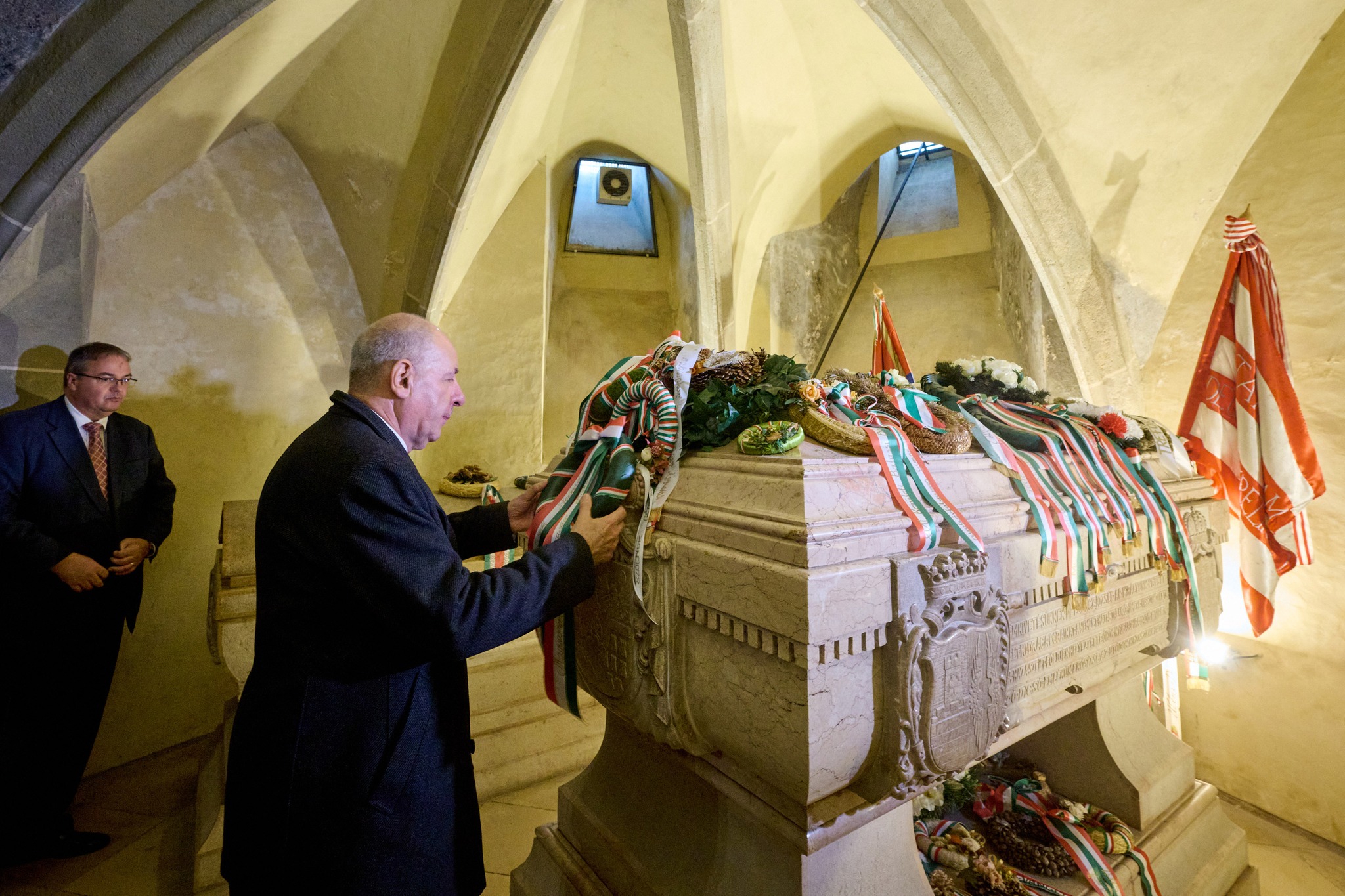
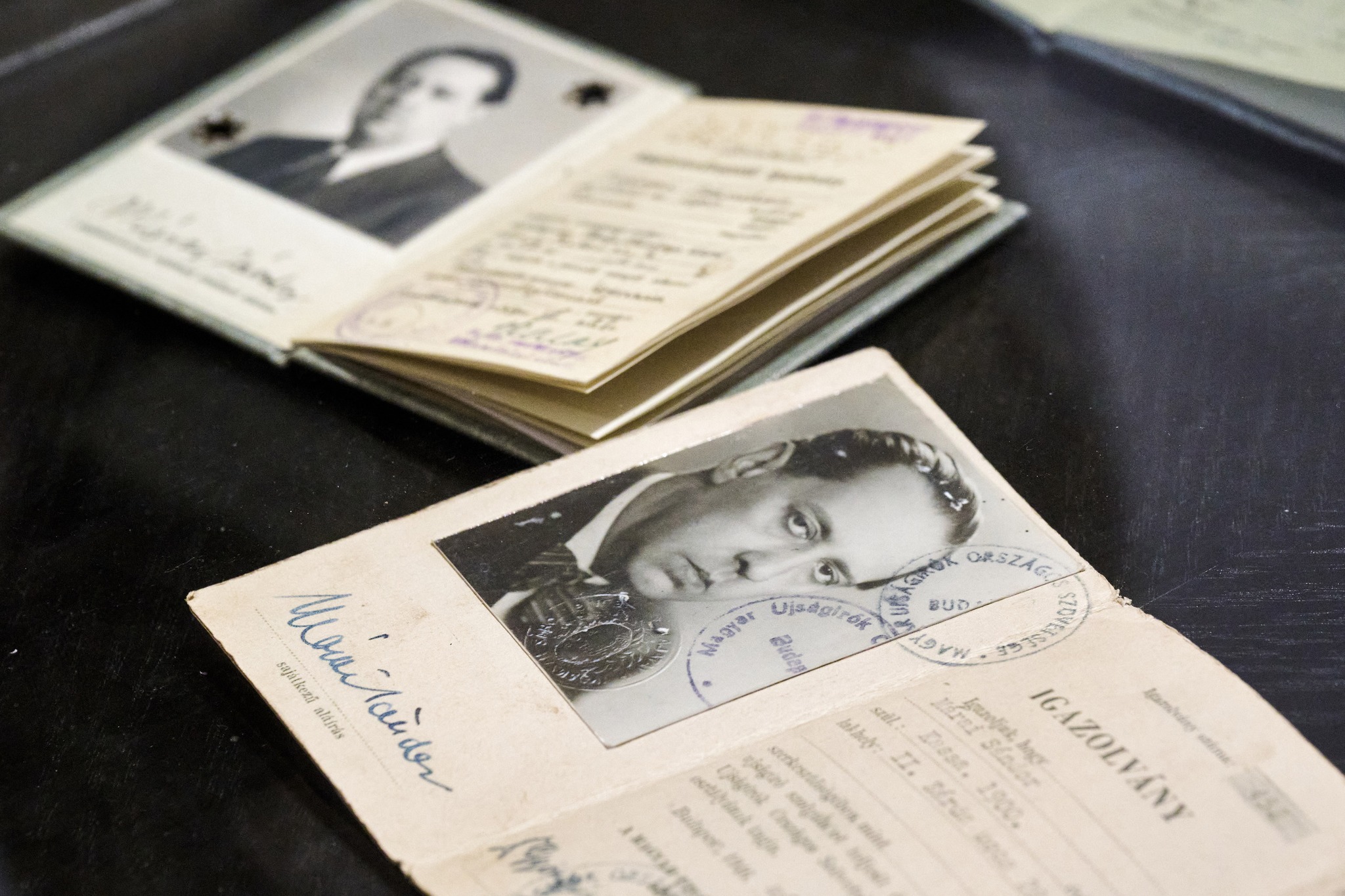
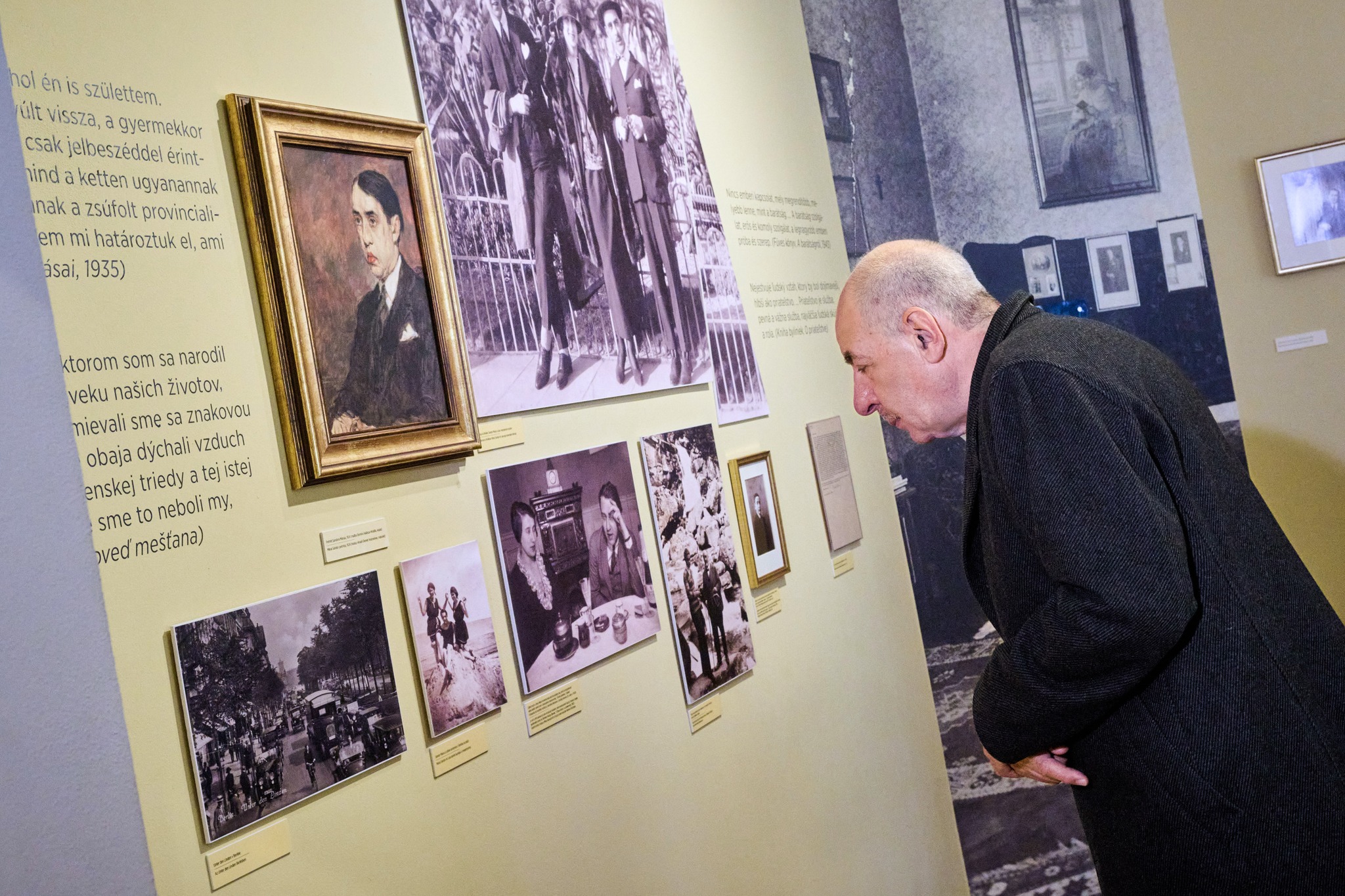
After the meeting, Dr. Tamás Sulyok visited the Sándor Márai Memorial Exhibition, followed by a visit to St. Elizabeth's Cathedral, where he laid a wreath in the crypt of the church at the tomb of Prince Ferenc Rákóczi II.
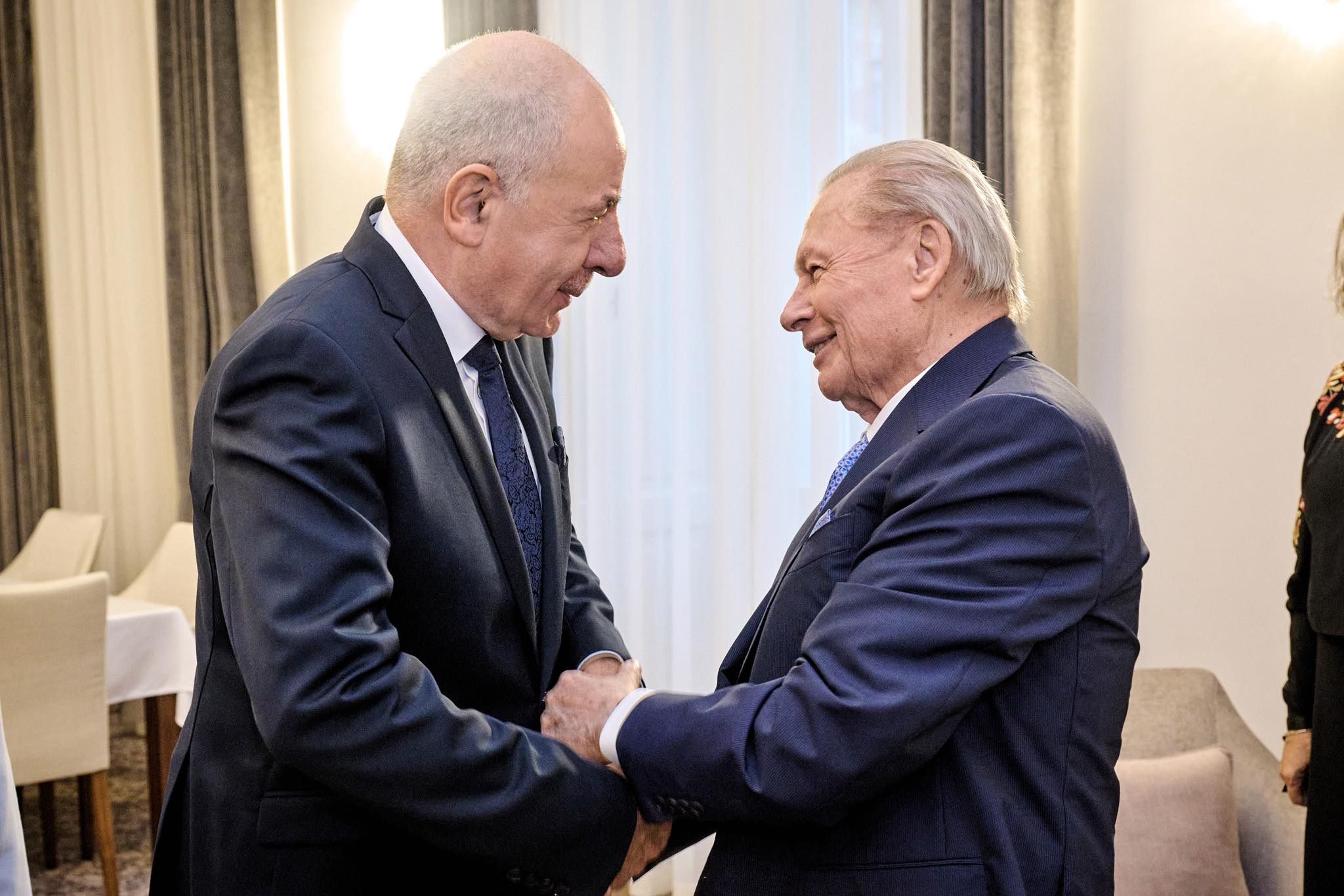
The Hungarian Head of State also visited the Premonstratensian Holy Trinity Church in Kassa, regarded as the "Church of the Hungarians," and subsequently met with the second President of the Republic of Slovakia, Rudolf Schuster, a famous native of Kassa.
The President attended a reception held on the occasion of Hungary’s national holiday at the Hungarian Consulate General in Kassa, where he said in his speech that the revolution and the subsequent war of independence were about the fearless Lads of Pest, the working-class youth and the university students who raised their heads and joined forces against the injustice and inhumanity of the dictatorship.
"They stood up to the tanks and the communist regime that maintained torture chambers and camps for political prisoners and oppressed its citizens," said the President of Hungary, adding that this stand cost many their lives.
He recalled that in the autumn of 1956, everyone was watching Hungary and listening to the news coming from our country. He also drew attention to the work of Sándor Márai, a resident of Kassa, who regularly informed listeners about events on Radio Free Europe in Munich, "breaking news hot-off-the-airwaves ".
In his speech, the President of Hungary said that in 1956, nearly 2,700 of our compatriots were killed, and some 200,000 fled the country. In his view, the Revolution and War of Independence that claimed so many lives was a struggle "that we, their descendants, must win together, in peace and with respect for them and for the sacrifices made by the freedom fighters."
"Since then, the 1956 War of Independence has taught us that human dignity also includes national dignity," the President said. "For us, here and now, the dignity of Hungarians and Slovaks is of great significance. Both presuppose each other. Our European ideal is an ideal of citizenship based on the principles of equality, freedom and brotherhood," said Tamás Sulyok.
The President then concluded that "we must respect both our own culture and that of the other nation, our mother tongue and everything that belongs to the sacred circle of human dignity” .
According to President Sulyok, the ancient languages of the peoples of the region do not divide, rather they serve as bridges, and give the national communities dignity and enhance their identity. These languages are legacies, treasures and carriers of spiritual and intellectual values that make this region diverse and preserve its unique character and deep, inner identity, Tamás Sulyok emphasised in his speech.