


Hungarian history and Hungarian future in Cleveland
The programme for President Tamás Sulyok’s visit to the United States focused on the nation’s cultural heritage, strengthening Diaspora communities, and nurturing Hungarian identity and historical memory.
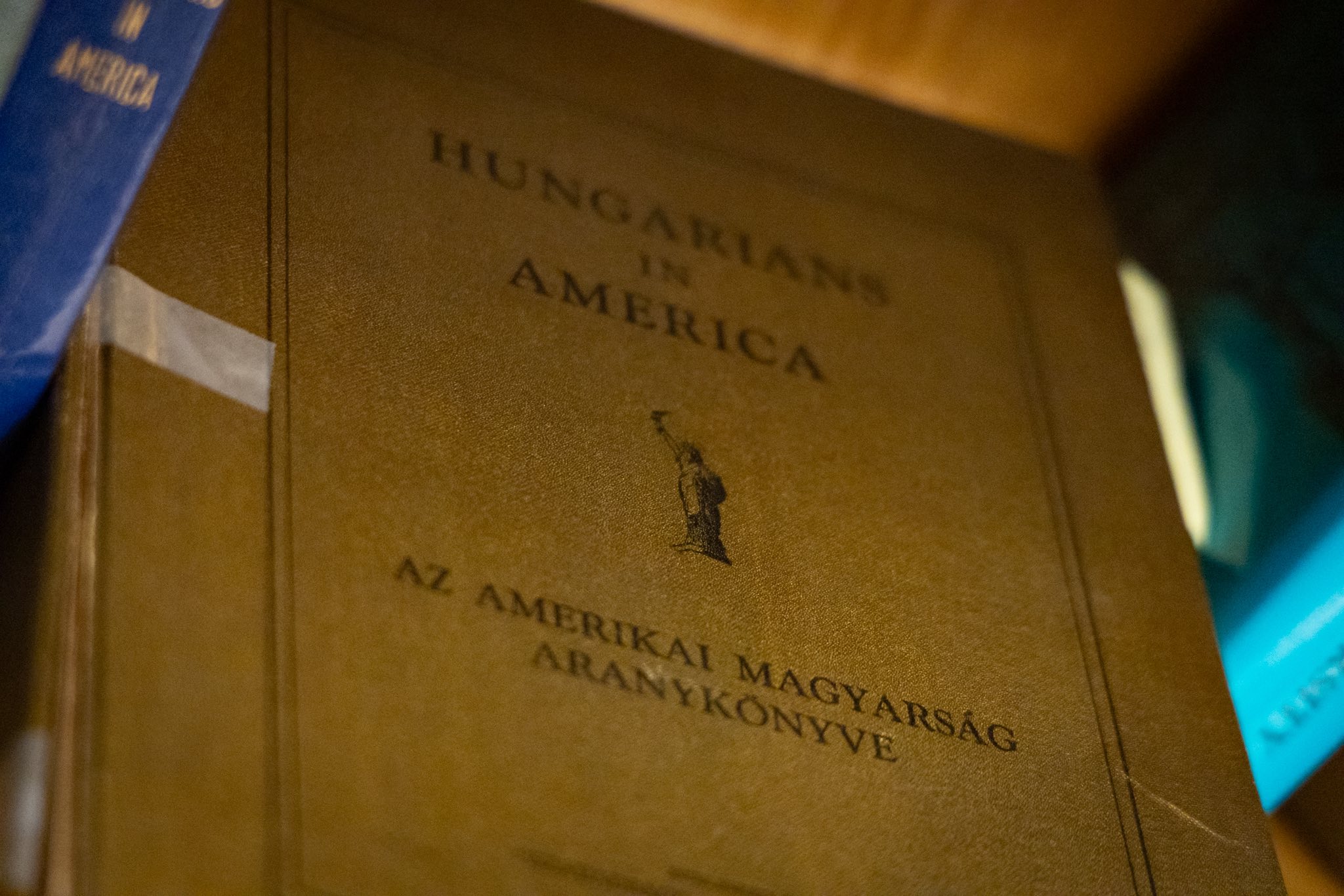
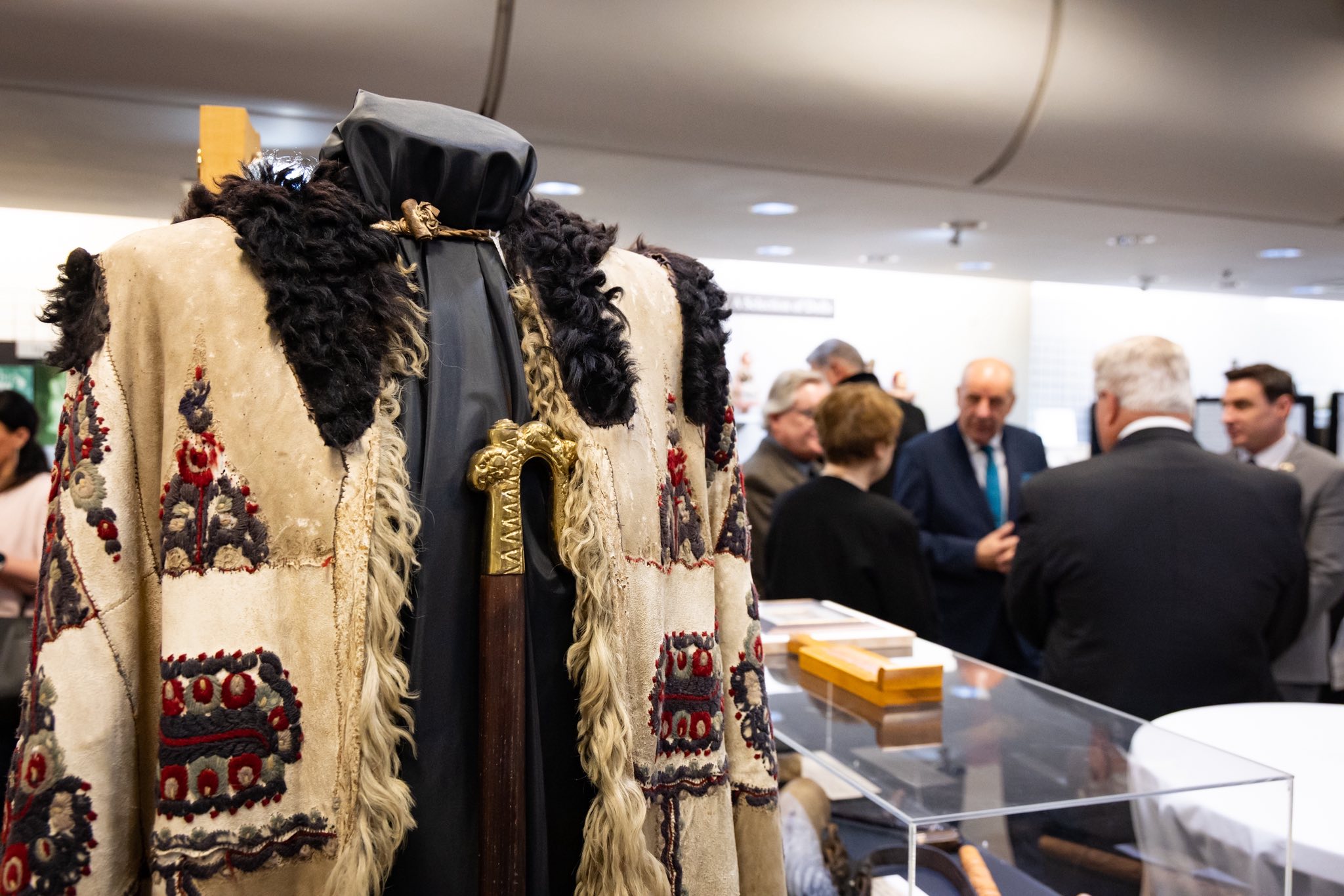
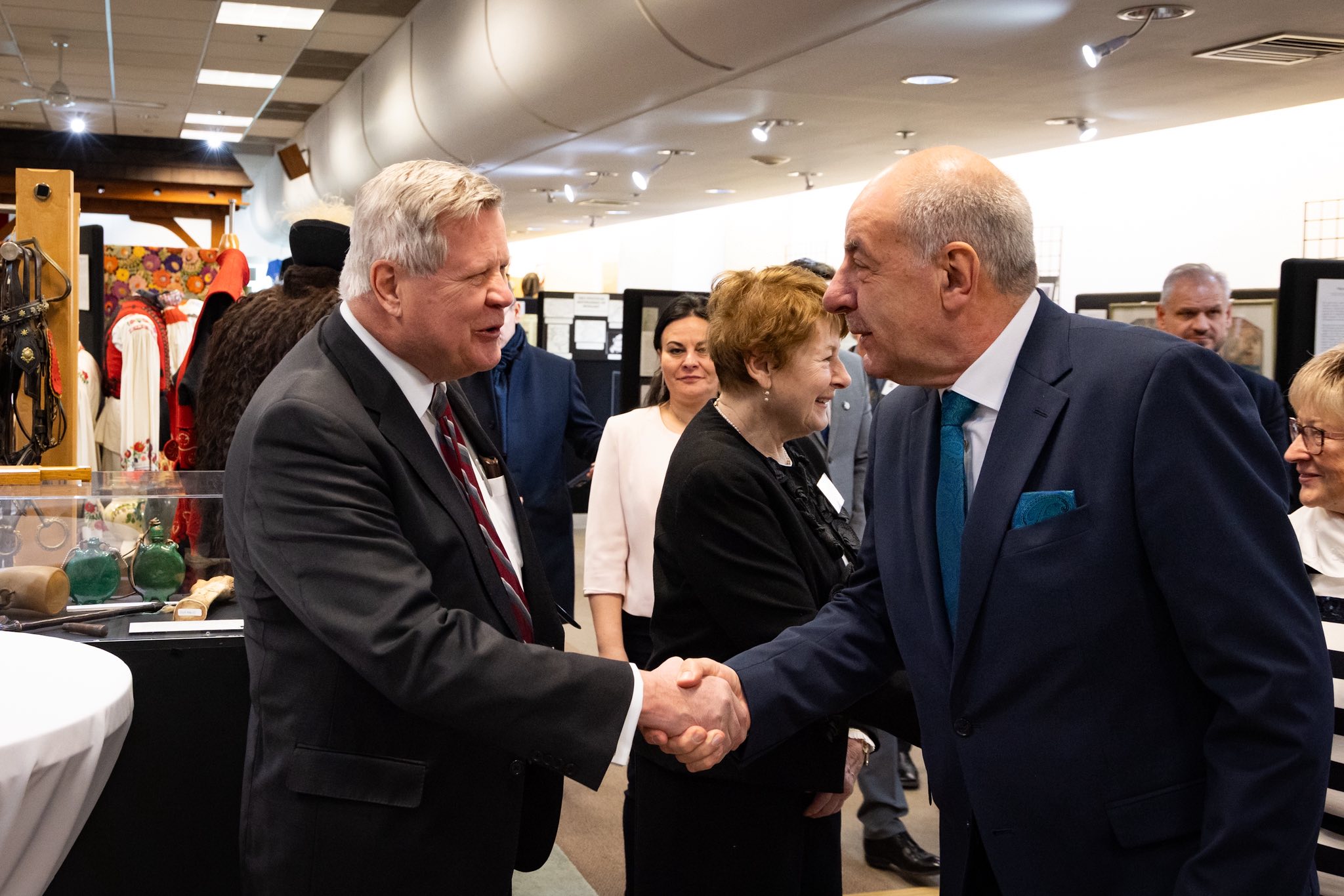
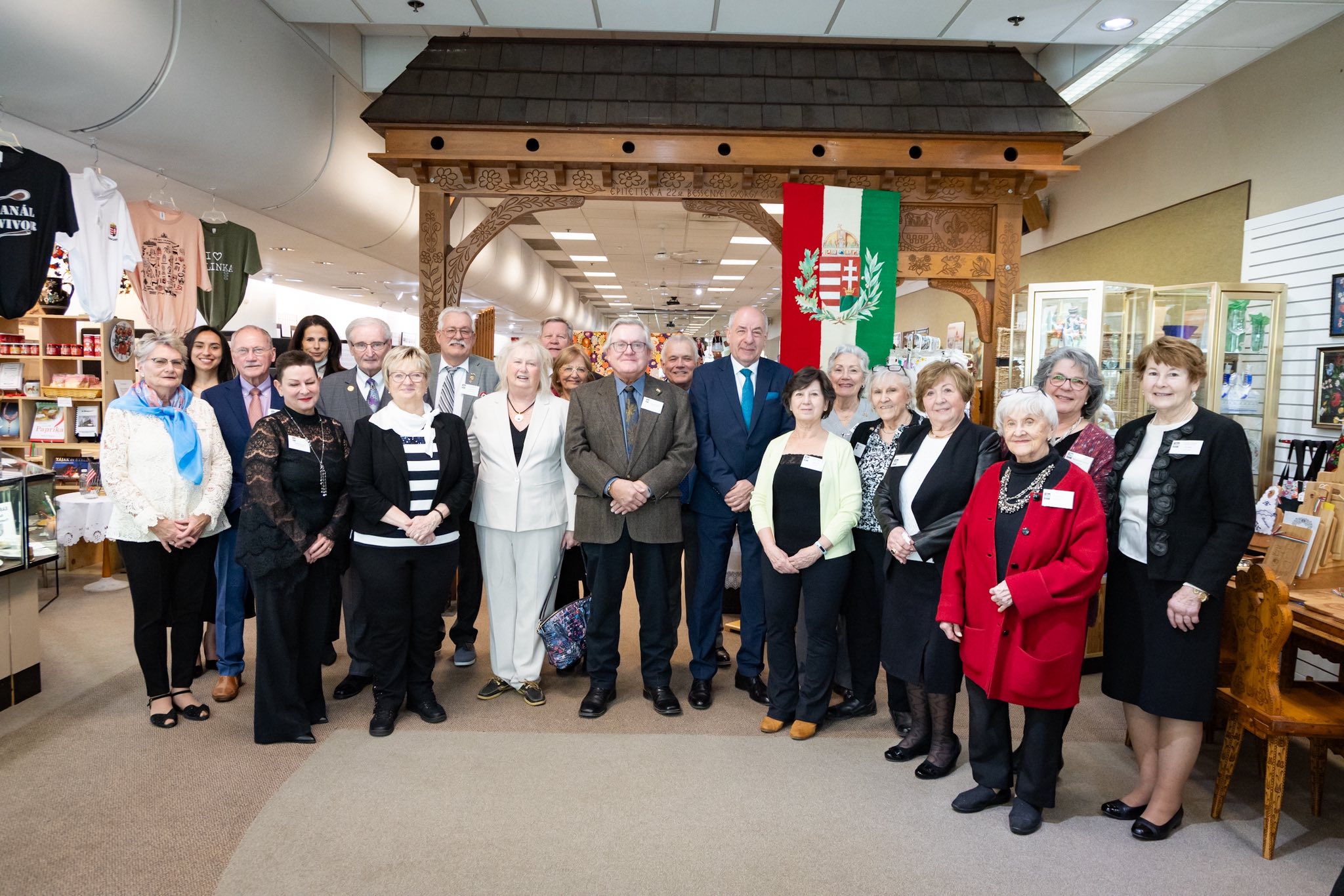
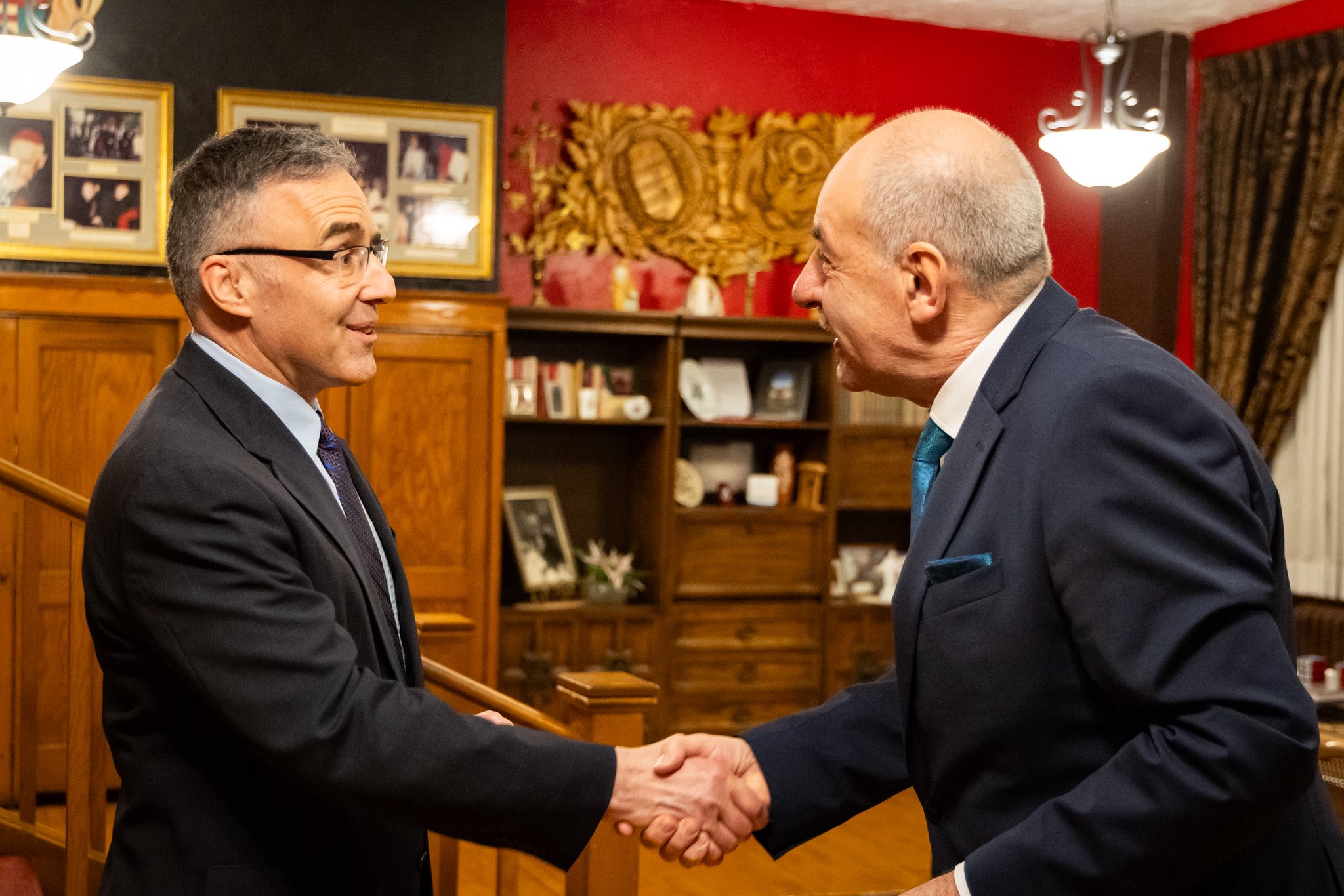
The Hungarian Museum, founded in 1985 by an enthusiastic group of Hungarians in Cleveland, is still run entirely by volunteers in the city. The President of Hungary saw on site that the institution now houses a library of over 8,000 volumes, a significant ethnographic and fine arts collection, and archival materials, and regularly hosts professional lectures and cultural shows.
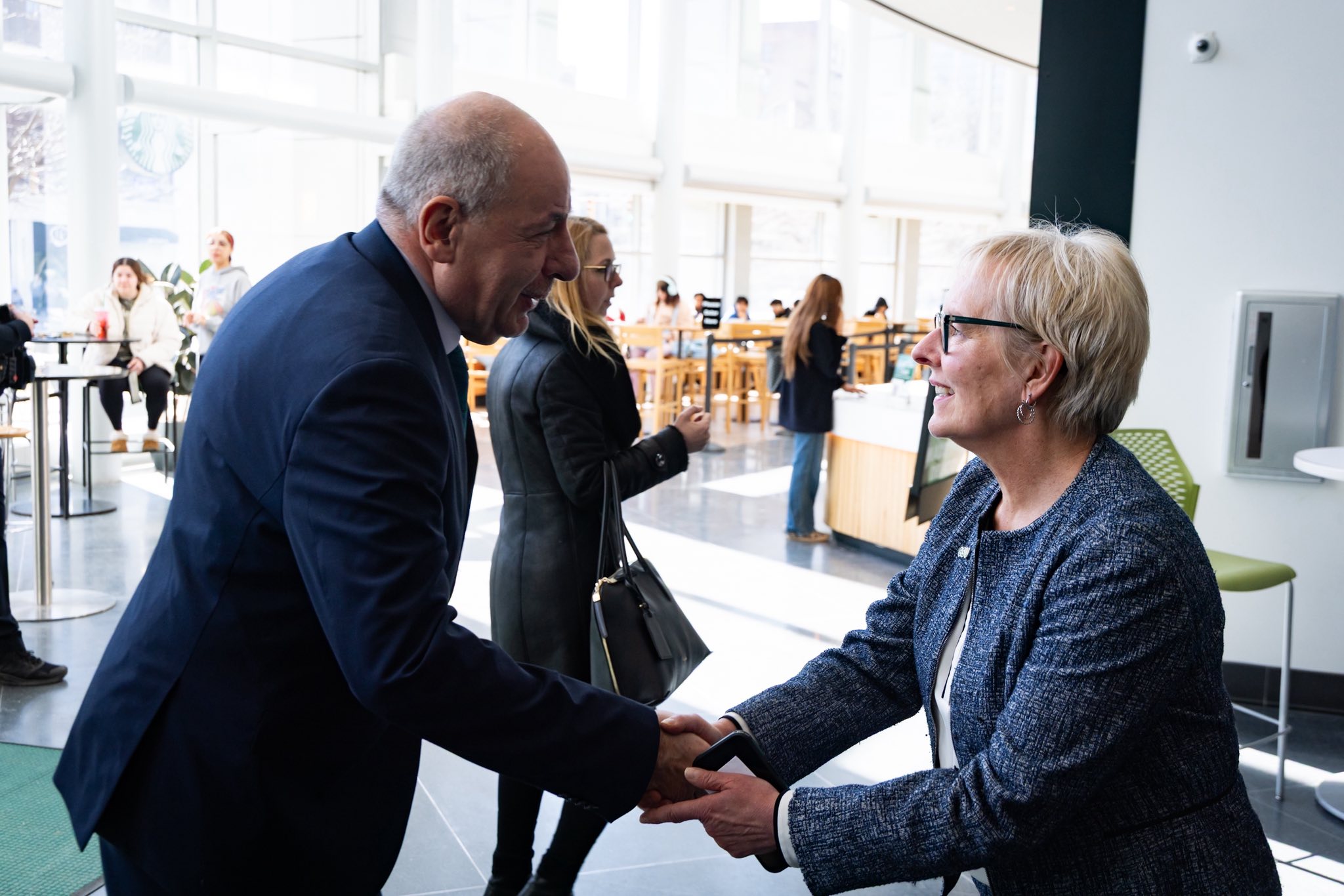
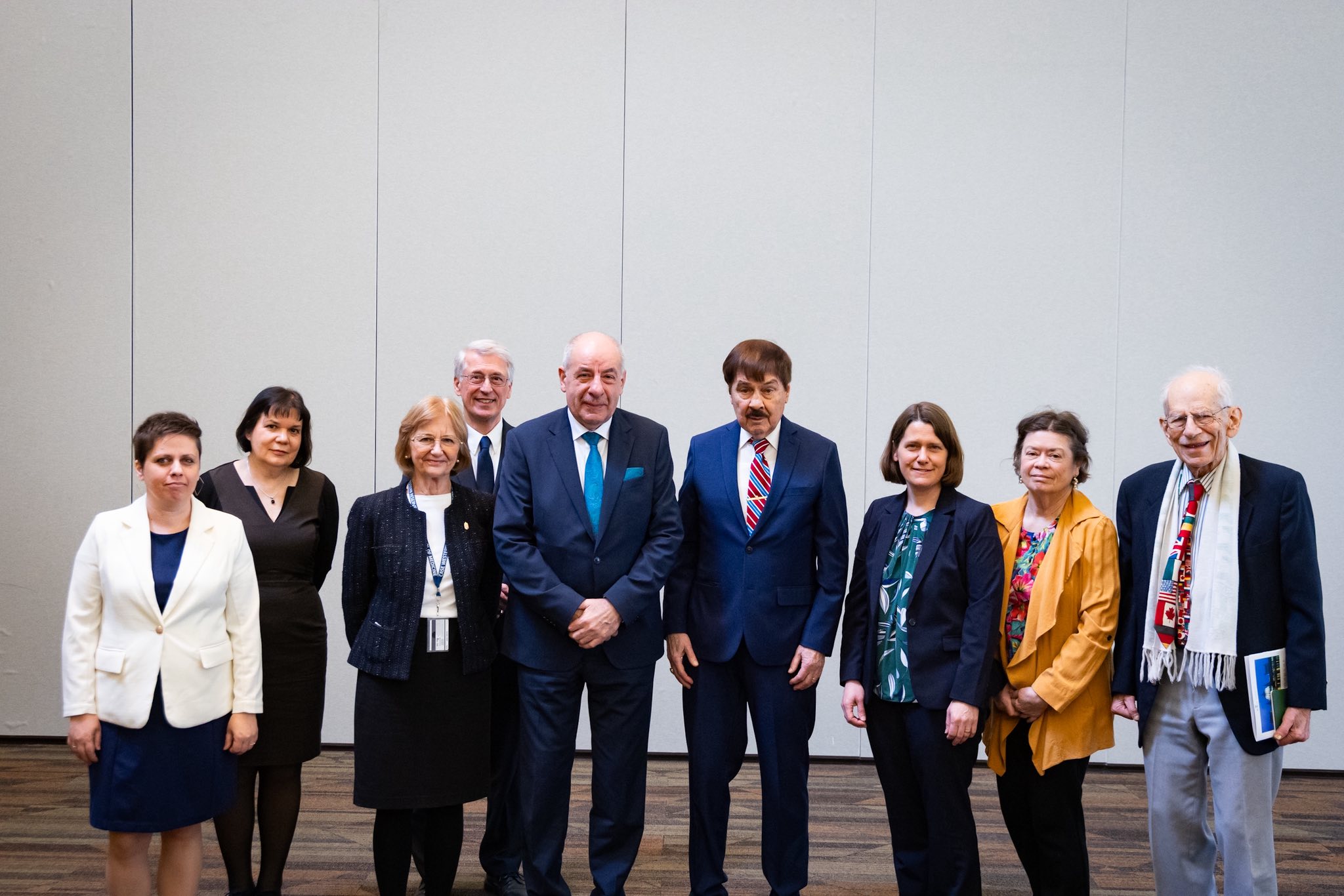
The President also visited the Cleveland State University campus, where some 14,000 students are enrolled. Hungarian studies have been taught in an organised form at the institution’s Department of Modern Languages since 1969. During his visit, the Head of State spoke with the university’s president, President Laura J. Bloomberg, and several lecturers of Hungarian descent about their experiences in higher education and the possibilities for preserving national identity.
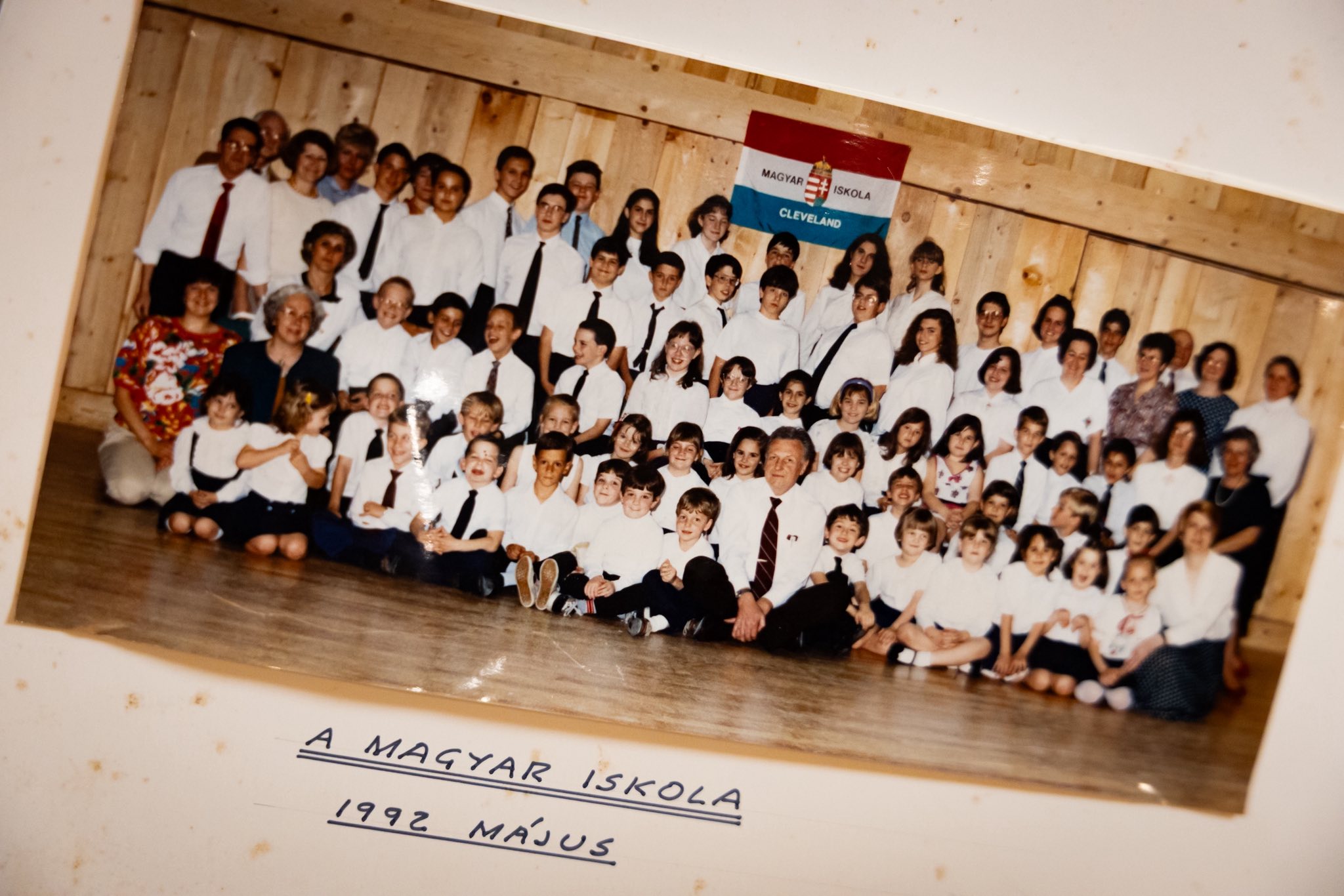
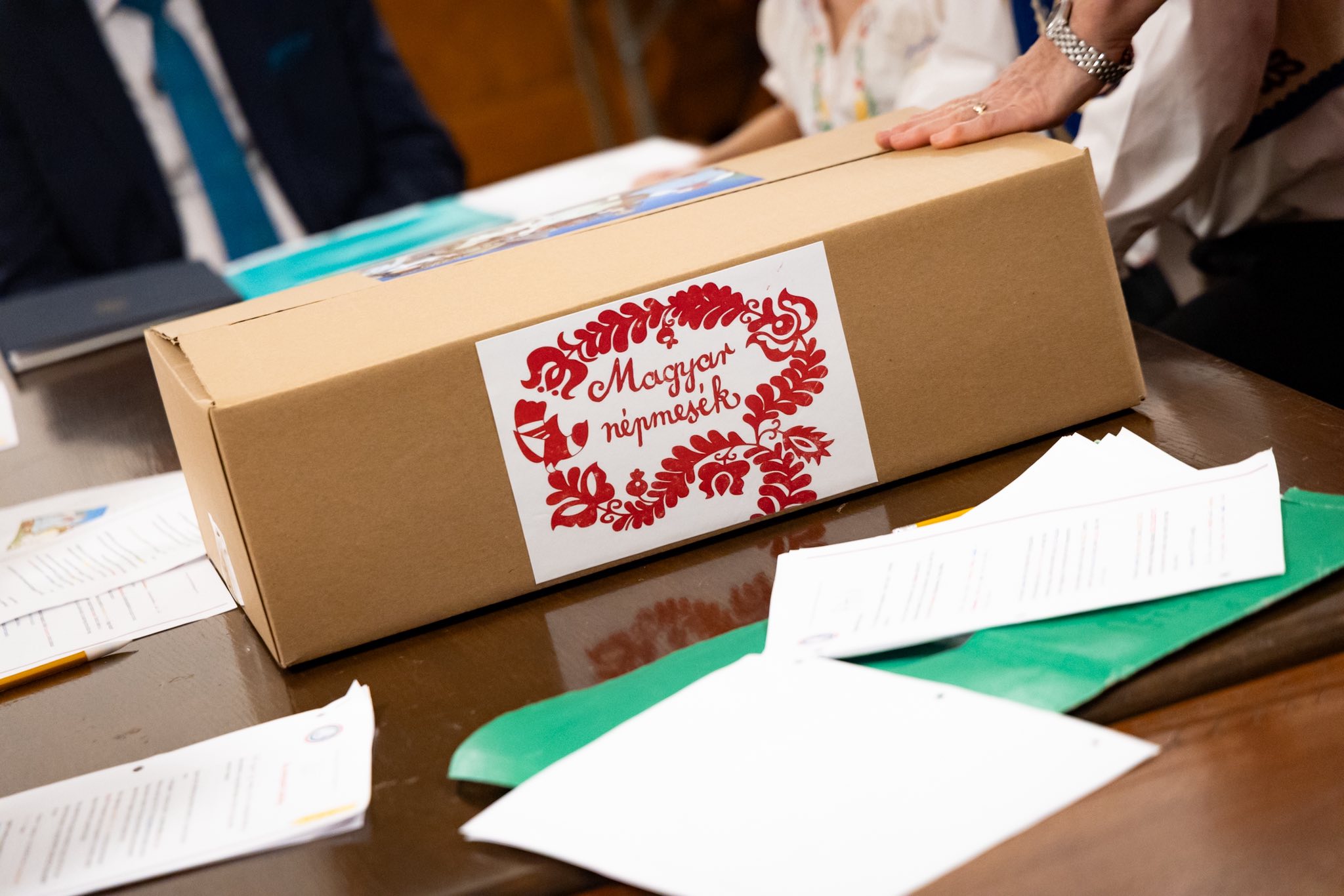
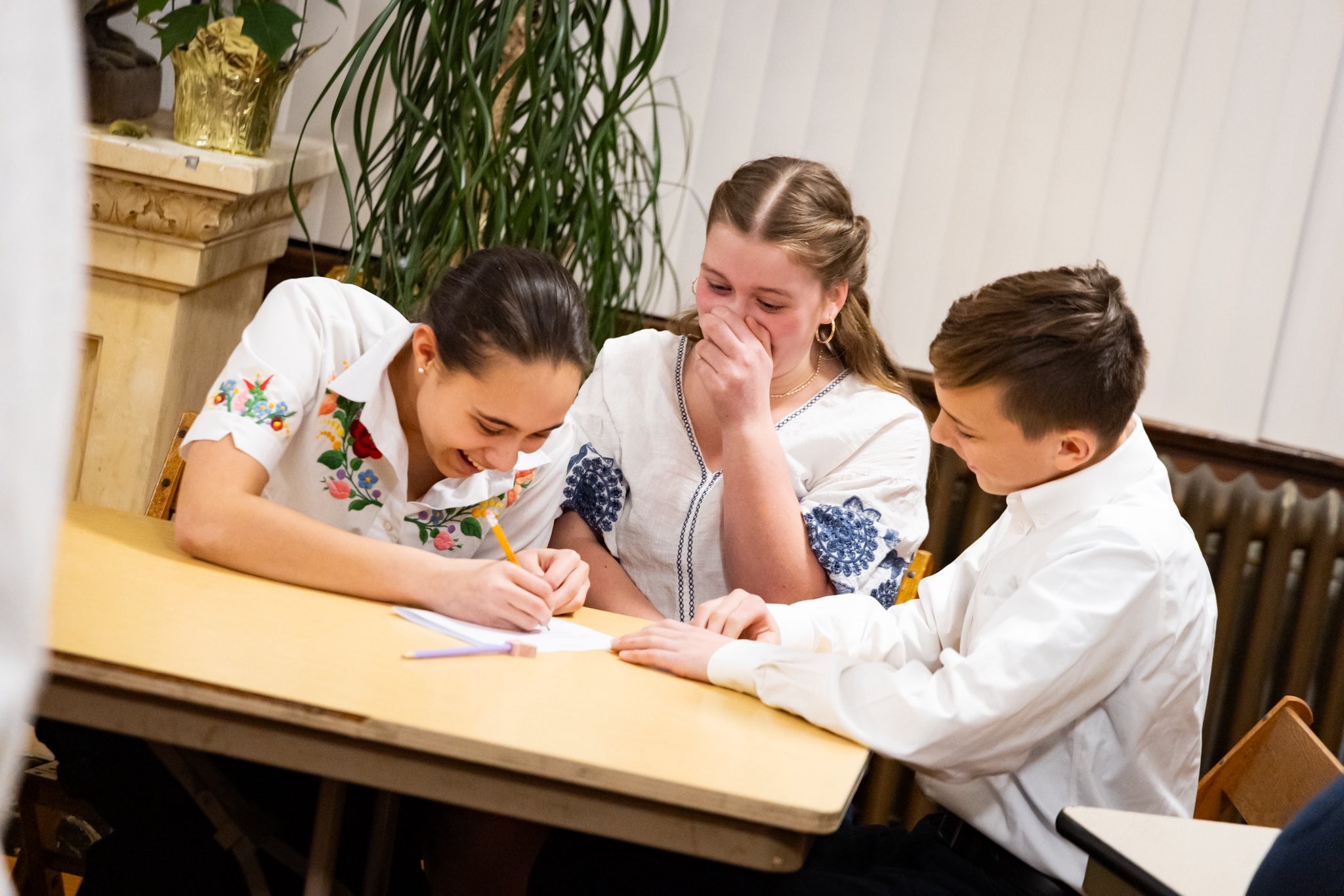
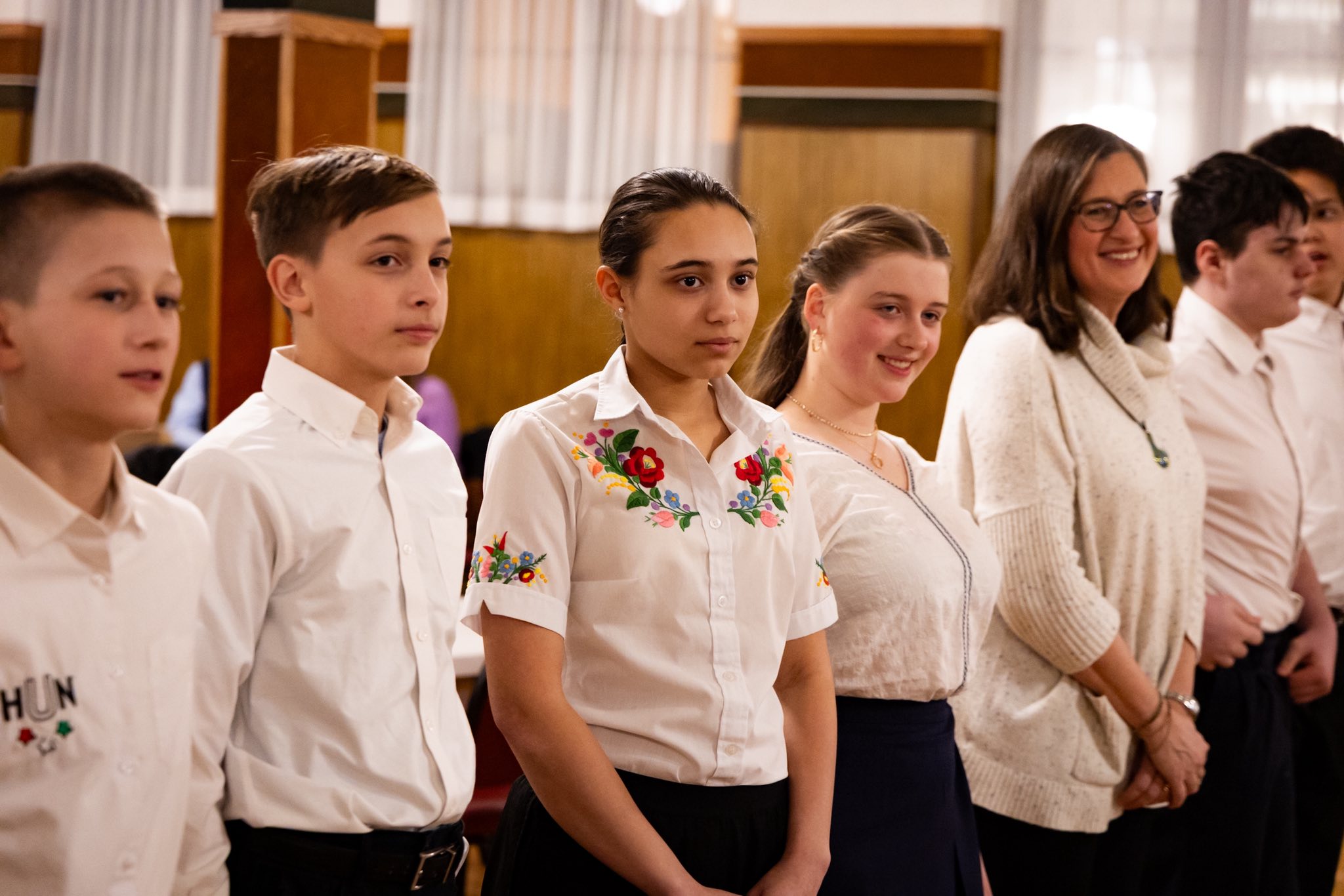
Dr. Tamás Sulyok visited one of the key institutions of the Hungarian community in Cleveland, the Cleveland Hungarian School - the legal successor to the West Side Hungarian School - founded in 1958. The institution provides children living in the Diaspora with an opportunity to learn about the Hungarian language and culture, as – as they maintain – the mother tongue is one of the foundations for preserving national identity. Under the leadership of Dr. Endre Szentkirályi, the school now offers classes from nursery school right through to secondary school, and plays an important role in strengthening the linguistic and cultural ties of the Hungarian community in America.
As part of the programme, the President also paid his respects at the Lajos Kossuth statue in Cleveland. Kossuth arrived in the city in January 1852 during his tour of the United States, where, according to contemporary accounts, he was given an enthusiastic welcome. The statue was erected in 1902 to mark the centenary of Lajos Kossuth’s birth and the fiftieth anniversary of his visit to Cleveland. Soil brought from historic Hungarian sites was placed beneath its plinth so that, in accordance with the wishes of Cleveland’s Hungarian community, the monument stands on ‘Hungarian soil’.