

Deepening our relationship is particularly important – Head of State's working visit to Germany
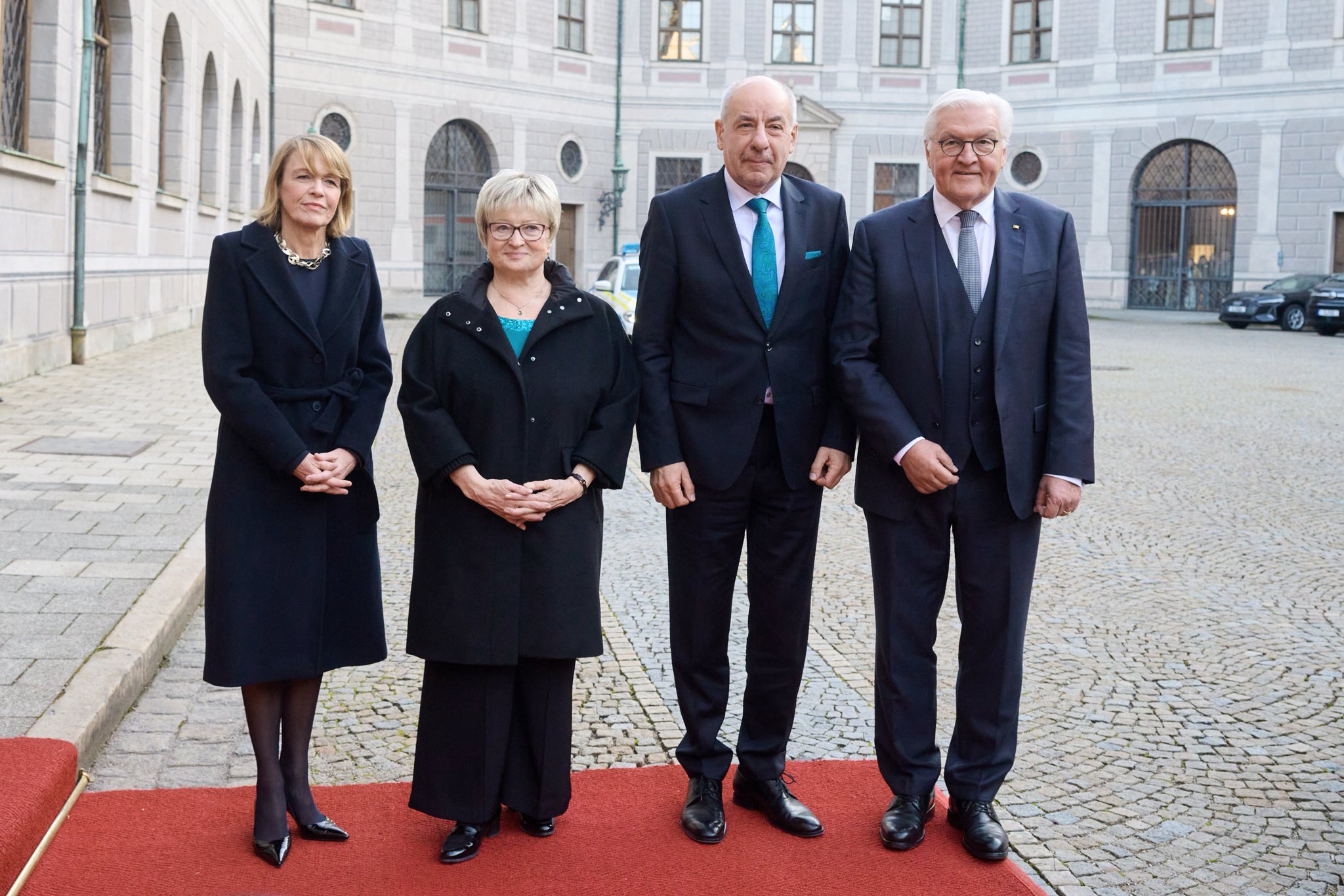
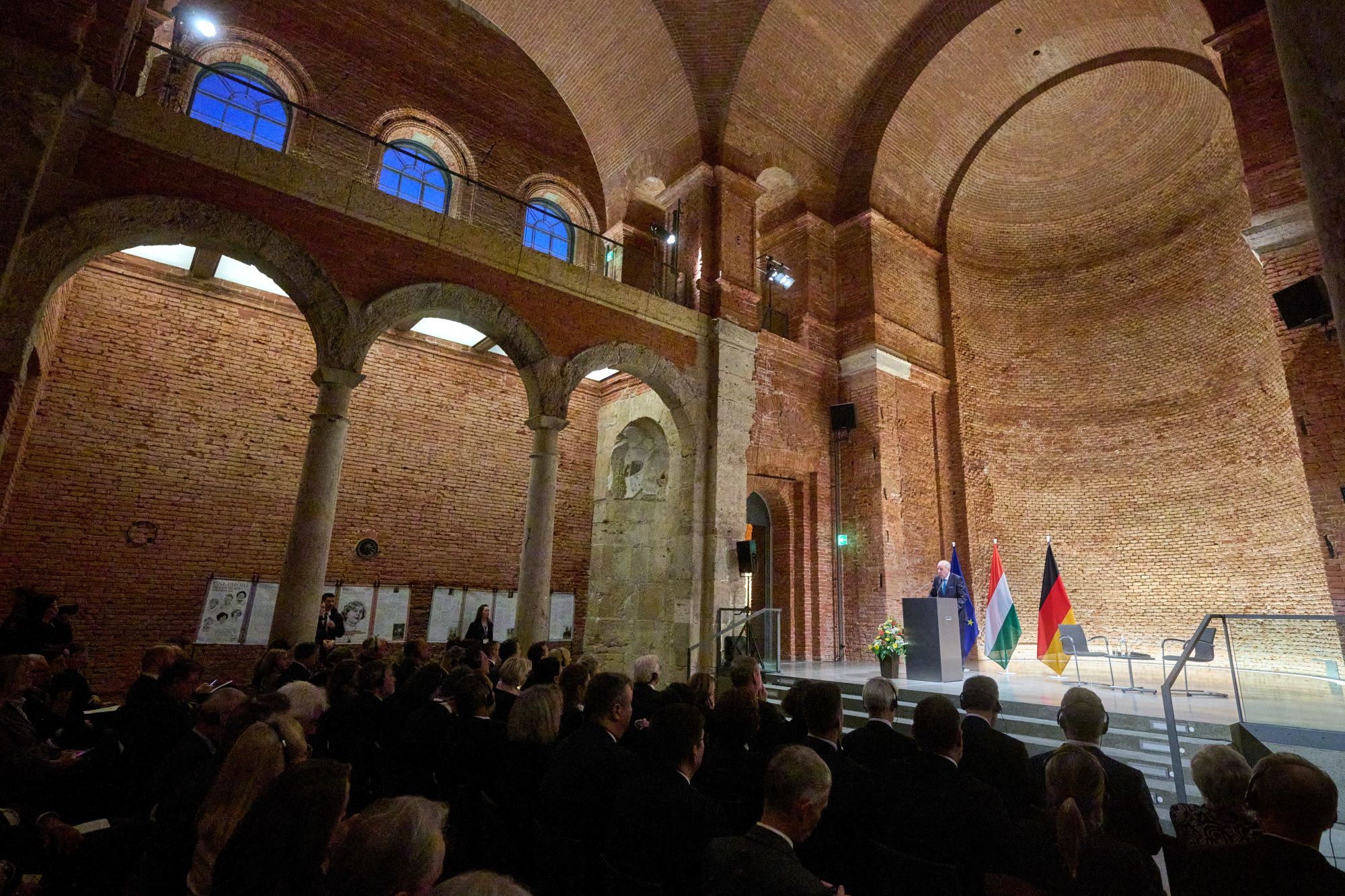
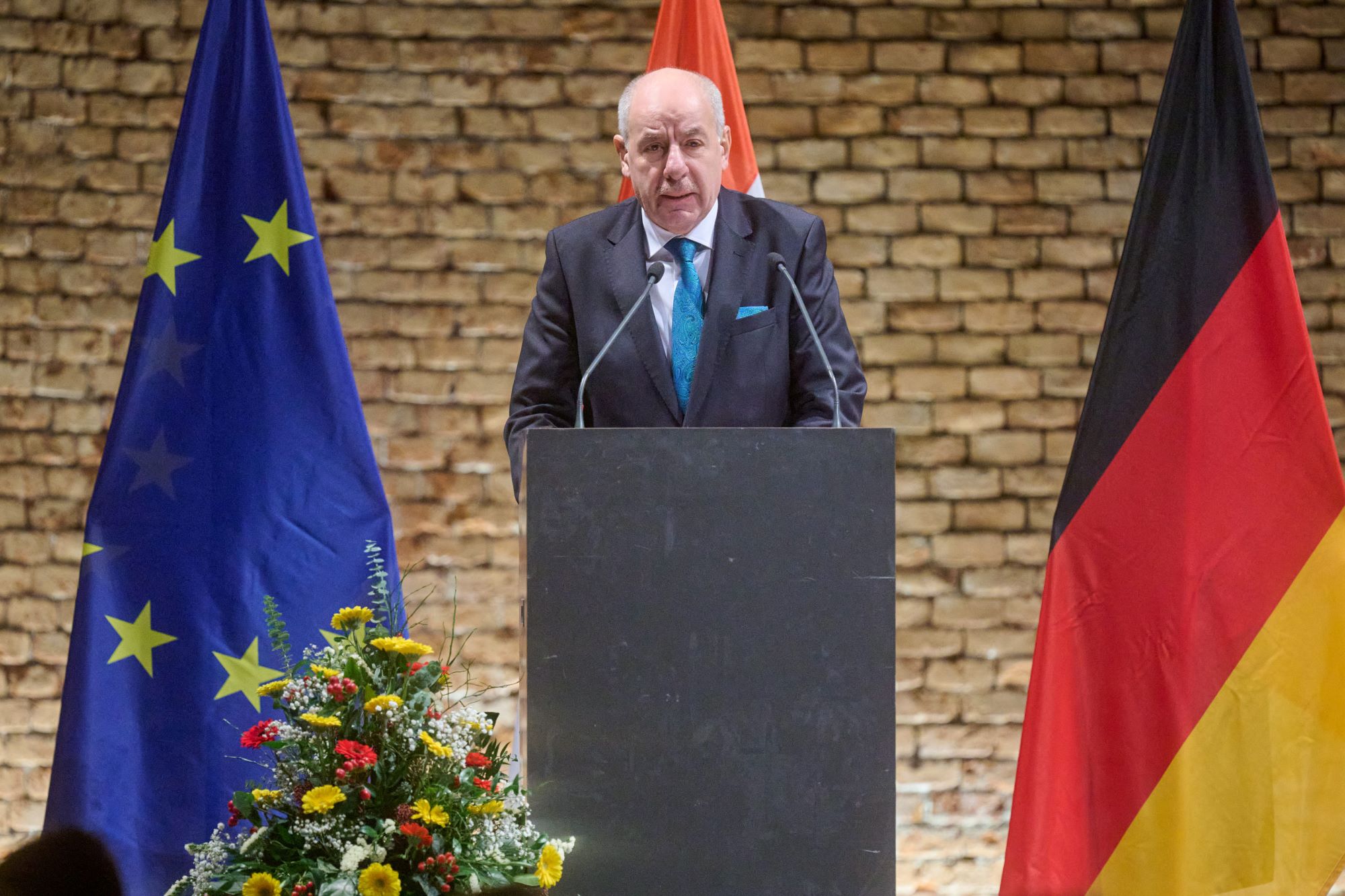
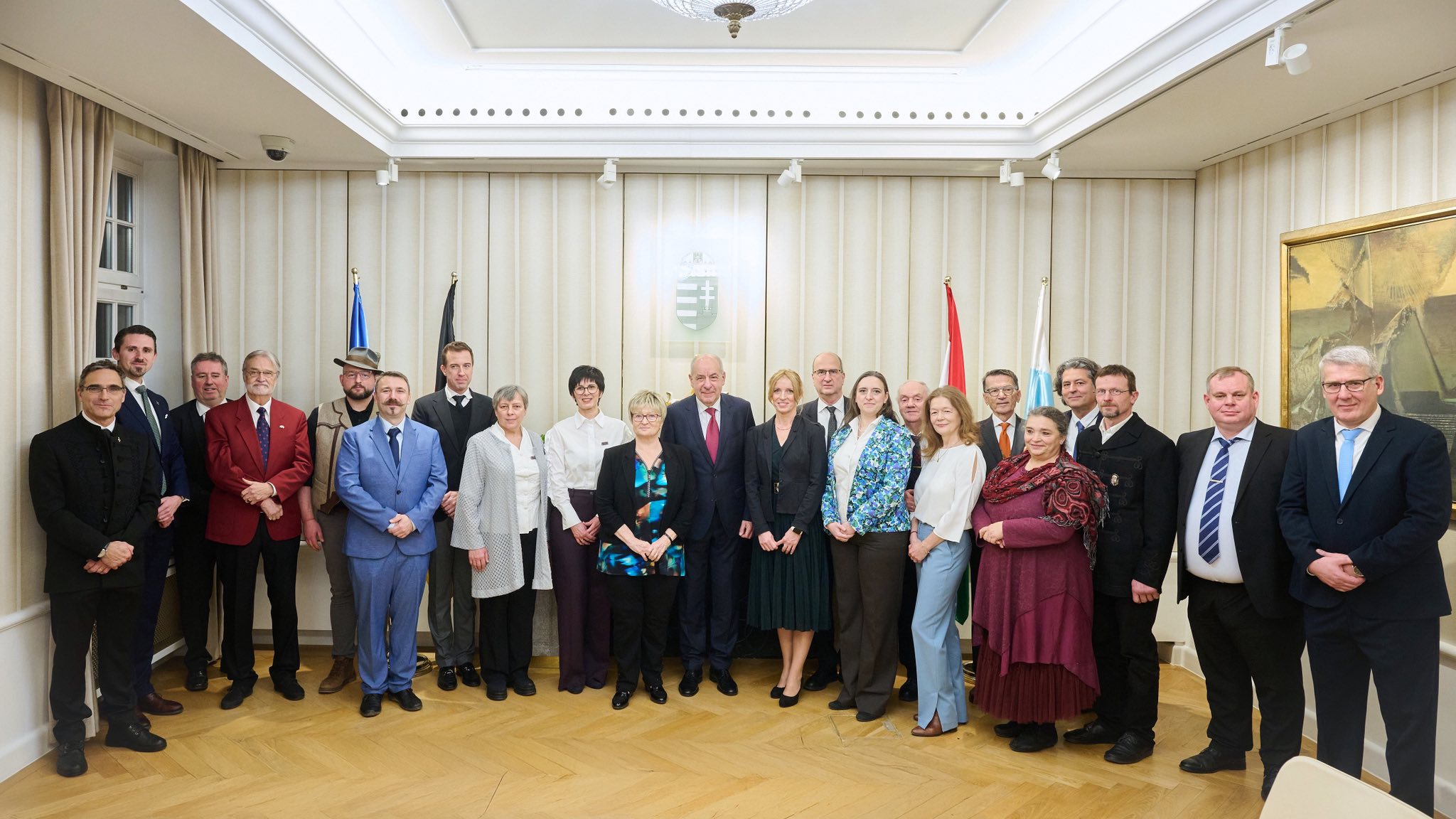
We must continuously stand up for indigenous national minorities, and the principle of collective guilt has no place in Europe , said Dr. Tamás Sulyok, President of Hungary, in Munich, where he was received by Frank-Walter Steinmeier, President of the Federal Republic of Germany. The two Heads of State participated in a commemorative ceremony held on Memorial Day for the Deportation of Ethnic Germans from Hungary. The Hungarian Parliament declared 19 January Memorial Day for the Deportation of ethnic Germans from Hungary, as it was on this day in 1946 that the first train carrying the expelled ethnic Germans left Hungary.
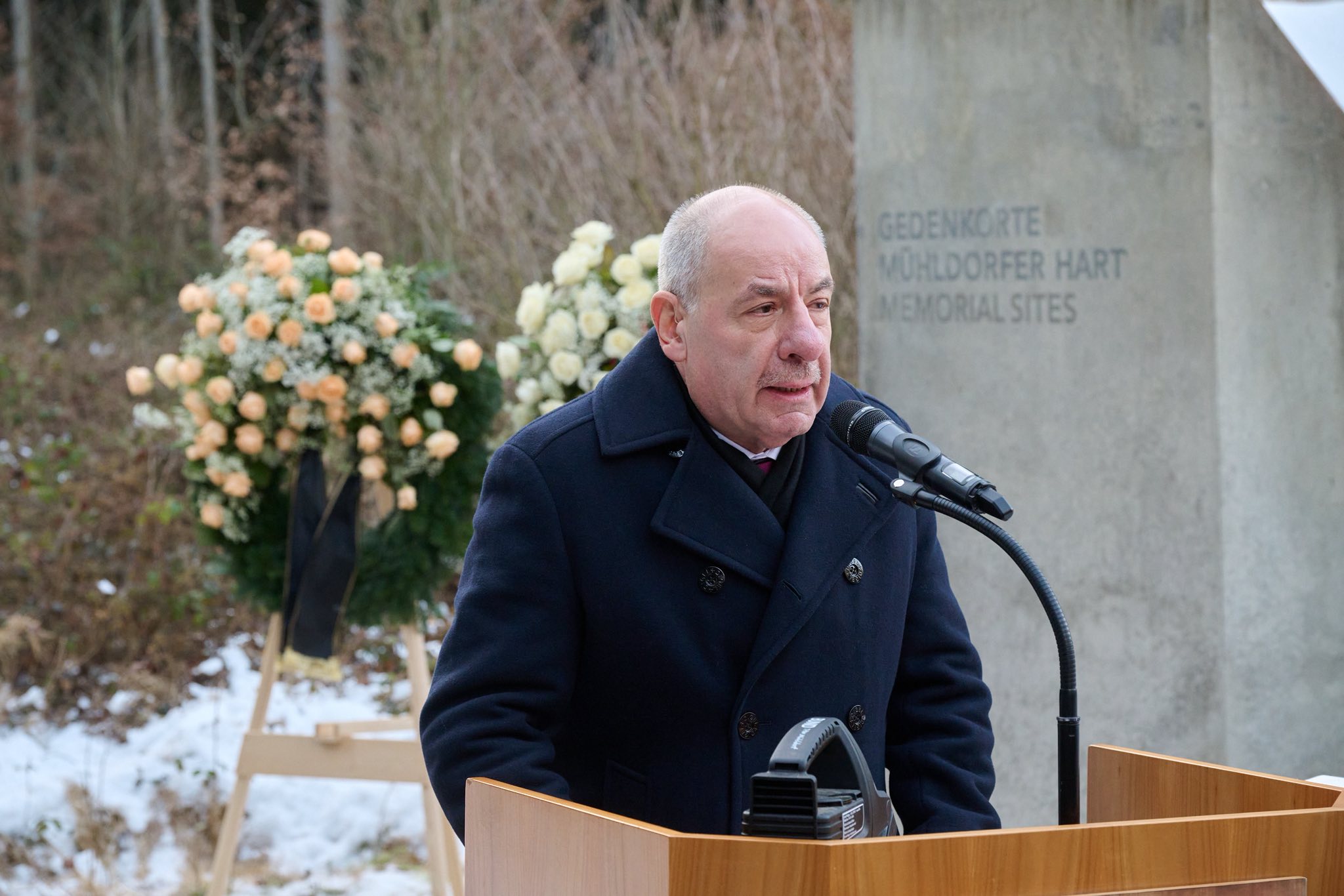
In his commemorative speech, the Hungarian Head of State emphasised: "We have put an end to the era of the lies of collective discrimination; in the 21st century, there is no place for this in Europe. Not in politics, not in society, not in the field of law!"
Dr. Tamás Sulyok recalled: "Eighty years ago, my compatriots were expelled because they belonged to the ethnic German minority. Yet the German nationality had been an integral part of Hungary for centuries. The mark of the German people, the fruits of their labour and their cultural influence are present in Hungary, in Hungarian culture, and cannot be erased."
The President of Hungary added that by attending the commemoration, he wished to express that the expulsion of Germans from Hungary was not only a blow to the German nation.
"We share this tragedy. We have put an end to the era of the lies of collective discrimination; there is no place for it in 21st-century Europe. Even good relations that are taken for granted need to be protected and nurtured. Those were on the right track who worked on cooperation, respecting each other despite their differences of opinion and taking each other's interests into account. Of course, there were times when some of the threads in our relationships became strained, but at such times, other threads kept us strong and brought us even closer together. We had plenty of time to learn that there is no loose thread that cannot be strengthened with common will and effort.
Dr. Tamás Sulyok emphasised: "Deepening relations with Germany is particularly important to me."
At the joint commemoration, President of the Federal Republic of Germany Frank-Walter Steinmeier spoke about how Germans in Hungary and those deported and their descendants in Germany often serve as cultural and political bridge builders today. They build bridges of mutual understanding in their everyday lives through their natural coexistence.
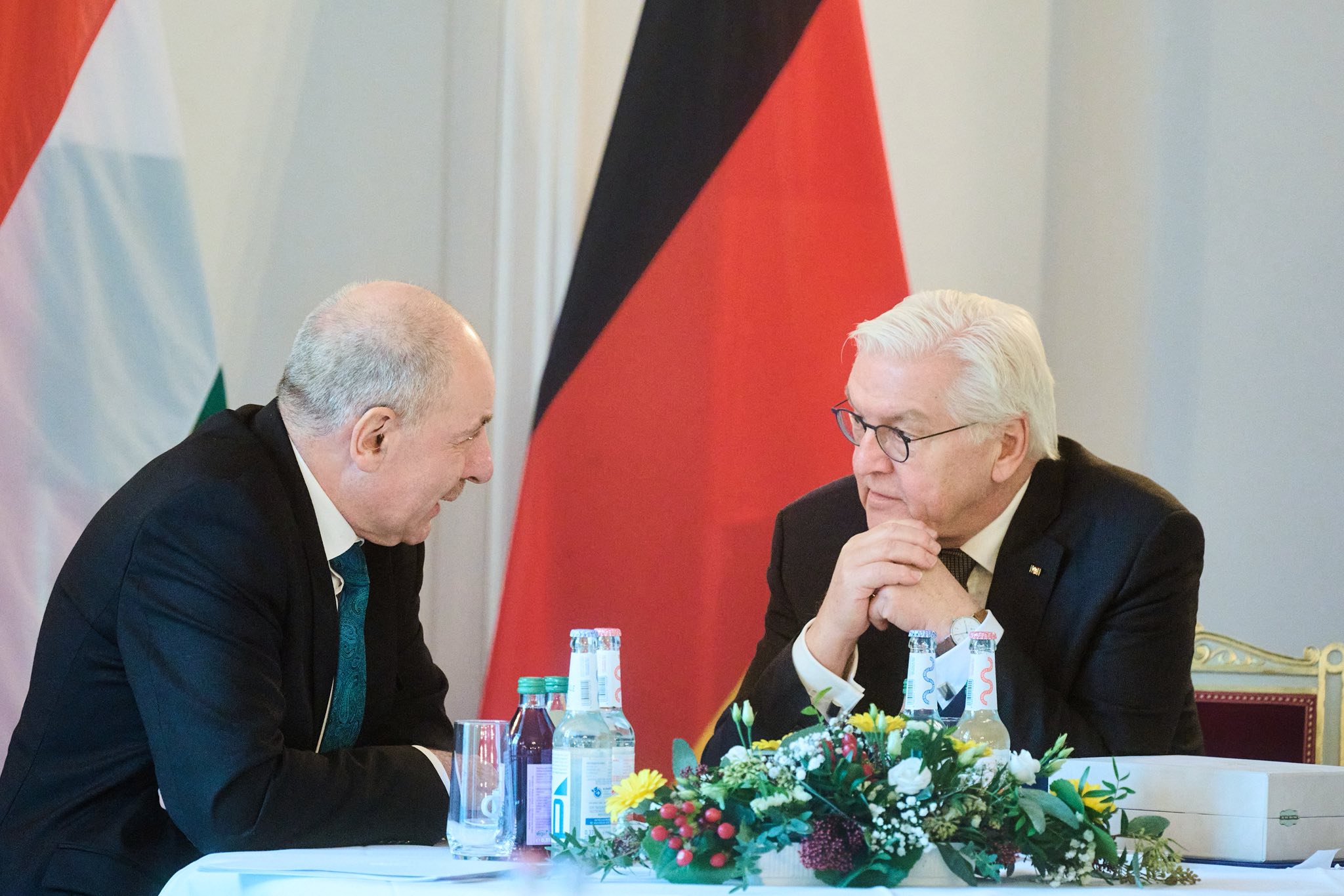
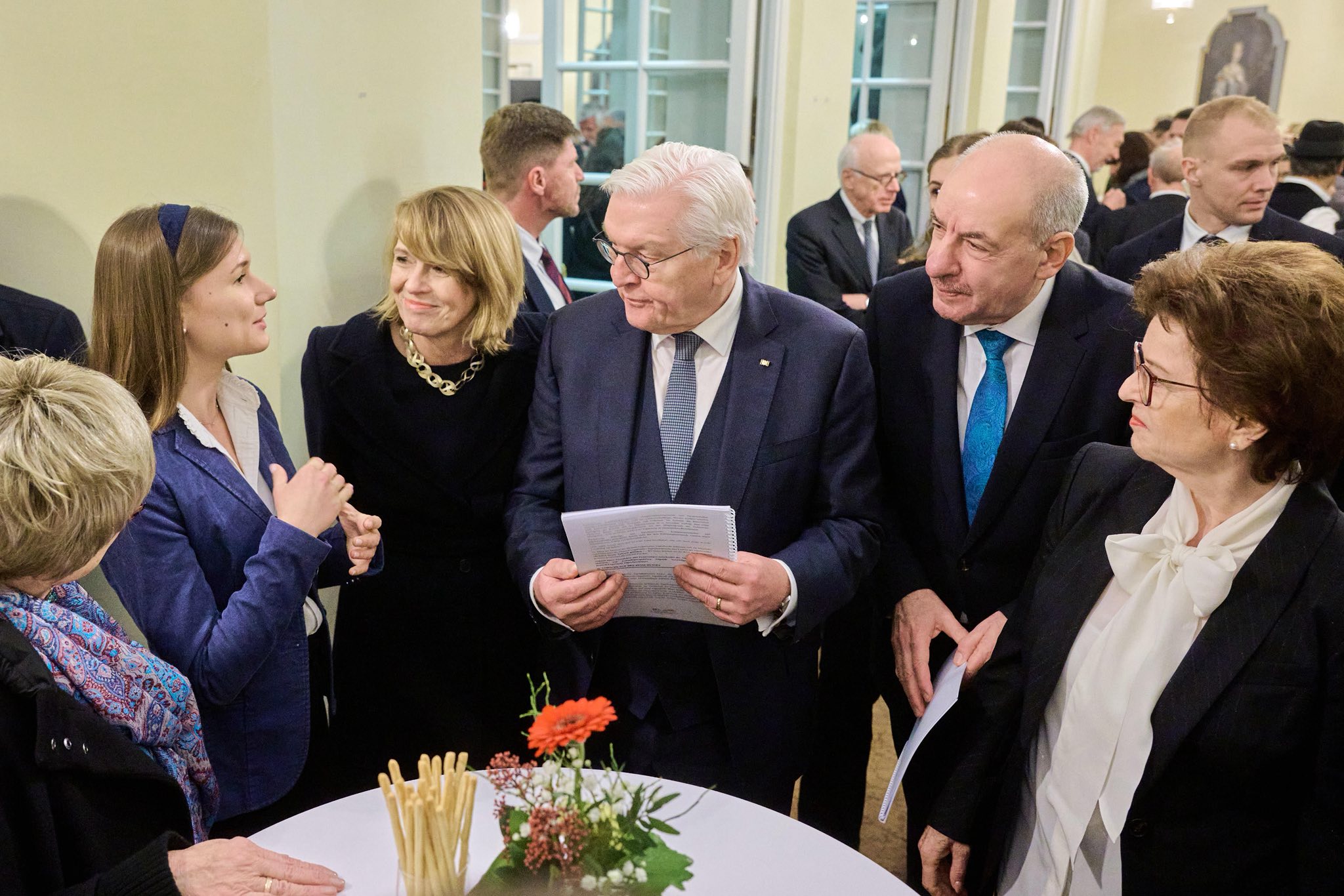
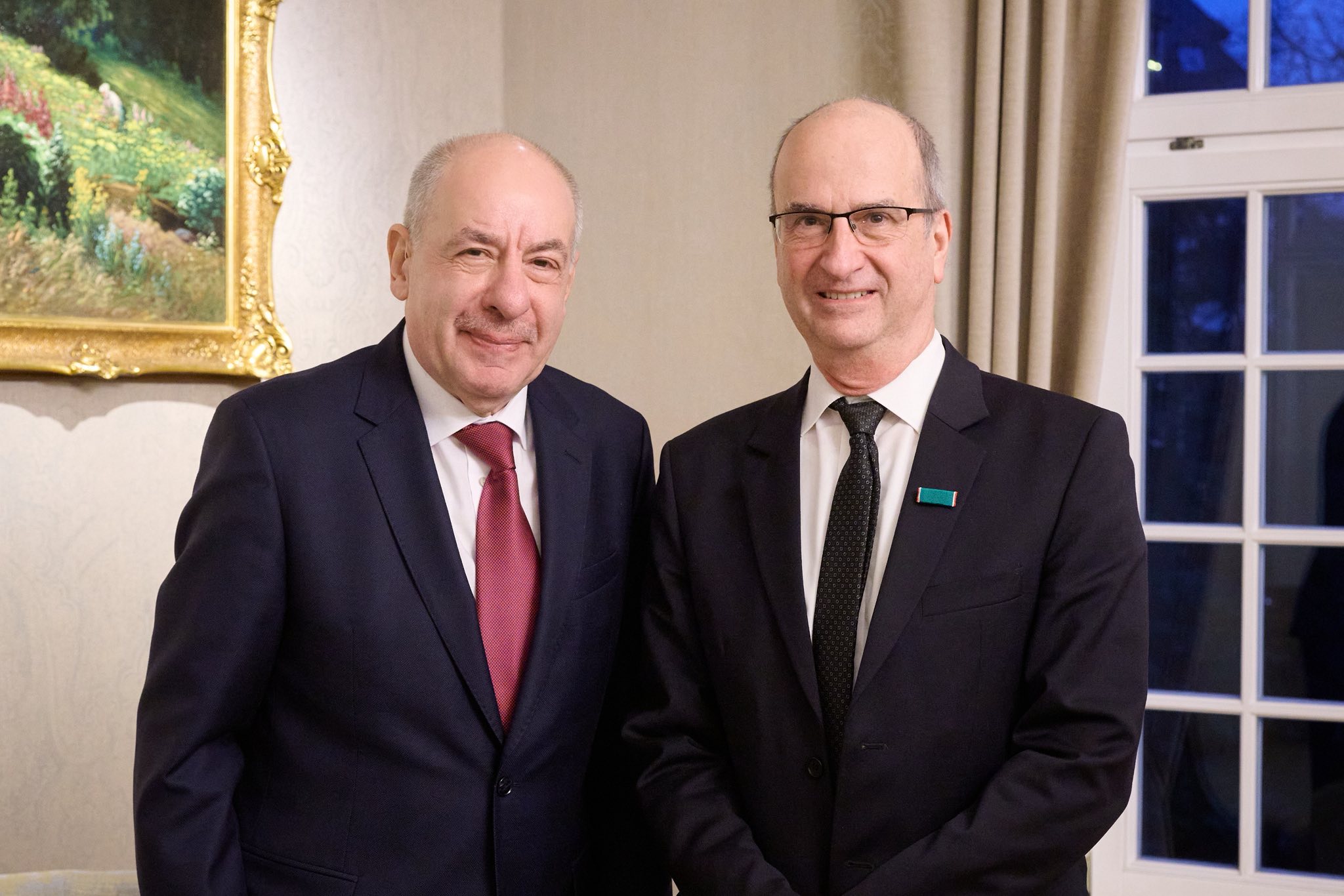
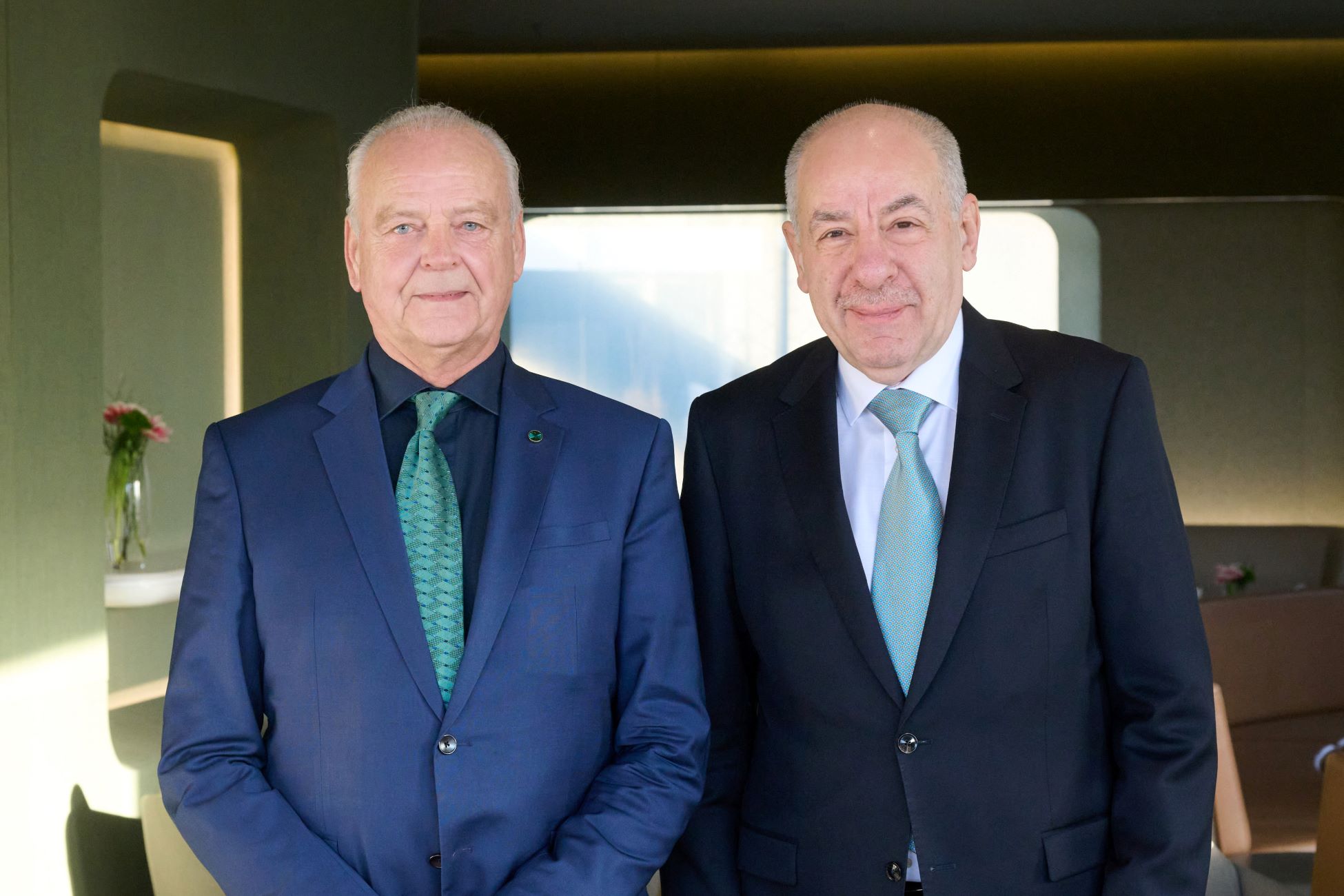
Dr. Tamás Sulyok discussed the further development of historically based cooperation with German President Frank-Walter Steinmeier, emphasising the need for cooperation that prioritises competitiveness and security. Following the Hungarian-German Summit, the President of Hungary emphasised that the history of German-Hungarian relations, which spans more than a thousand years, is one of continuous renewal, driven not only by economic and cultural ties but also by our shared responsibility as members of the European family.
According to the President of Hungary, the strategic partnership between the two countries is further strengthened by the close ties and activities of the Hungarian Diaspora in Germany and the German Diaspora in Hungary.
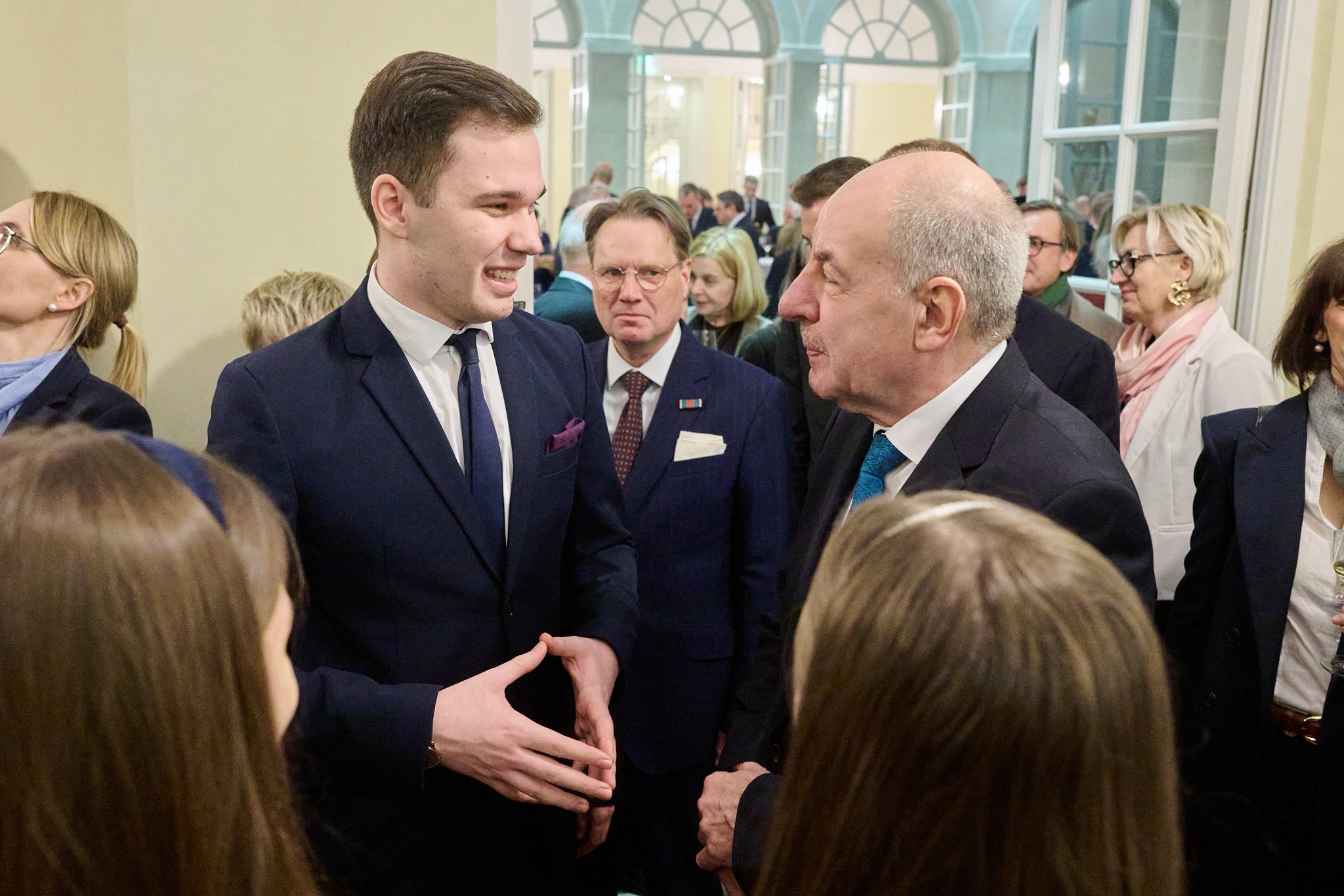
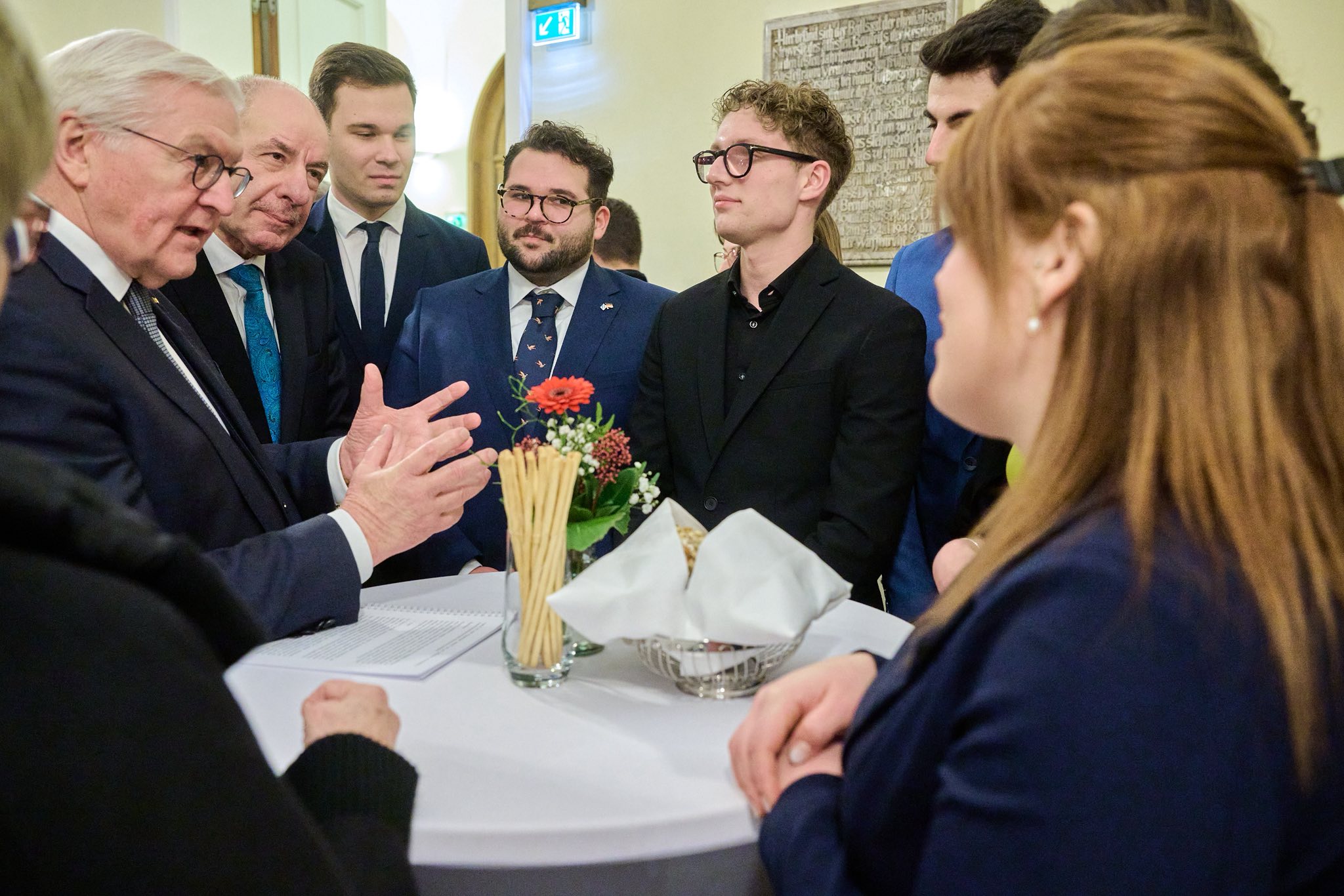
In Munich, the two Presidents met with young people from the Deutsch-Ungarisches Jugendwerk (German-Hungarian Youth Association) and representatives of the Youth Parliament. The organisation strengthens the friendship between the two nations through thematic exchange programmes, joint projects, events and meetings.
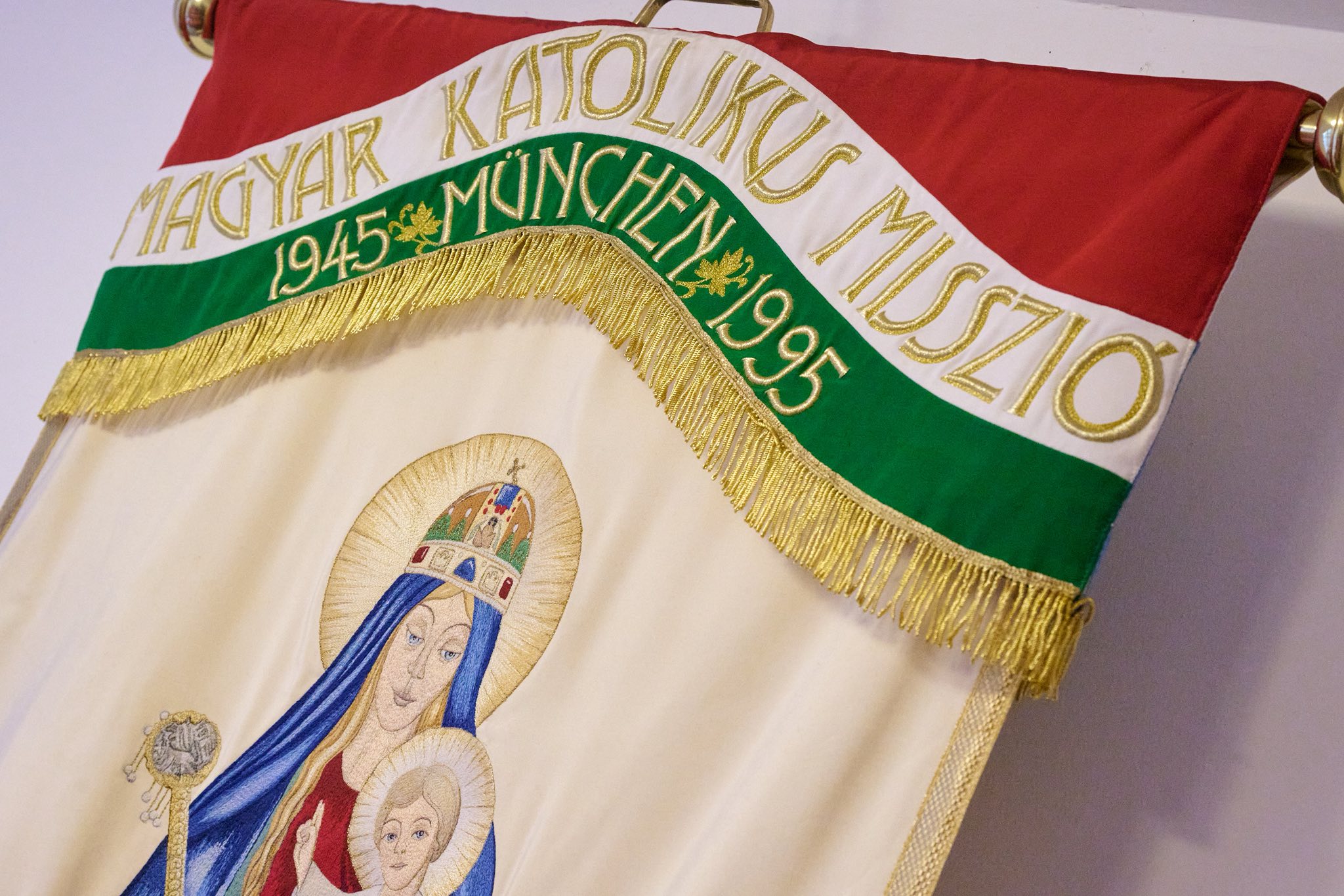
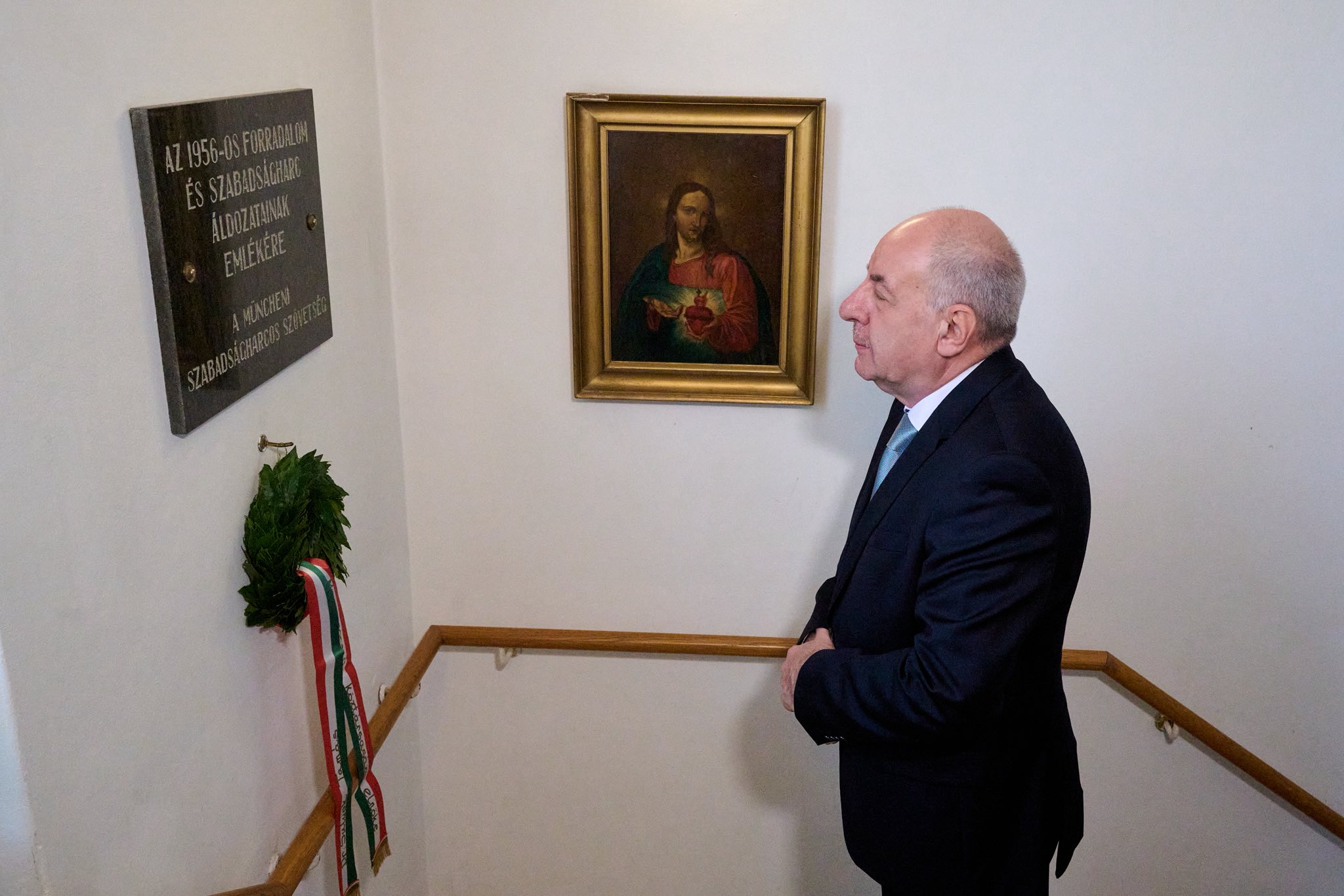
Dr. Tamás Sulyok also paid tribute to the heroes of the 1956 Hungarian Revolution and War of Independence with Father János Merka, leader of the Hungarian Catholic Parish in Munich, and then met with Csaba Láng, President of the Hungarian-German Lawyers' Association, with whom he discussed how to promote German-Hungarian professional cooperation in the fields of jurisprudence and legal practice, with particular regard to promoting mutual understanding of Hungarian and German law in both countries.
At a meeting with representatives of the Hungarian community in Bavaria, including Kornél Klement, President of the Federation of Hungarian Organisations in Germany, the President of Hungary spoke appreciatively of the organisation's work among the local Hungarian community to preserve national identity and strengthen Hungarian-German friendly cooperation.
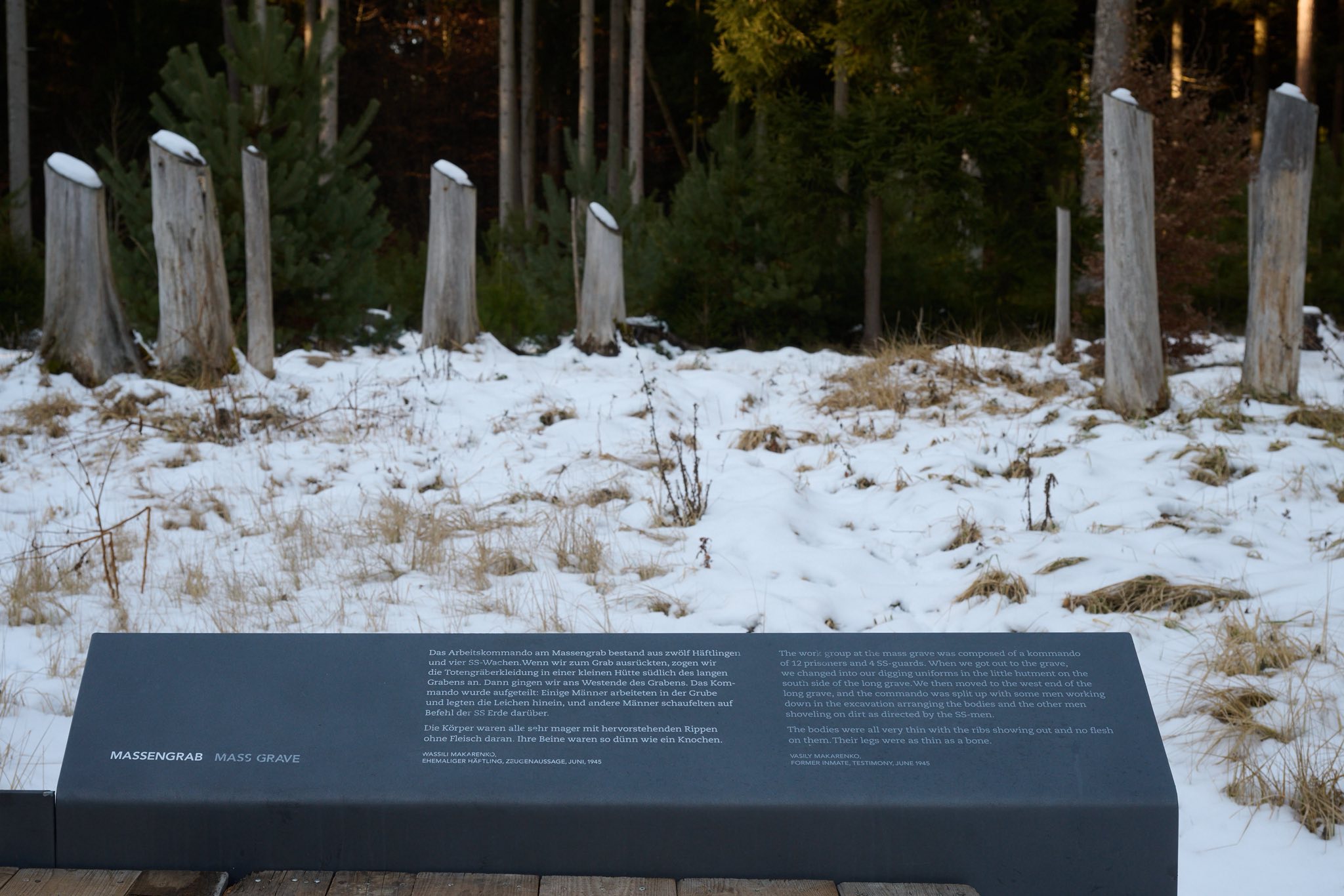
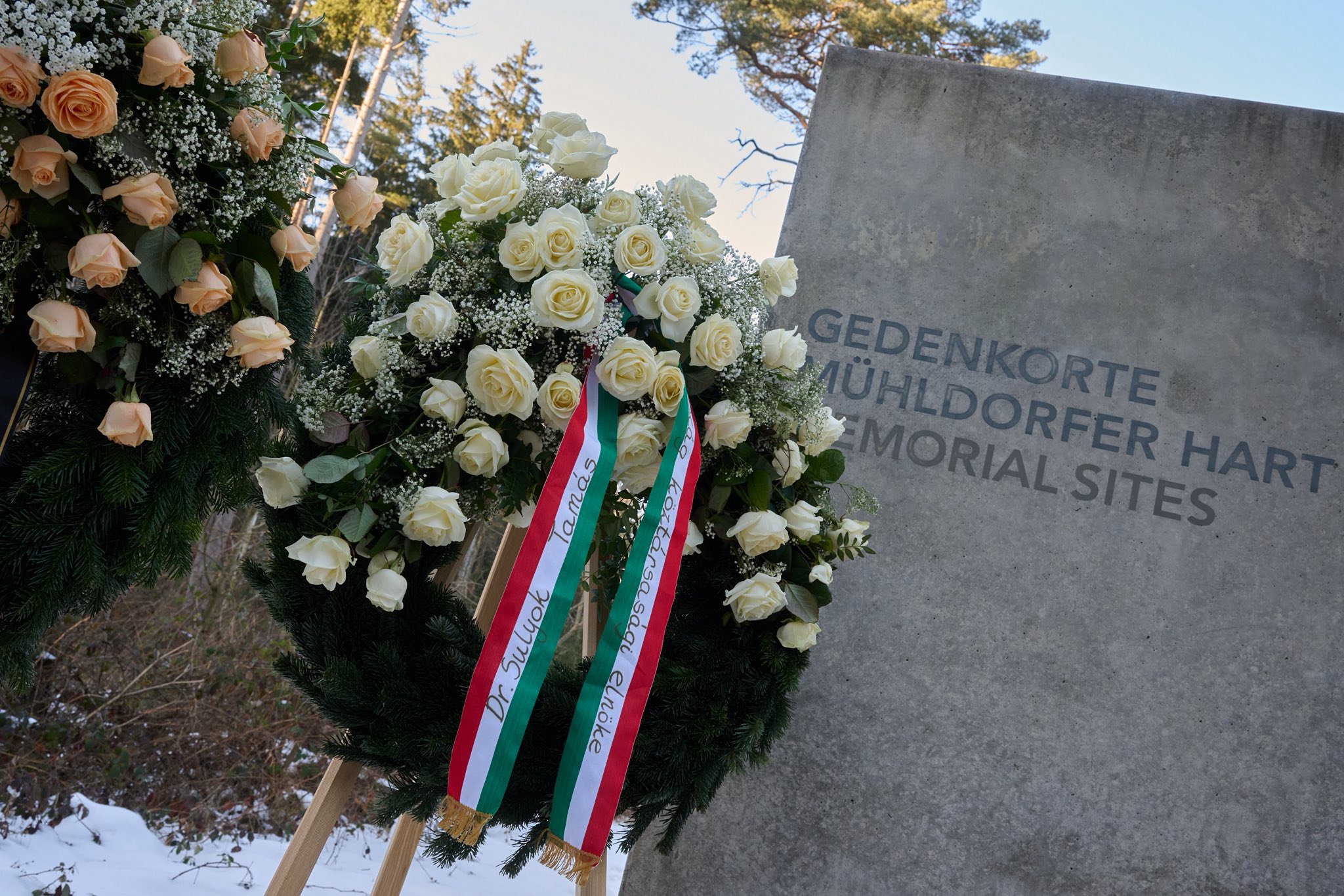
During his programme in Germany, Dr. Tamás Sulyok laid a wreath at the memorial site of the largest subcamp of the Dachau concentration camp, where thousands of our Hungarian Jewish compatriots were forced into slave labour. The commemoration was attended by Stephan Mayer, Member of the Bundestag and President of the Association of Expellees, as well as representatives of the major political parties in Bavaria, and regional leaders.
According to the President of Hungary, this place reminds and warns us of the consequences of giving free rein to ideologies that are hostile to God and man. "Let it be an eternal lesson that human life cannot be sacrificed on the altar of power, hatred and war!" emphasised the Hungarian Head of State.
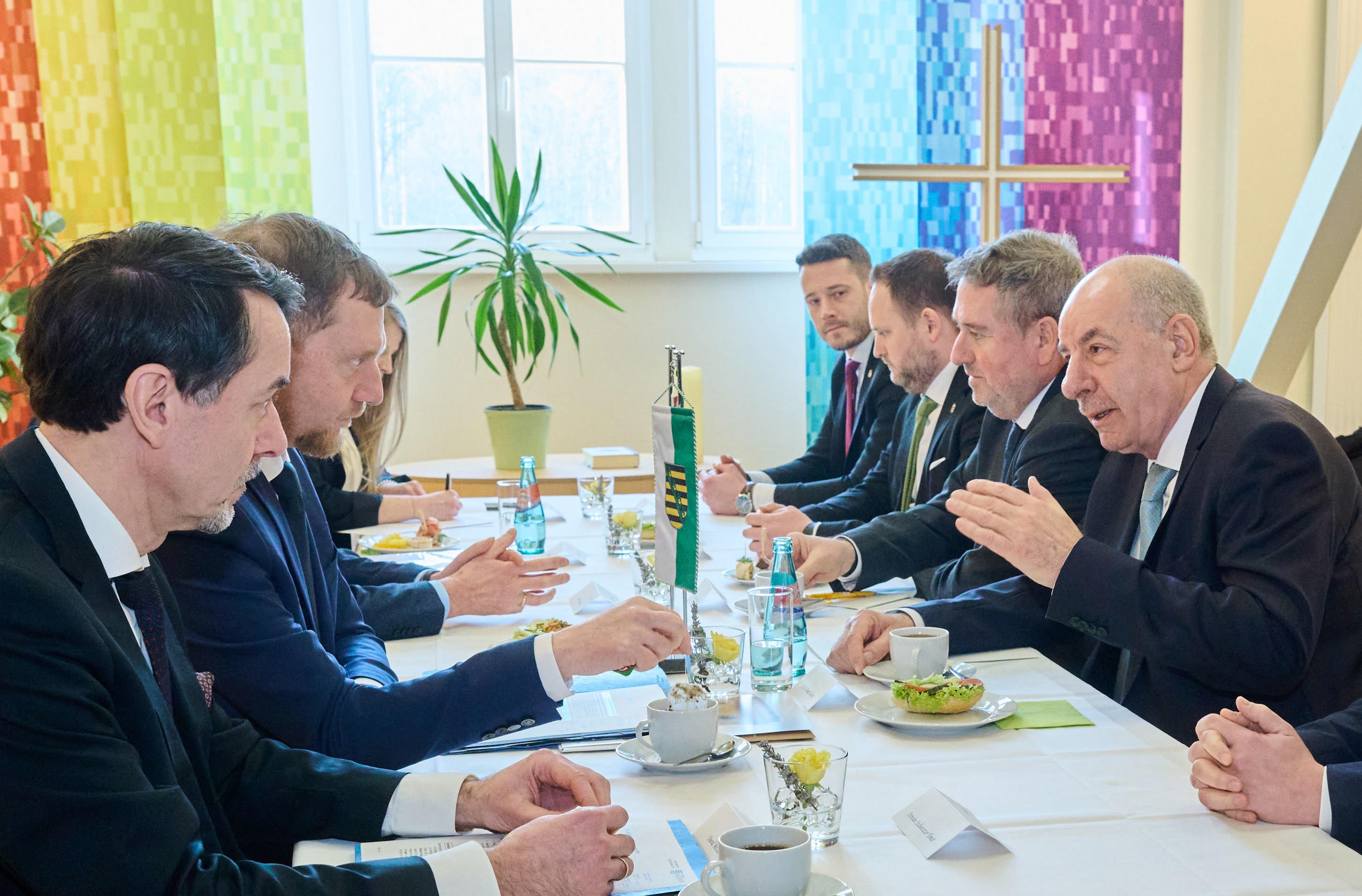
In Pirna, Saxony, President Sulyok held talks with Saxony's Prime Minister Michael Kretschmer, after which they jointly attended a ceremony in memory of the expelled Germans at the city's Evangelical School Centre, where Tamás Sulyok stated that preserving the rights of indigenous national minorities is a European value that should be taken for granted today. He added that respect for the rights of national minorities is also a measure of democracy.
According to Prime Minister Kretschmer, it is important to keep the horrors of 80 years ago alive in the memory of today's generation. What happened will not be repeated if we talk about it and learn from it. Unfortunately, we are still living in times when the peaceful and democratic resolution of conflicts is far from guaranteed, the Prime Minister remarked.
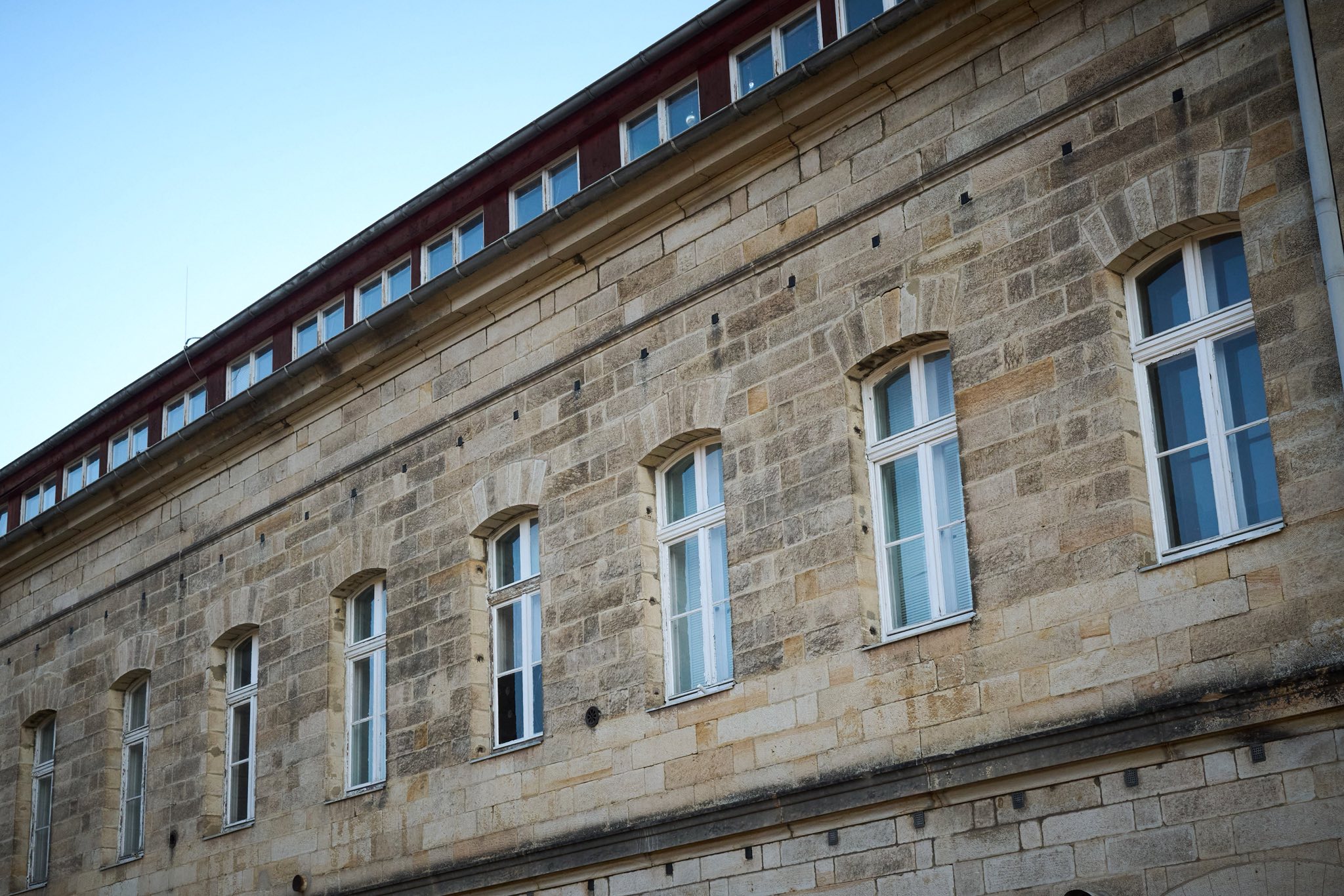
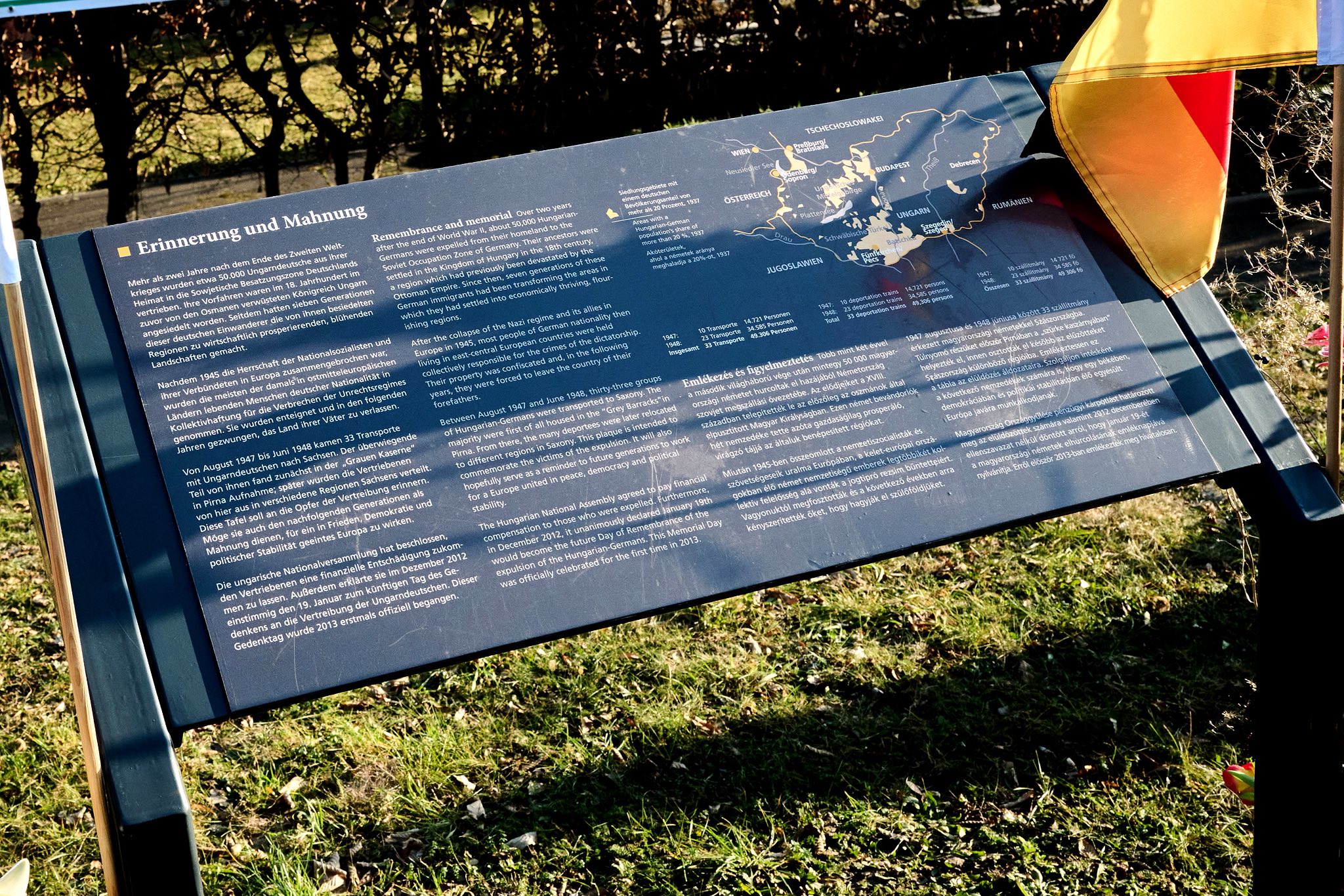
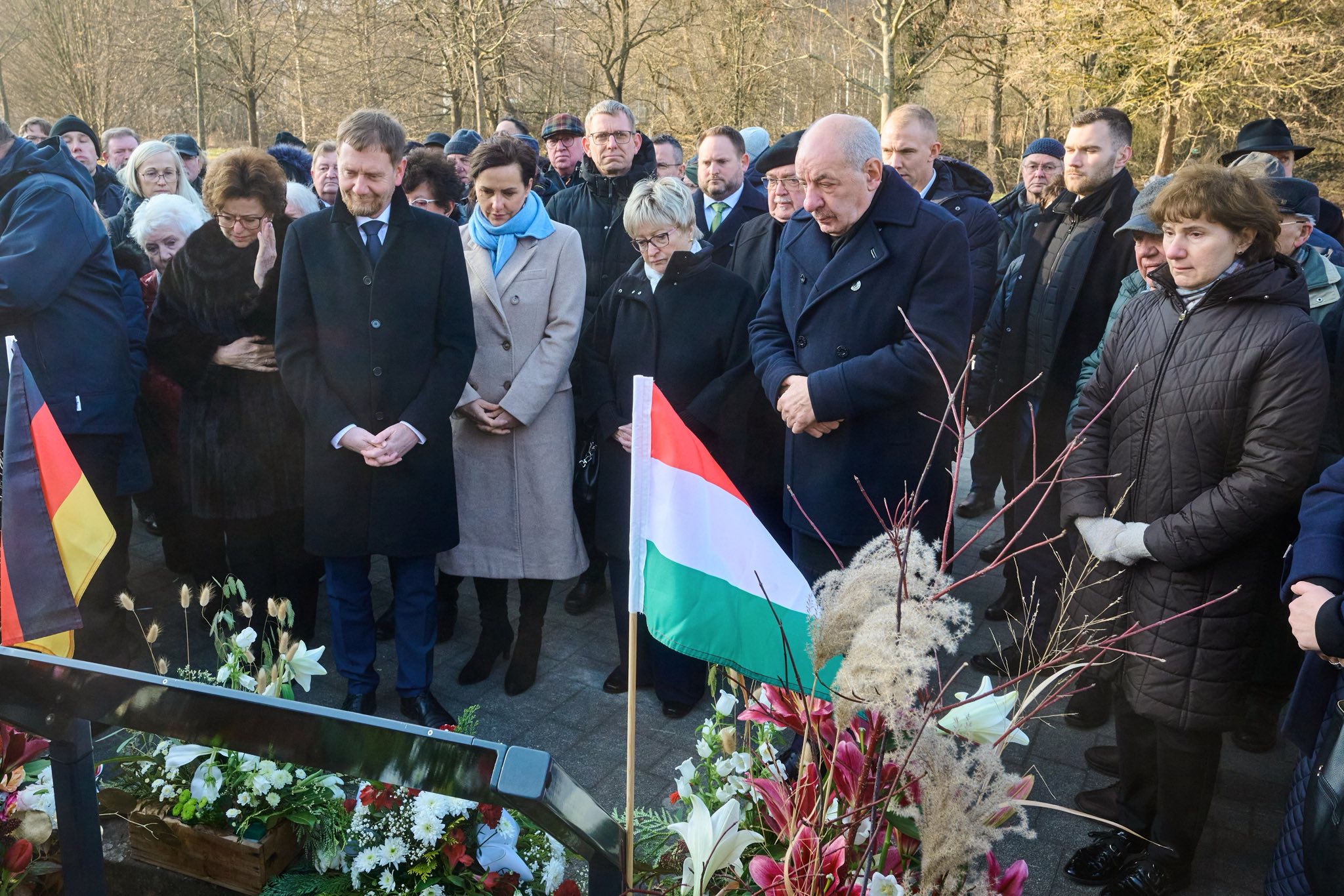
Dr. Tamás Sulyok and Michael Kretschmer also visited the "grey barracks", where the Swabians who were displaced to Germany were first housed. The President of Hungary and the Prime Minister of Saxony laid flowers at the memorial commemorating the fate of the Germans expelled from Hungary in 1946.