









Working visit of President Dr. Tamás Sulyok to Scotland
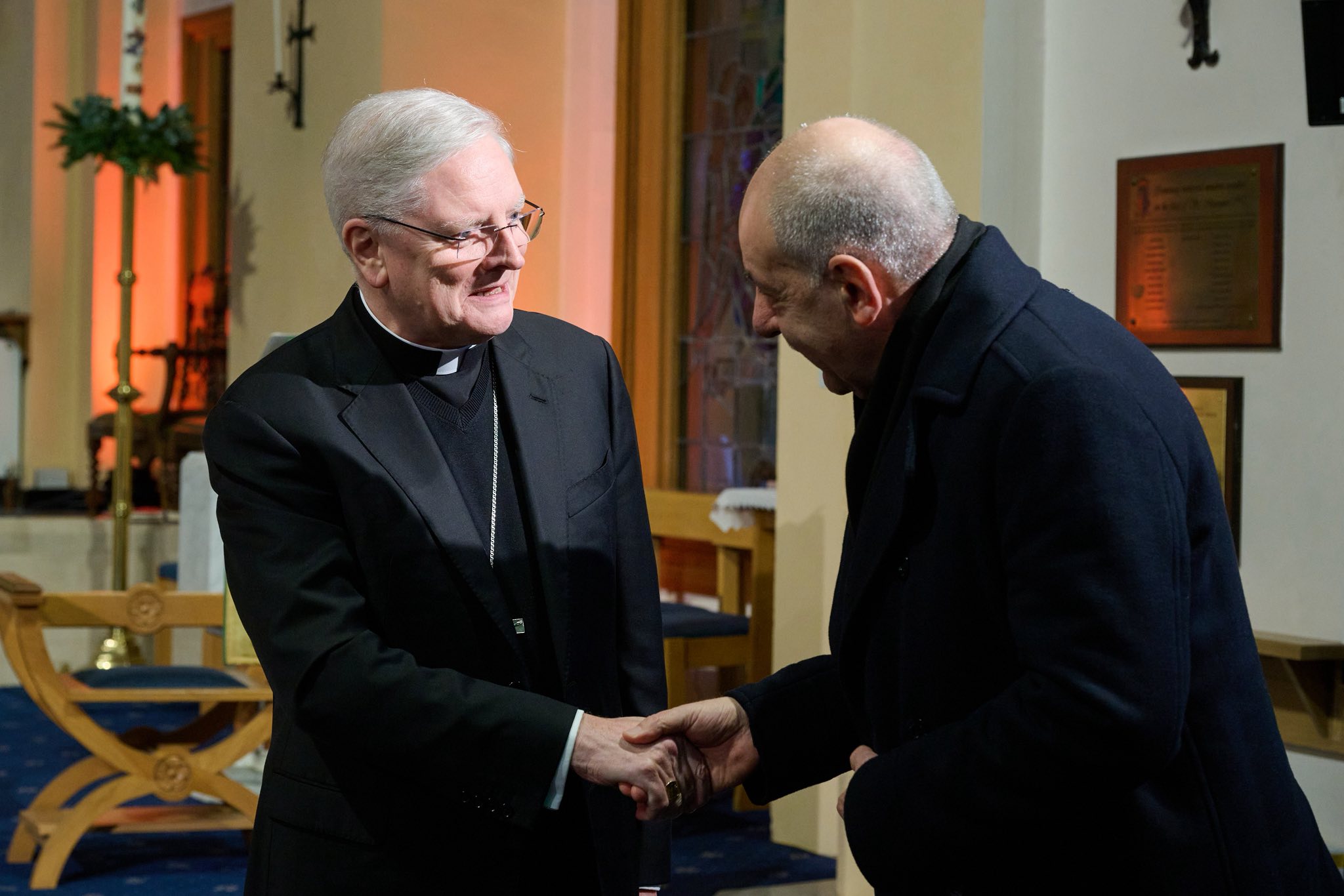
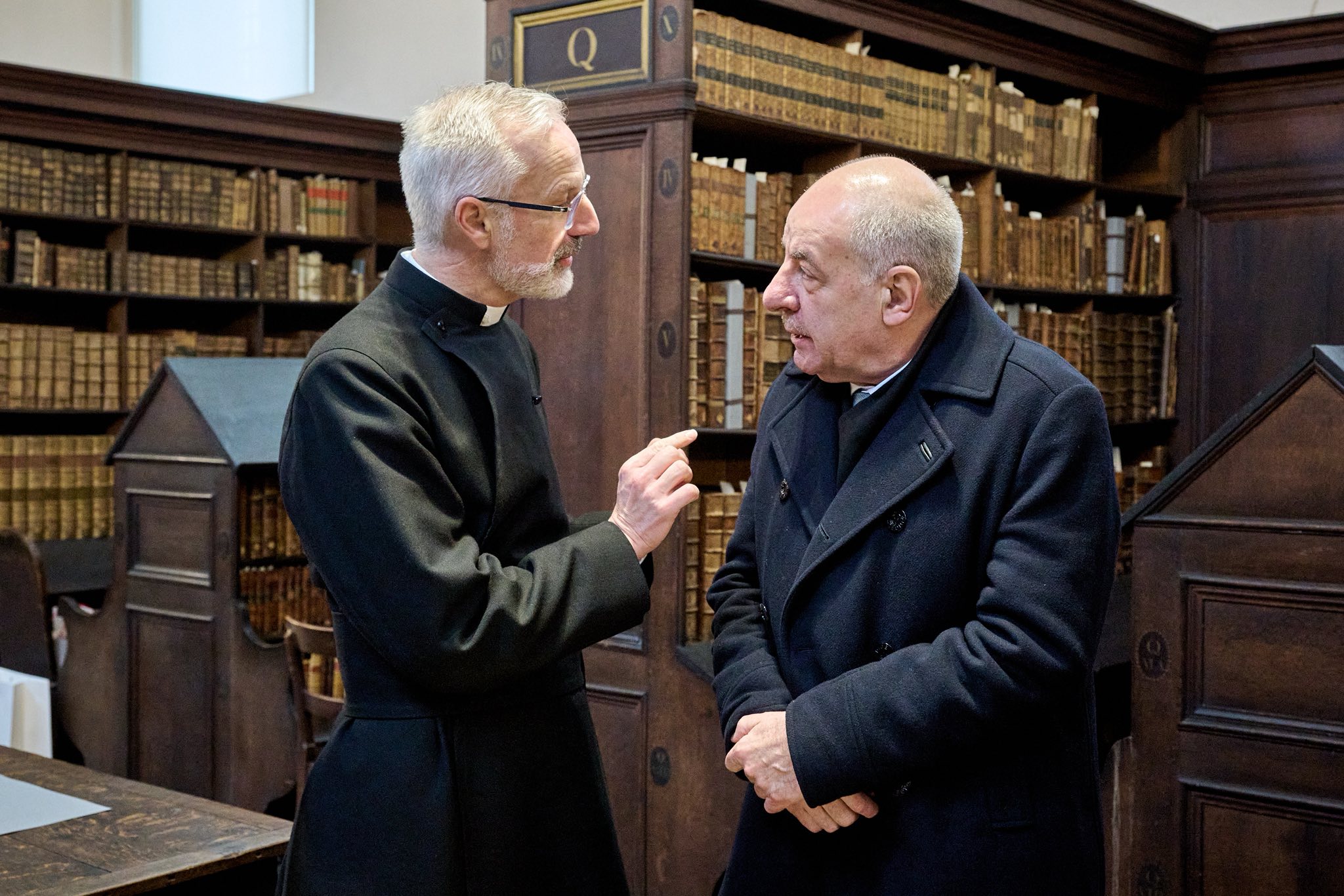
President Dr. Tamás Sulyok paid a working visit to Scotland, which focused on meeting with Hungarians living abroad, strengthening scientific cooperation and cultivating shared historical memory.
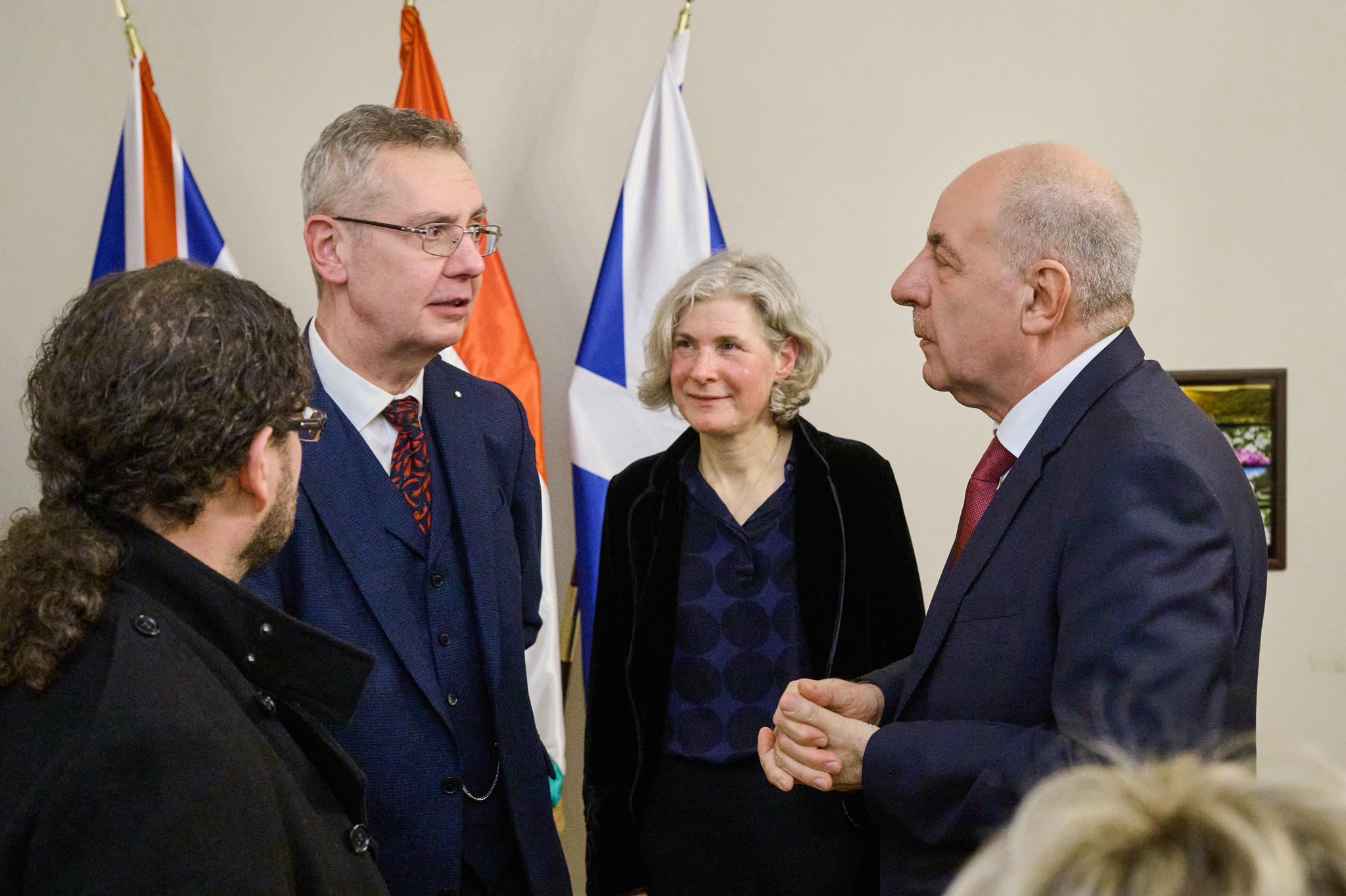
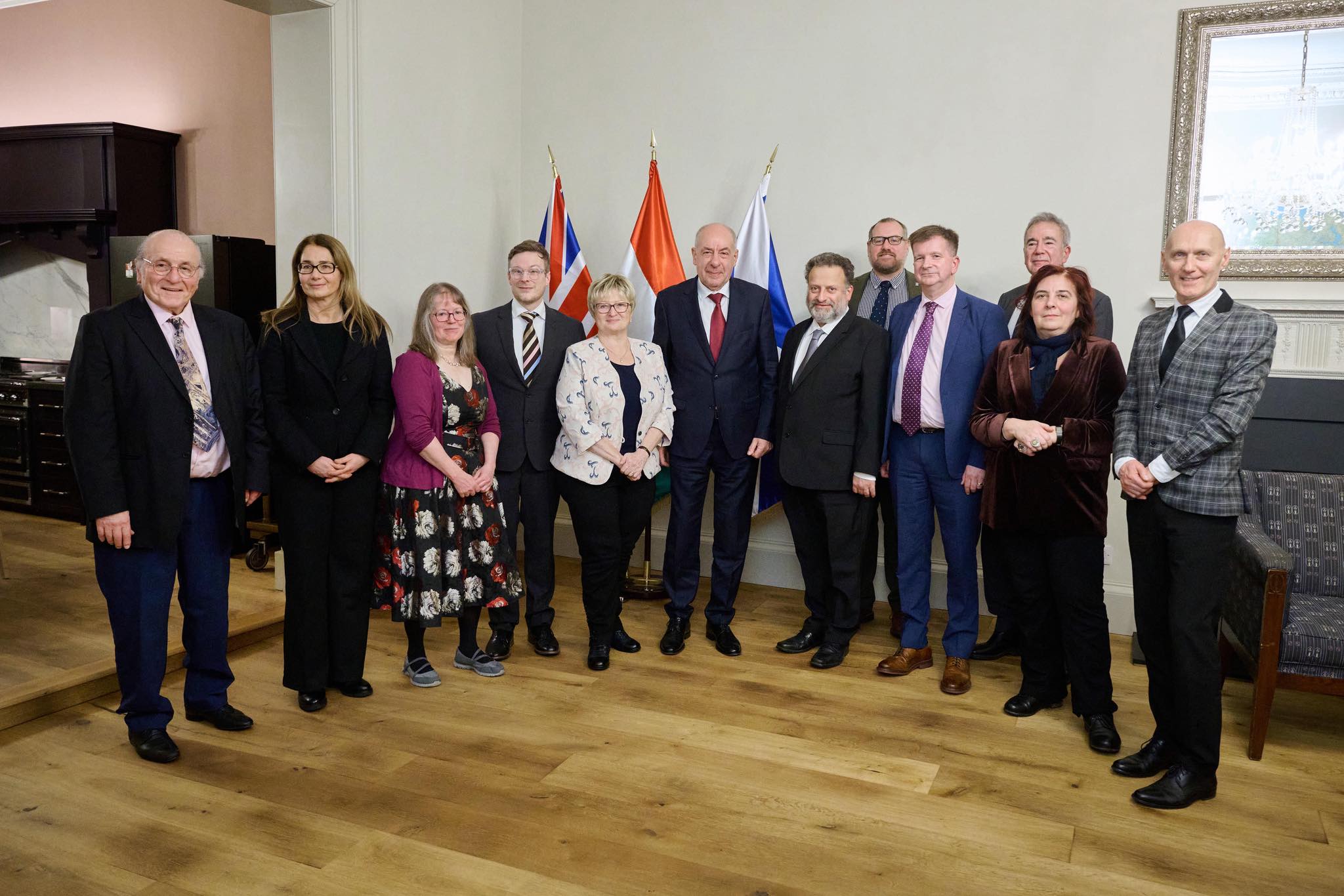
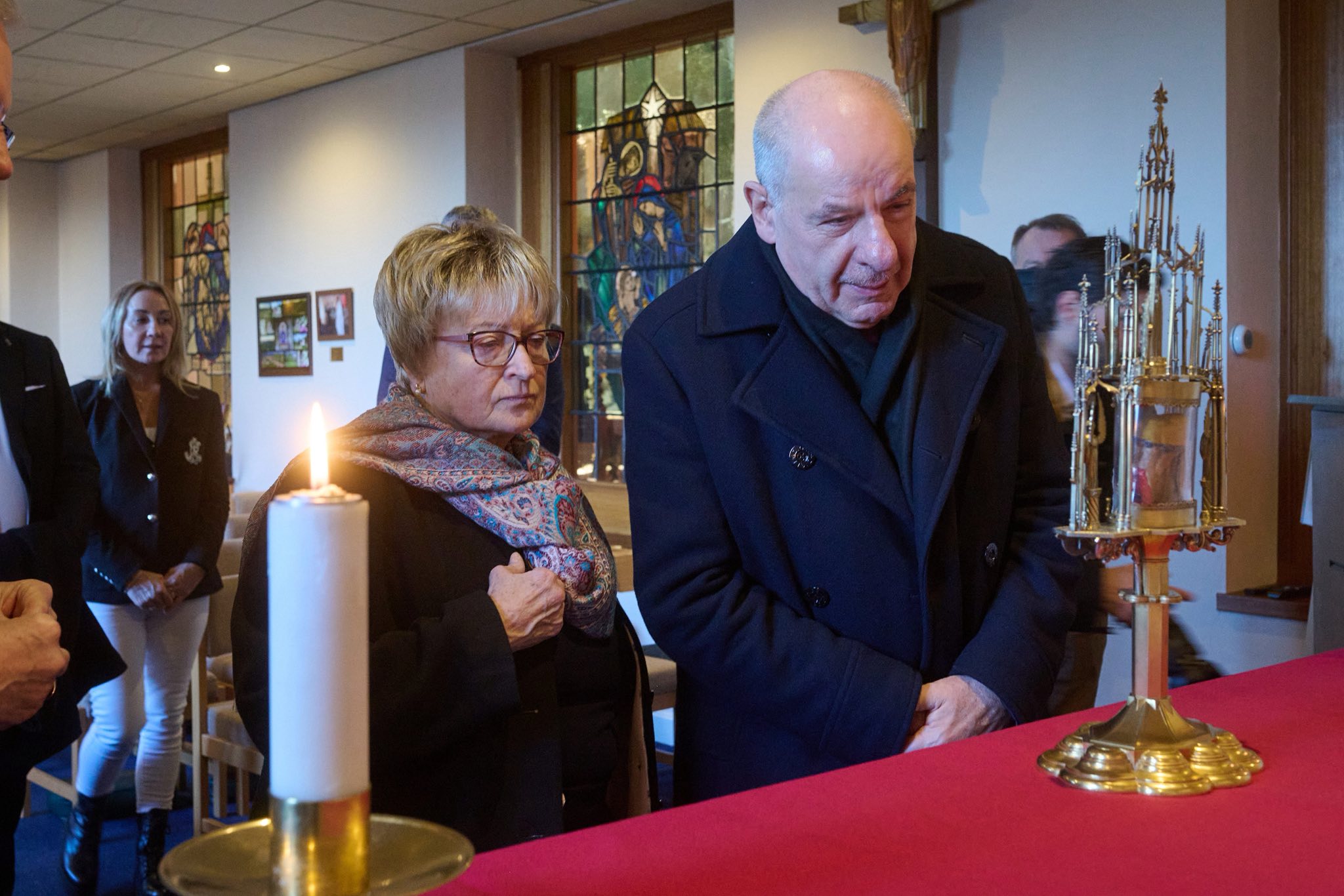
In Edinburgh, the Head of State met with members of the local Hungarian Diaspora. In his speech, he emphasised that he considers it one of his most important missions to reach out to and advocate for Hungarians living beyond the borders, who, although far from their homeland, have preserved their identity and their sense of belonging to the 15 million-strong Hungarian nation. The President of Hungary spoke with appreciation of those who organise programmes and schools or work as university lecturers and actively contribute to the transmission and promotion of Hungarian culture in Scotland. During his visit, the Head of State also visited the Scottish-Hungarian Scientific Society, founded in 2024, which aims to deepen cooperation between the Hungarian and Scottish scientific communities.
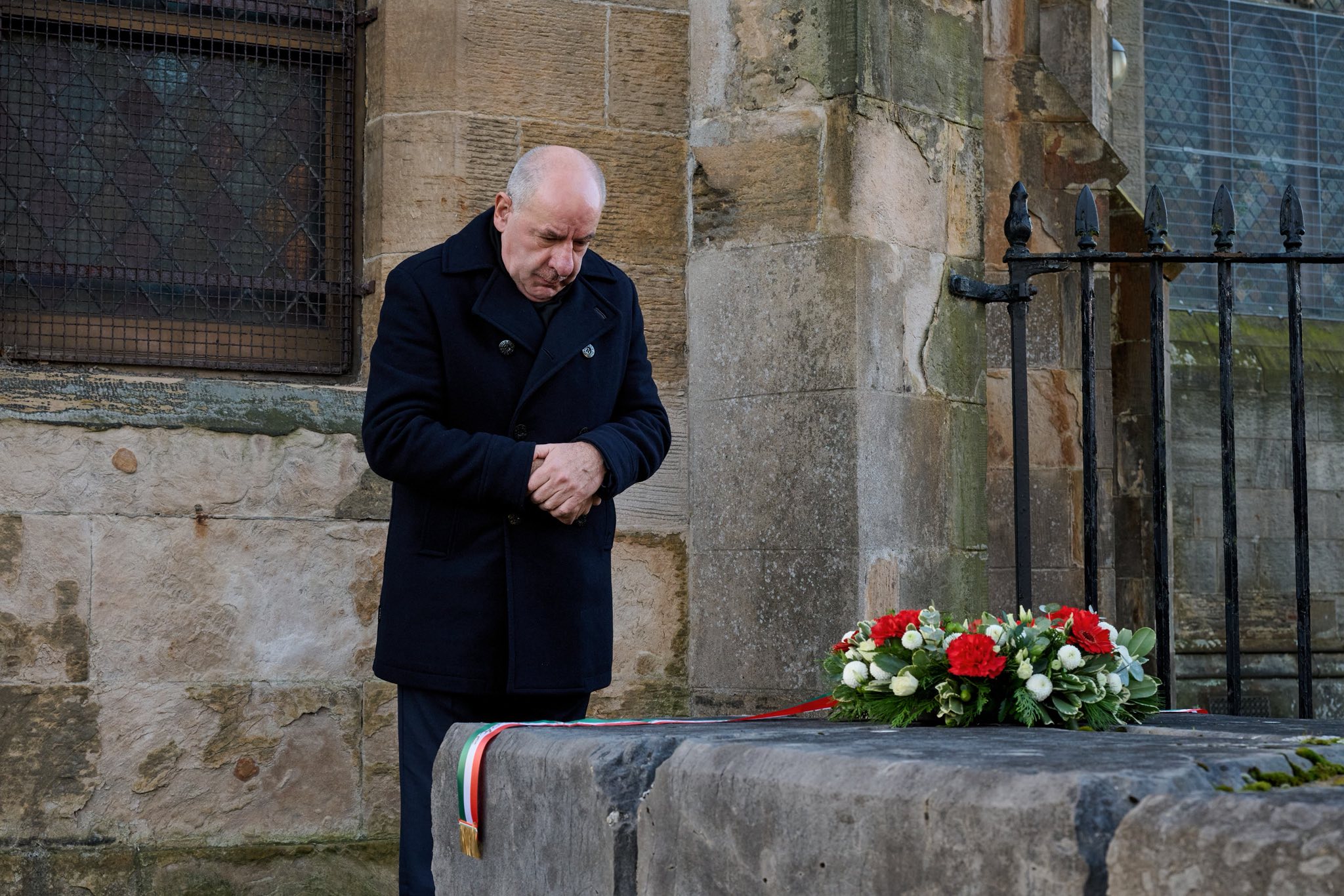
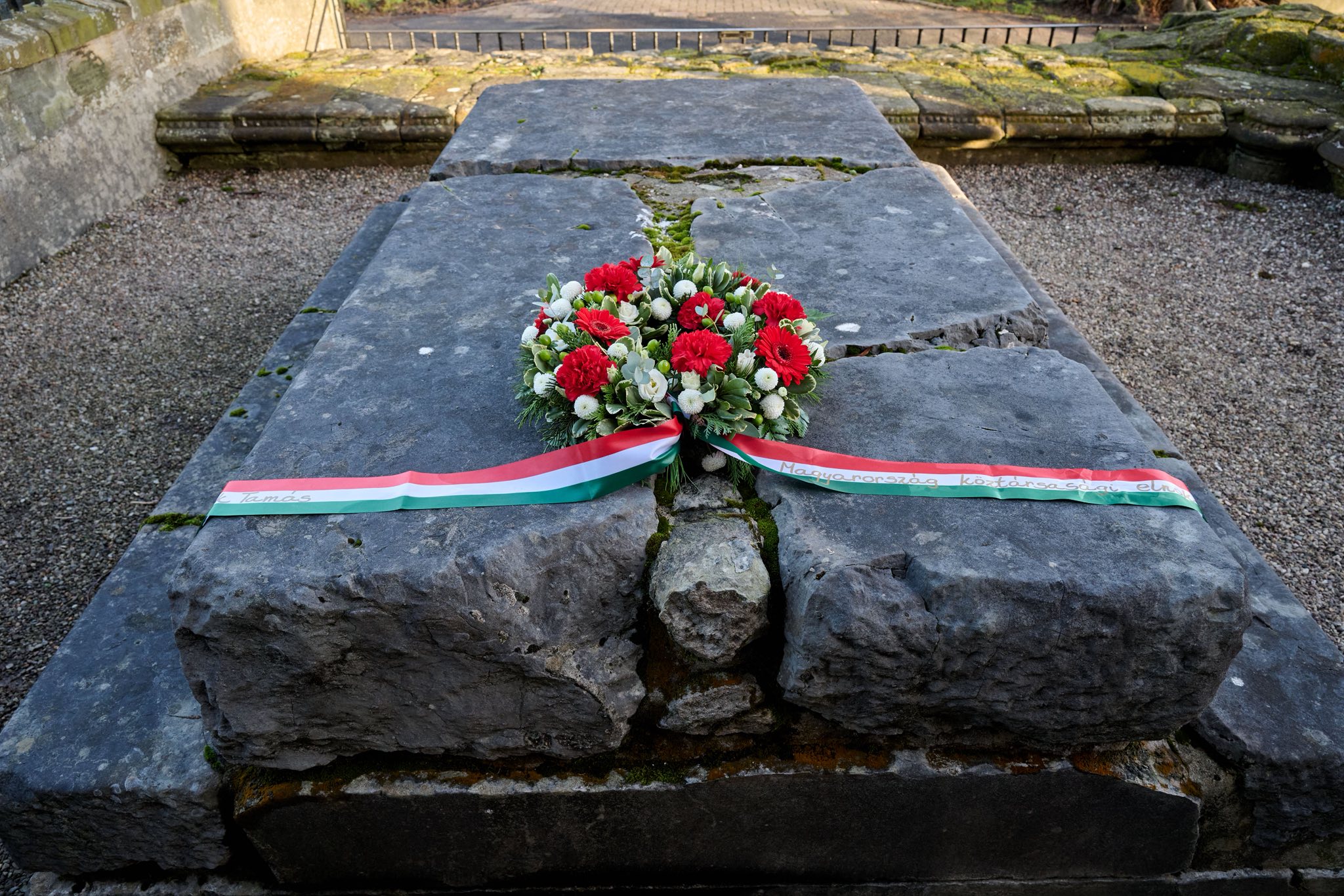
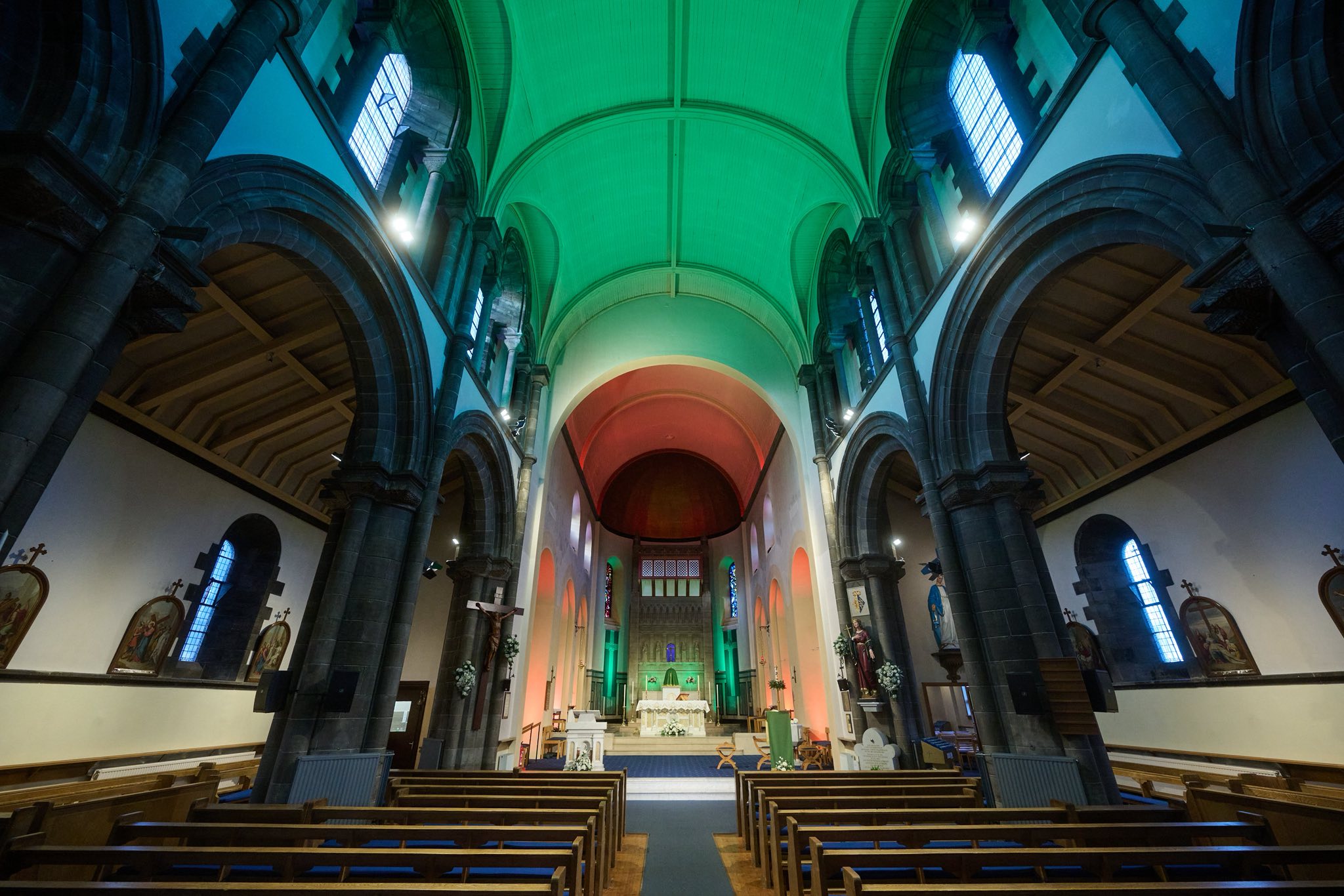
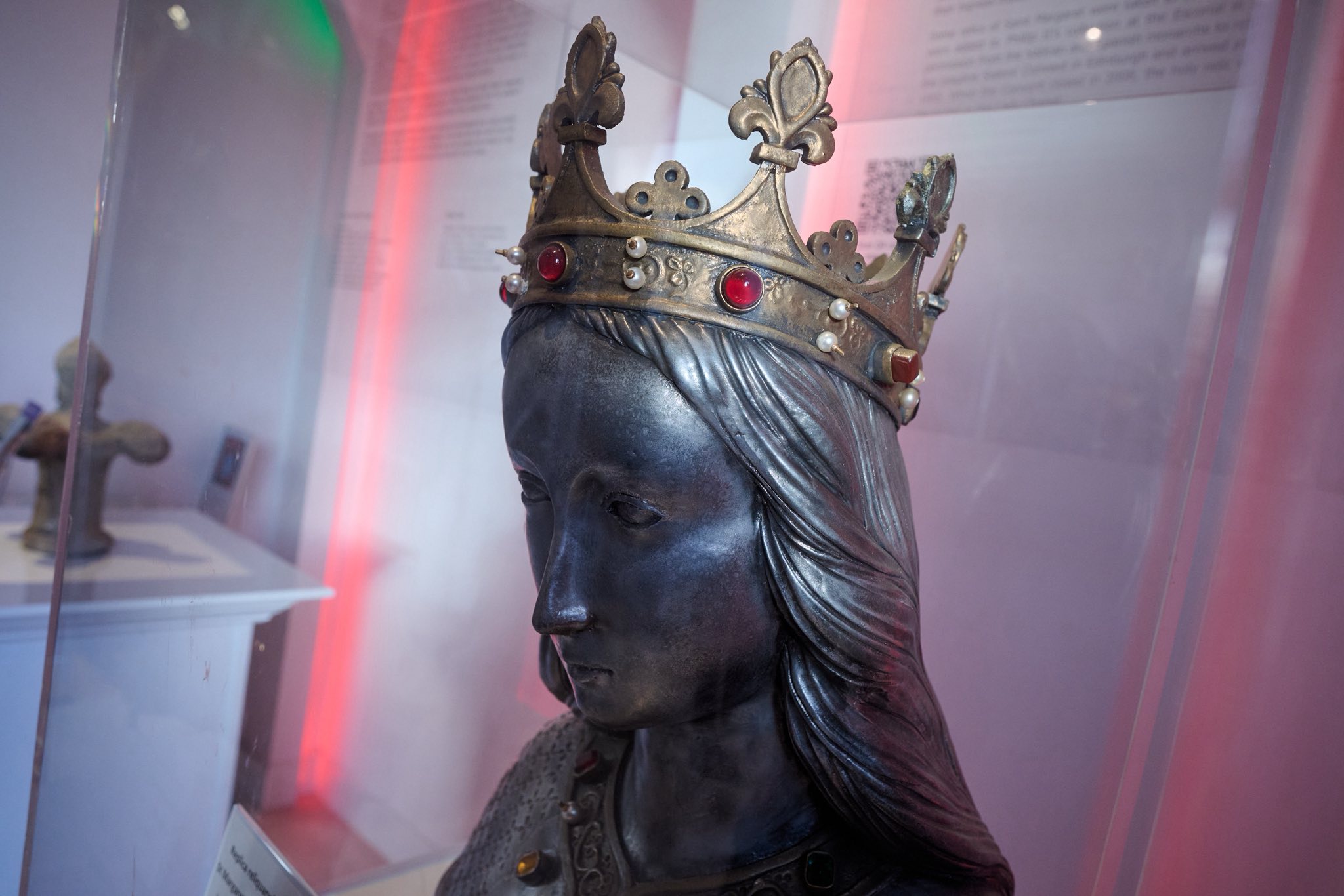
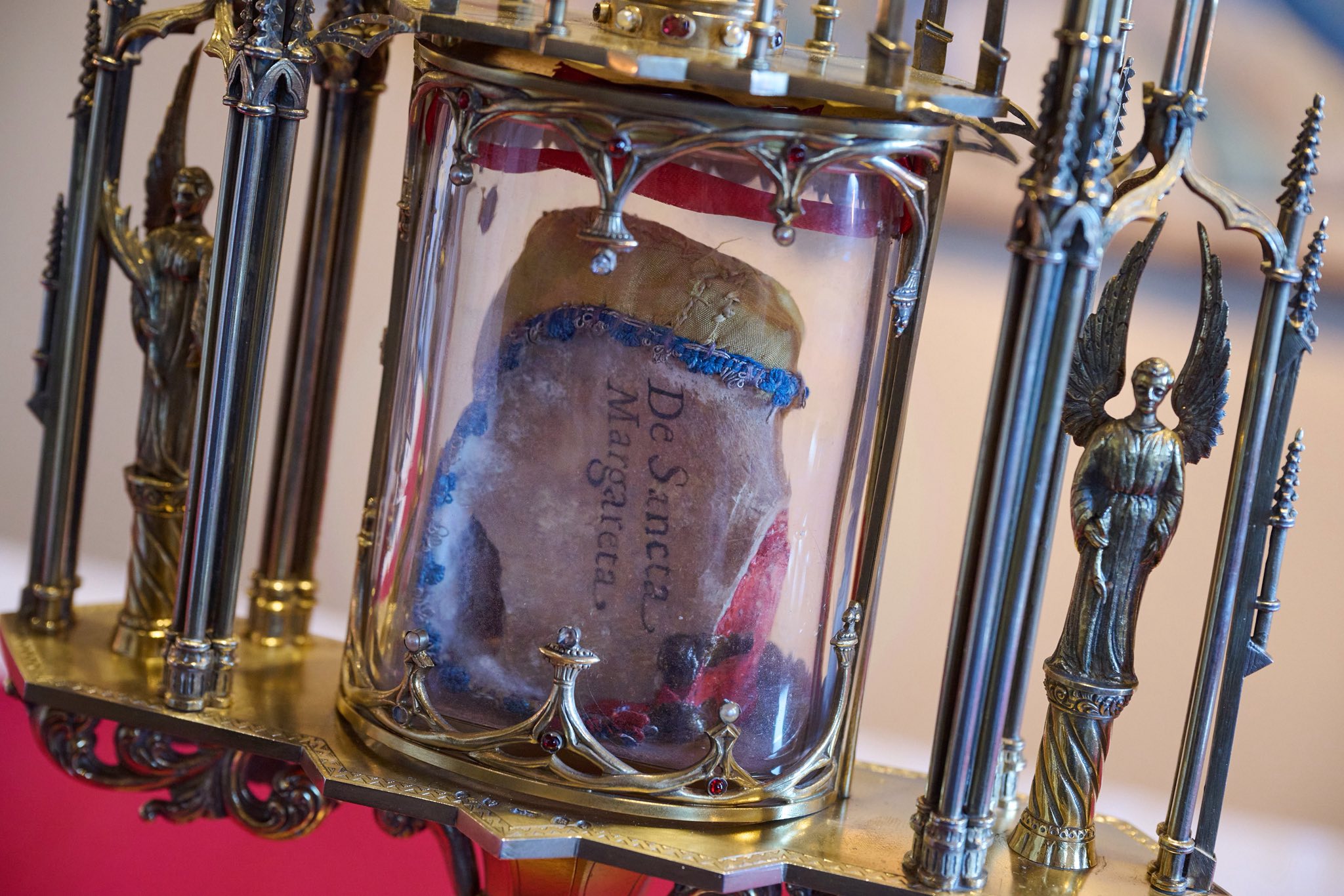
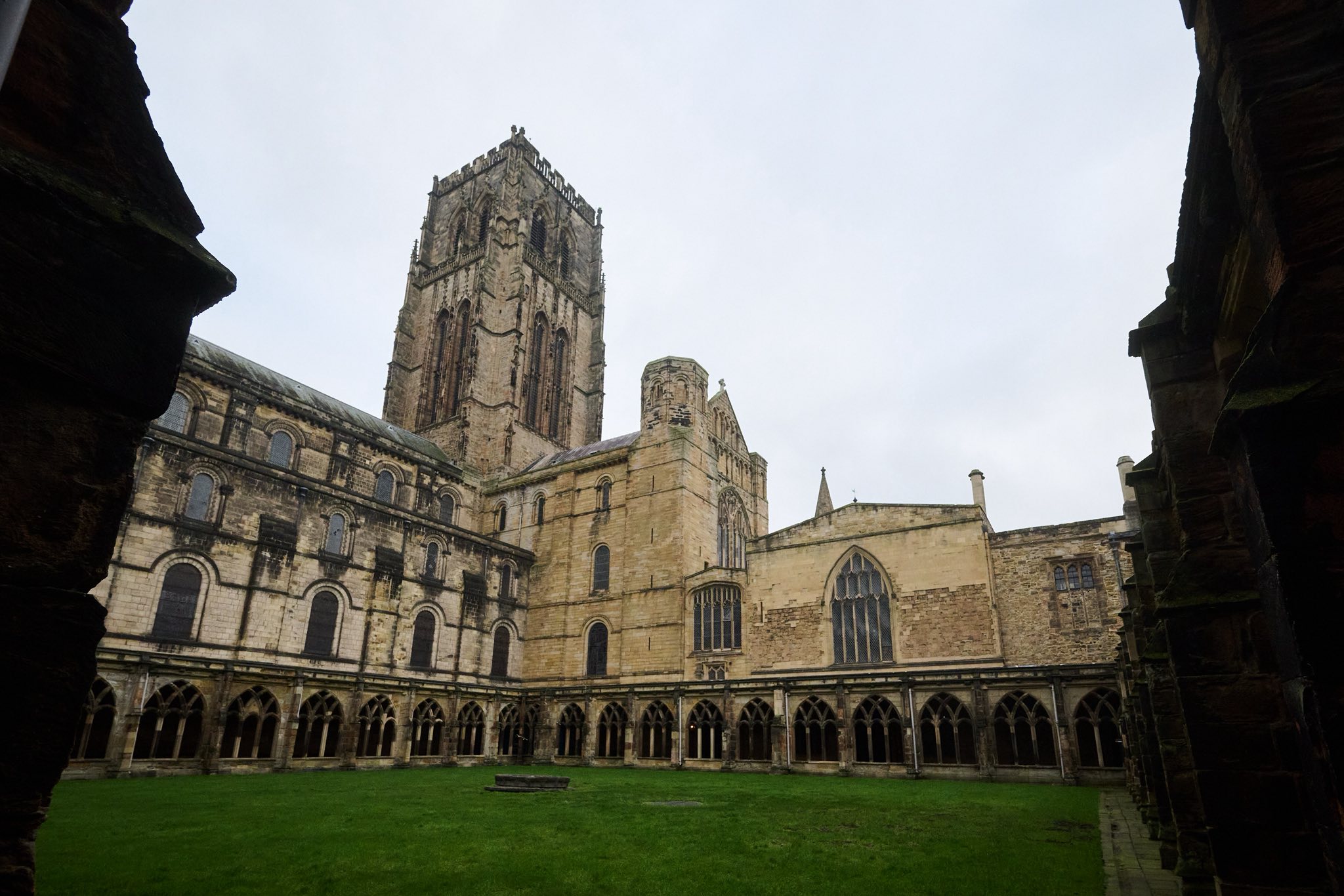
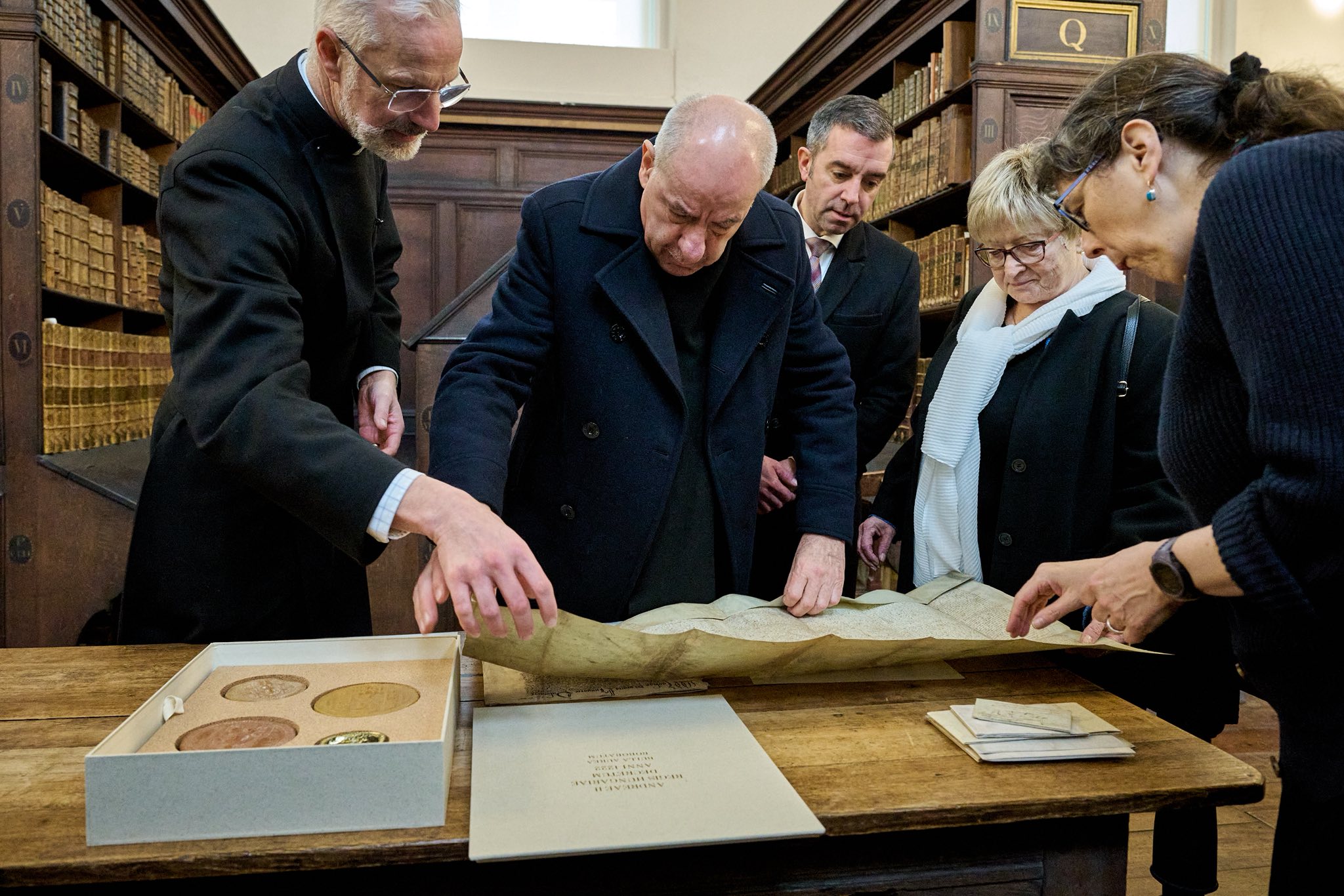
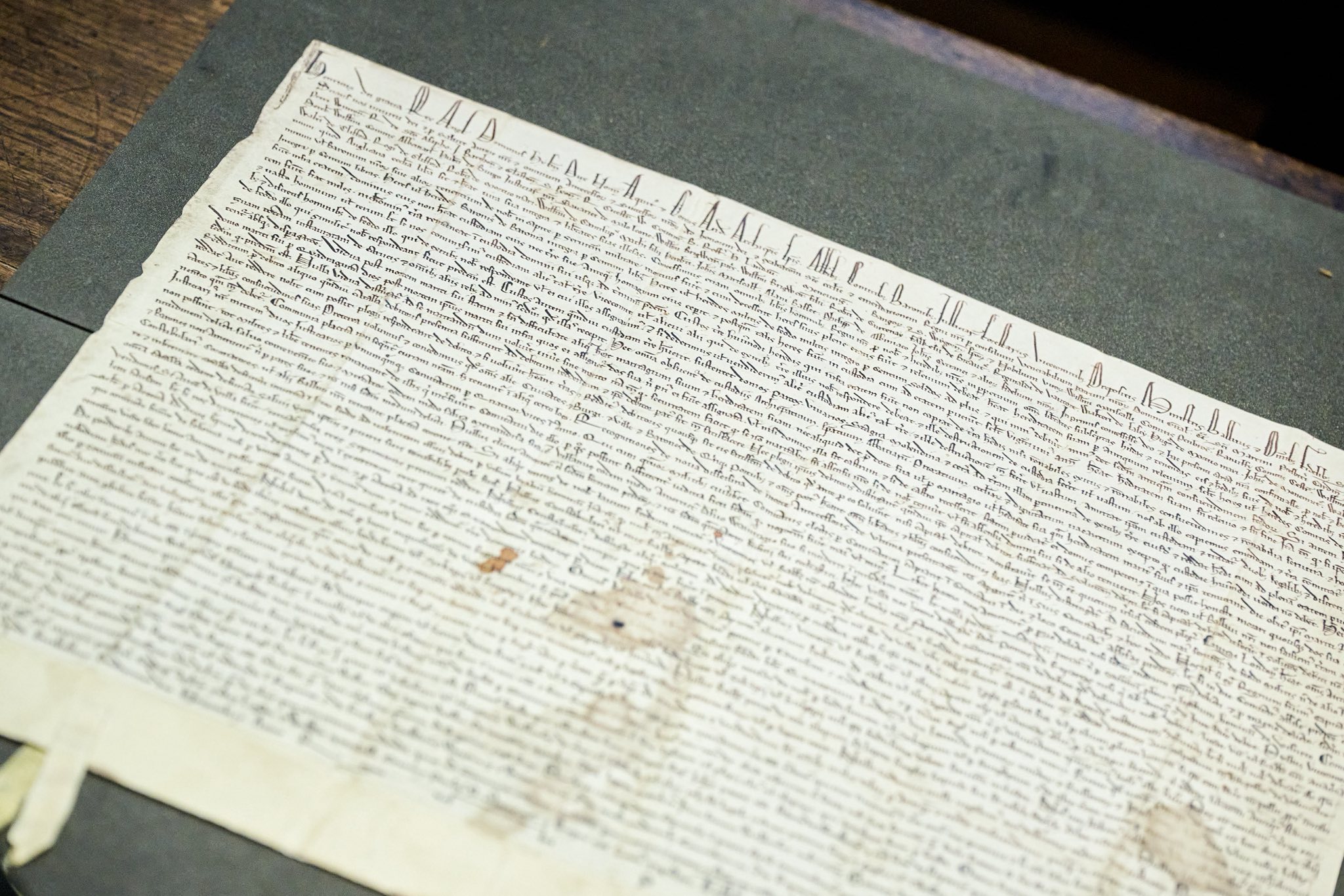
In Dunfermline, Scotland, the President paid his respects at the tomb of St. Margaret, Queen of Scotland, who was of English and Hungarian royal descent, born on Hungarian soil and was later canonised. In Durham, the Head of State viewed an authentic 13th-century copy of the Magna Carta. The Hungarian Head of State emphasised that the Magna Carta and the Golden Bull issued by Andrew II in 1222 are of constitutional significance, as both nations consider them to be their first constitutional documents. Dr. Tamás Sulyok recalled the statement made by József Antall, the first democratically elected Hungarian Prime Minister, in connection with the Golden Bull: "The Hungarian people have in their very blood the spirit of what we today call constitutional order".
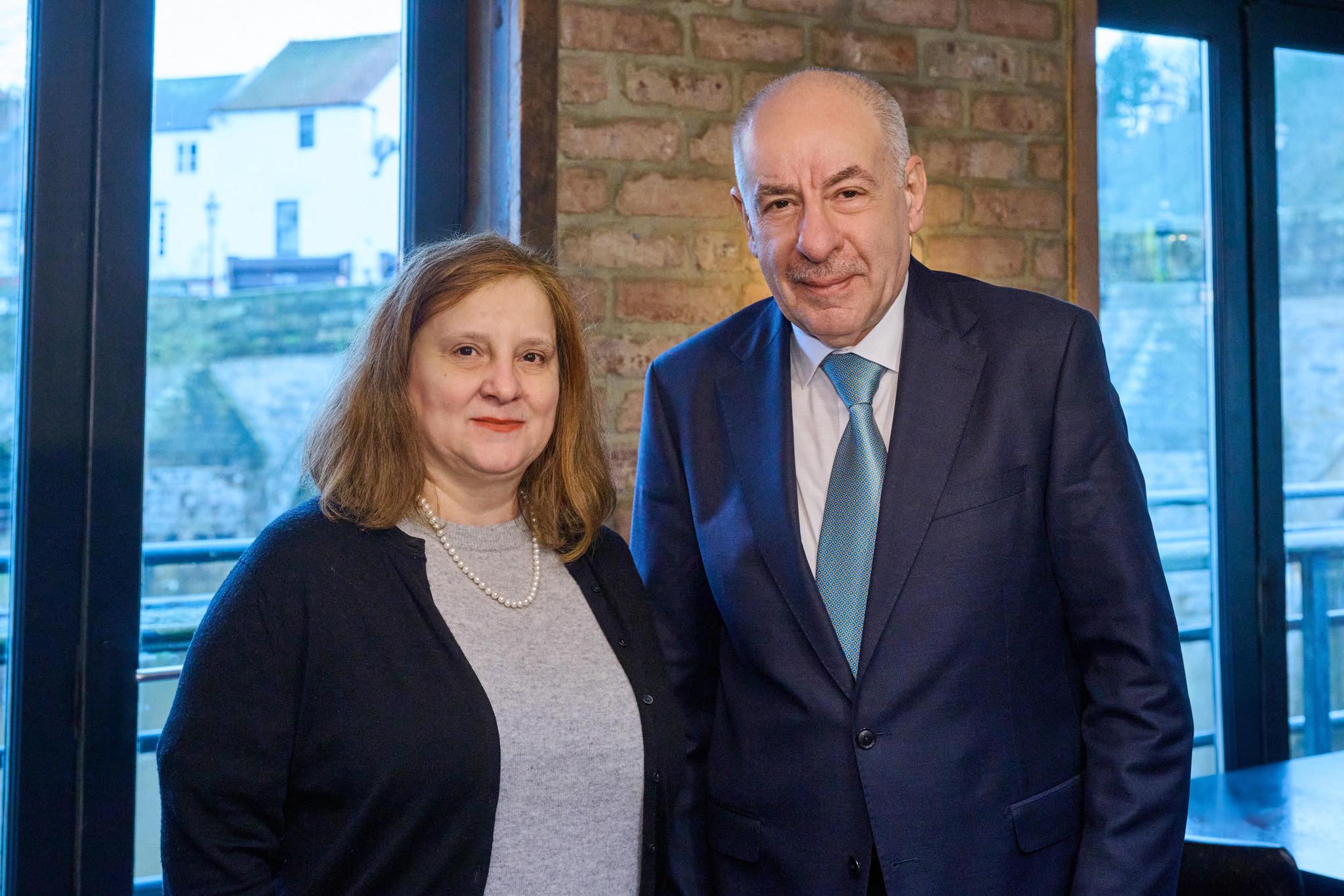
President Sulyok also held talks with Éva Norton, President of the National Federation of Hungarians in the UK, with whom he discussed the most important issues affecting the Hungarian community in the British Isles.
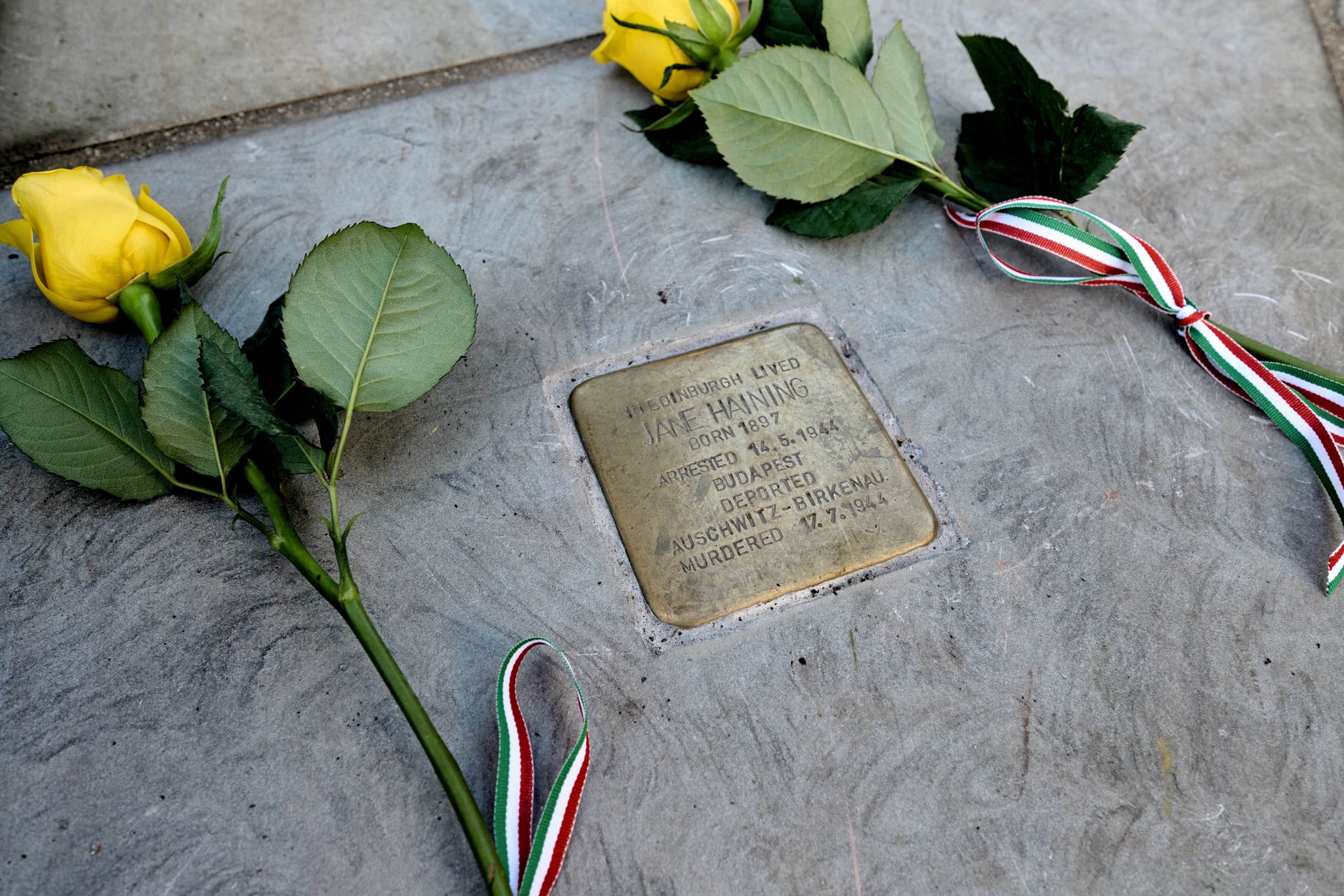
During his working visit to Edinburgh, Tamás Sulyok paid tribute to the memory of Scottish missionary Jane Haining, accompanied by Scottish Minister Angus Robertson and Edward Green, leader of the local Jewish community. As a member of the Church of Scotland, Jane Haining ran a 400-student boarding school in Budapest from 1932, where she provided refuge for children persecuted for religious and political reasons after the outbreak of World War II. Following Hungary’s occupation by Germany in the spring of 1944, she was arrested and deported to Auschwitz, where she lost her life.
The President's visit reinforced Hungarian-Scottish historical and cultural ties and emphasised the importance of Hungarian communities abroad in preserving national identity.